Featured partner
Recommended for Brighton

ROAVR Group
Tree, ecology, flood risk and topographical surveys for planning applications.
4.9 Google rating
Get a quote
Local experts.
Featured partner
Recommended for Brighton
Tree, ecology, flood risk and topographical surveys for planning applications.
4.9 Google rating
Local experts.
Environmental and ecological consultancy whose own contact page publishes its head…
Independent ecological consultancy whose own site publishes a trading address at The…
Chartered landscape, ecology and arboricultural consultancy established in Worthing in…
A bat survey in Brighton is often needed where work could affect the Old Town Conservation Area, or the Valley Gardens Conservation Area. Brighton and Hove City Council is the local planning authority. Buildings, trees and habitats in the Old Town Conservation Area and at the Valley Gardens Conservation Area can support roosting or commuting bats. Policy CP10 is the adopted strategic policy for conserving and enhancing biodiversity. The council applies the statutory 10 per cent minimum. It is a historic coastal city around the Old Town Conservation Area and the Valley Gardens Conservation Area, quite unlike Hove to the west, which is shaped by the Brunswick Town Conservation Area and The Avenues Conservation Area. Confirm the current validation requirements with the council before submitting.
Local planning authority: Brighton and Hove City Council
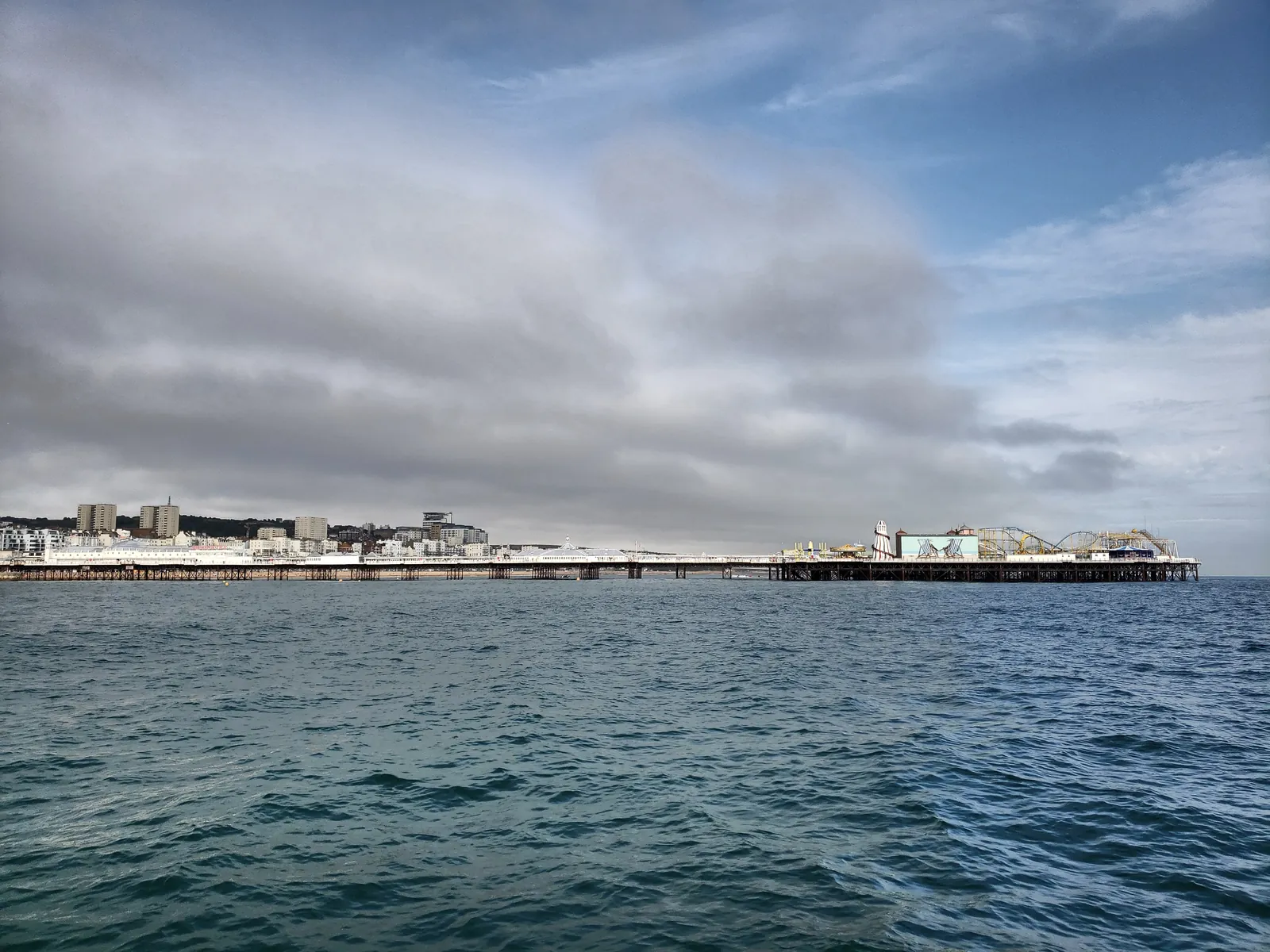
Brighton is in the area of Brighton and Hove City Council. It is a historic coastal city around the Old Town Conservation Area and the Valley Gardens Conservation Area, quite unlike Hove to the west, which is shaped by the Brunswick Town Conservation Area and The Avenues Conservation Area. The adopted City Plan Part One and City Plan Part Two applies here. The Old Town Conservation Area and the Valley Gardens Conservation Area are the official features that shape bat survey work here. Brighton and Hove City Council is the Lead Local Flood Authority. There is no confirmed 2027 successor council for Brighton and Hove.
In Brighton, including around the Old Town Conservation Area and at the Valley Gardens Conservation Area, the same adopted local plan policies apply. Brighton and Hove City Council assesses protected species, including bats, under Policy CP10 of the City Plan Part One and City Plan Part Two. Policy CP10 is the adopted strategic policy for conserving and enhancing biodiversity. The council applies the statutory 10 per cent minimum. Confirm the current validation requirements with the council before submitting.
Local plan: Brighton & Hove City Plan Part One and City Plan Part Two (City Plan Part One, adopted on 24 March 2016, and City Plan Part Two, adopted on 20 October 2022, are the statutory local plan as of 15 November 2026. The council is preparing a new City Plan to 2044, officially expected to be adopted in 2029, and states that the current City Plan Part One and Part Two remain in effect until then.)
DM37: Green Infrastructure and Nature Conservation
Policy DM37 (Green Infrastructure and Nature Conservation) of the Brighton & Hove City Plan Part Two, adopted on 20 October 2022, is the adopted development-management policy for green infrastructure and nature conservation, and supports a net gain in biodiversity. The policy does not set a higher than statutory biodiversity net gain percentage.
CP10: Biodiversity
Policy CP10 (Biodiversity) of the Brighton & Hove City Plan Part One, adopted on 24 March 2016, is the adopted strategic policy for conserving and enhancing biodiversity. The policy does not set a higher than statutory biodiversity net gain percentage. Brighton and Hove City Council applies the statutory 10 per cent minimum.
General guidance for bat survey, not formal advice for your site.
Brighton and Hove City Council. Brighton and Hove City Council is the Lead Local Flood Authority. There is no confirmed 2027 successor council for Brighton and Hove.
A bat survey in Brighton is often needed where buildings, trees or habitats in the Old Town Conservation Area or at the Valley Gardens Conservation Area could be affected by development. Confirm the current validation requirements with the council.
They can. Roosting and commuting bats may use buildings, trees and habitats in the Old Town Conservation Area and at the Valley Gardens Conservation Area. Confirm the current validation requirements with the council.