Featured partner
Recommended for Chertsey

ROAVR Group
Tree, ecology, flood risk and topographical surveys for planning applications.
4.9 Google rating
Get a quote
Local experts.
Featured partner
Recommended for Chertsey
Tree, ecology, flood risk and topographical surveys for planning applications.
4.9 Google rating
Local experts.
Environmental consultancy founded in 2004, with its head office on the Surrey Research…
Multi-disciplinary practice founded in 1985, offering arboriculture, ecology, landscape…
Independent ecology consultancy with its head office in Leatherhead, Surrey.
Independent ecological consultancy with a Surrey office near Farnham, plus offices in…
Older buildings in the Chertsey Conservation Area, and mature trees along the River Thames and at Chertsey Meads, are typical starting points for a bat survey in Chertsey. The local planning authority is Runnymede Borough Council. Policy EE9 of the Runnymede 2030 Local Plan, adopted on 16 July 2020, assesses effects on protected and priority species. A preliminary appraisal should establish whether emergence, re-entry or activity surveys are needed on the site, including any Metropolitan Green Belt tree lines around the town.
Local planning authority: Runnymede Borough Council
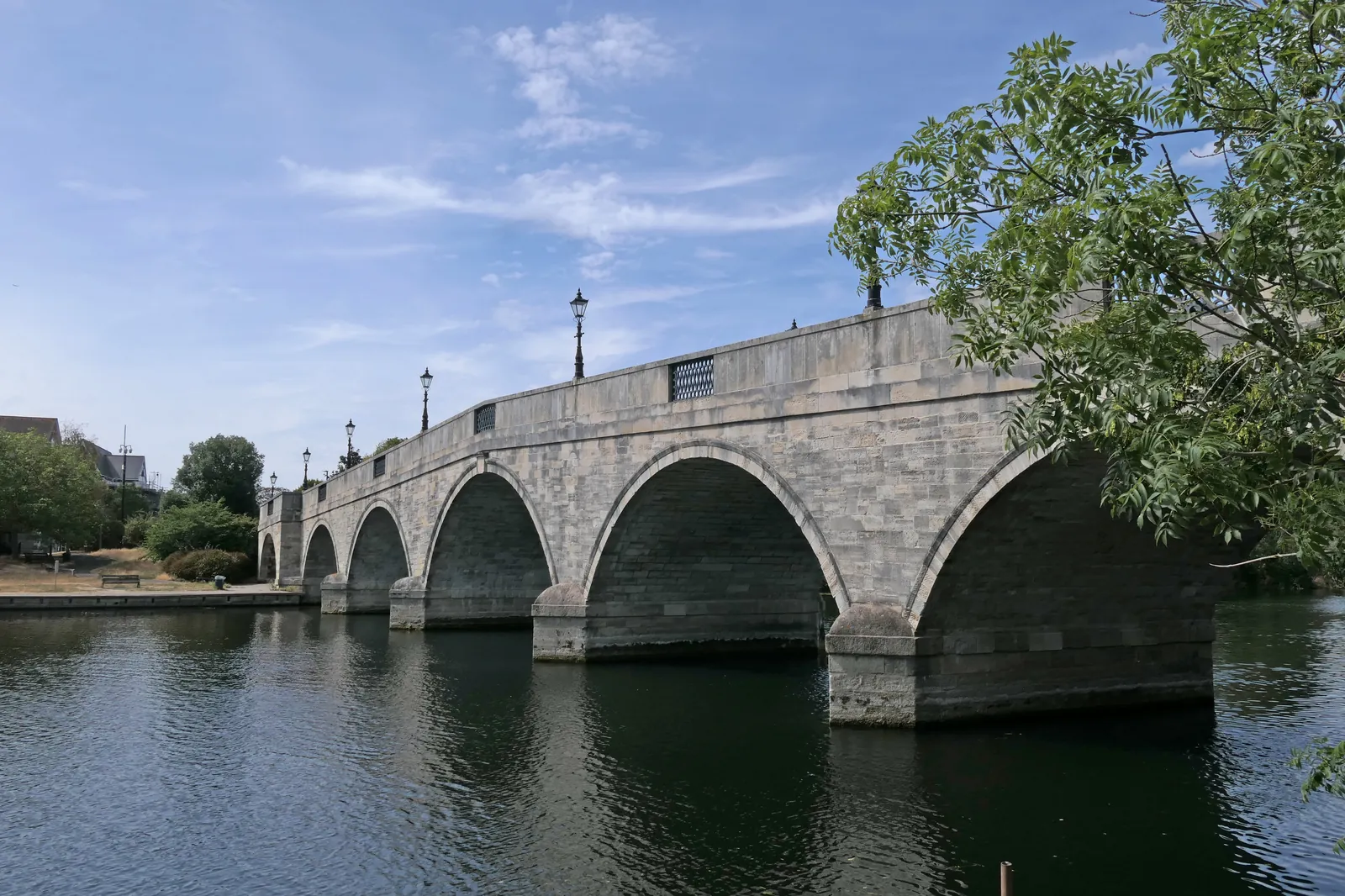
Bats may roost in older fabric in the Chertsey Conservation Area, including around Guildford Street, London Street, Windsor Street and the abbey remains, and may commute along the River Thames and at Chertsey Meads. Metropolitan Green Belt tree lines may also be relevant. Surveys should follow current good practice and be coordinated with any tree survey.
Runnymede Borough Council assesses effects on bats as protected and priority species under Policy EE9 of the Runnymede 2030 Local Plan, adopted on 16 July 2020. Confirm the current validation requirements with the council before submitting.
Local plan: Runnymede 2030 Local Plan (Adopted on 16 July 2020 and still in force. The council adopted a timetable for a new Local Plan on 25 February 2026, with issues and options scoping consultation from 7 September to 12 October 2026; the new plan had not been adopted as of 13 November 2026.)
EE10: Thames Basin Heaths Special Protection Area
No additional residential development within 400 m of the SPA. Non-residential development within 400 m may require Appropriate Assessment. All additional residential development beyond 400 m but within 5 km must provide adequate avoidance measures, generally SANG and SAMM.
EE12: Blue Infrastructure
Protects and enhances rivers and other waterbodies, including buffers, deculverting and fish passage, and requires SuDS designs to take account of wildlife.
EE1: Townscape and Landscape Quality
Requires development to respect and enhance townscape and landscape quality, including the setting of the River Thames and historic landscapes around Egham.
General guidance for bat survey, not formal advice for your site.
Runnymede Borough Council. From 1 April 2027 planning powers pass to the new West Surrey unitary council under local government reorganisation.
Where buildings, mature trees or commuting habitat could be affected, Policy EE9 and protected-species law make a bat survey likely. Confirm the current validation requirements with the council.
They can. Mature trees and older buildings in the Chertsey Conservation Area, and the River Thames corridor at Chertsey Meads, may support roosts or commuting routes. Policy EE9 applies.