Featured partner
Recommended for Chichester

ROAVR Group
Tree, ecology, flood risk and topographical surveys for planning applications.
4.9 Google rating
Get a quote
Local experts.
Featured partner
Recommended for Chichester
Tree, ecology, flood risk and topographical surveys for planning applications.
4.9 Google rating
Local experts.
Ecological consultancy whose own contact page publishes a Sussex headquarters at Unit 4,…
Chartered landscape, ecology and arboricultural consultancy established in Worthing in…
Bat surveys in Chichester are often needed where buildings or trees in the Chichester Conservation Area, or at Chichester Canal, could support roosts or foraging. Chichester District Council is the local planning authority. A preliminary roost assessment is the usual first step, with further activity surveys where they are needed. Older buildings and mature trees in the Chichester Conservation Area and at Chichester Canal can provide roosting or commuting habitat. It is the cathedral city around the Chichester Conservation Area, which includes the Roman town, the city gates and the canal basin, and around Chichester Canal, quite unlike the coastal towns of the Arun district to the east. The adopted Chichester Local Plan 2021–2039 applies here; it excludes the South Downs National Park. Confirm the current validation requirements with the council before submitting.
Local planning authority: Chichester District Council
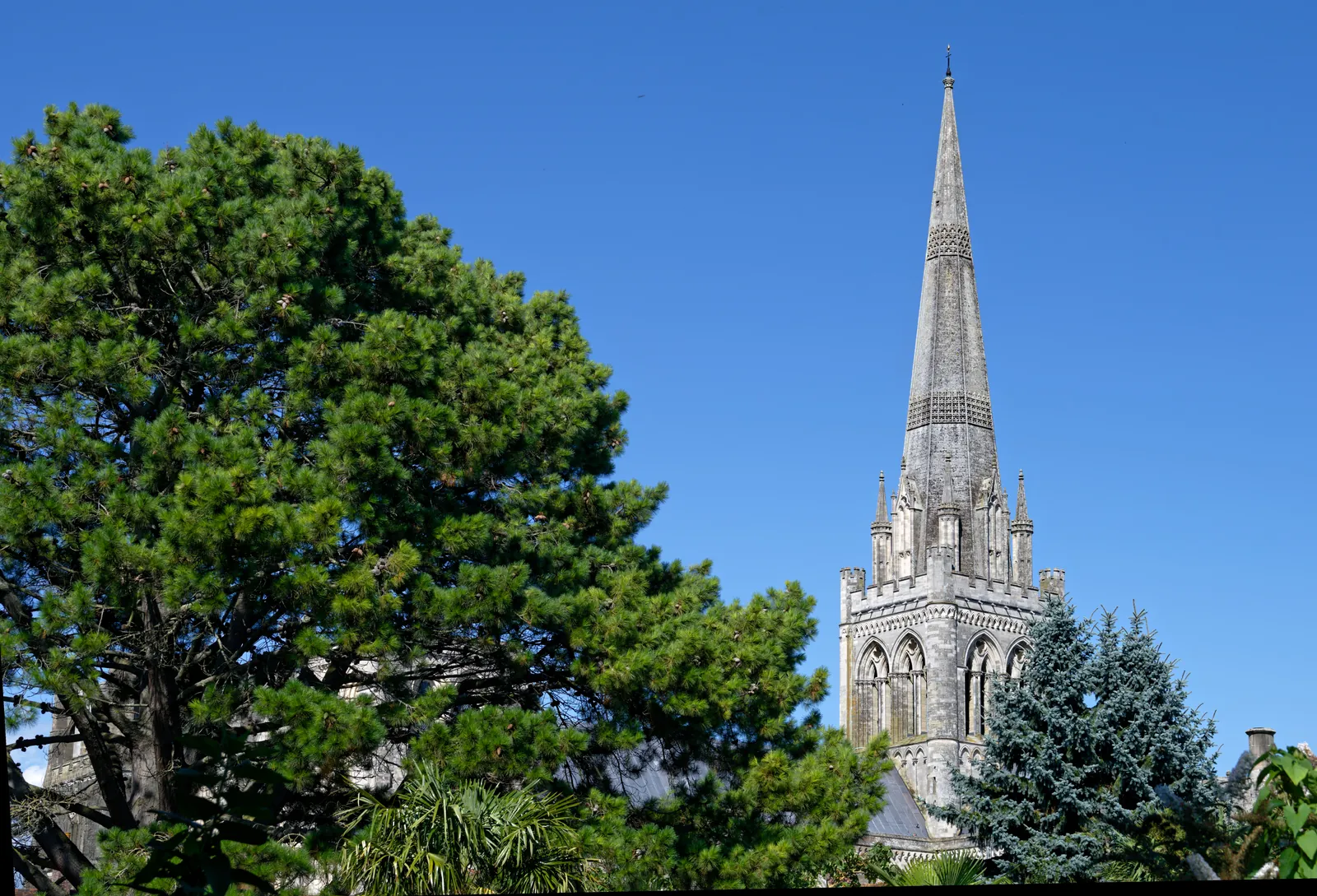
Chichester is in the area of Chichester District Council. It is the cathedral city around the Chichester Conservation Area, which includes the Roman town, the city gates and the canal basin, and around Chichester Canal, quite unlike the coastal towns of the Arun district to the east. The adopted Chichester Local Plan 2021–2039 applies here; it excludes the South Downs National Park. The Chichester Conservation Area and the Chichester Canal are the official features that shape bat survey work here. West Sussex County Council is the Lead Local Flood Authority. There is no confirmed 2027 successor council for West Sussex.
In Chichester, including around the Chichester Conservation Area and at Chichester Canal, the same adopted local plan policies apply. Chichester District Council assesses ecology and protected species under Policy NE5 of the Chichester Local Plan 2021–2039. Policy NE5 requires a minimum 10 per cent biodiversity net gain. That restates the statutory minimum and does not set a higher local percentage. Confirm the current validation requirements with the council before submitting.
Local plan: Chichester Local Plan 2021–2039 (The Chichester Local Plan 2021–2039, adopted on 19 August 2025, is the statutory local plan for the area of Chichester District Council outside the South Downs National Park as of 15 November 2026. The plan explicitly excludes the National Park, where the South Downs Local Plan applies and the South Downs National Park Authority is the local planning authority.)
NE5: Biodiversity and Biodiversity Net Gain
Policy NE5 (Biodiversity and Biodiversity Net Gain) of the Chichester Local Plan 2021–2039 requires a minimum 10 per cent biodiversity net gain. That restates the statutory minimum and does not set a higher local percentage.
General guidance for bat survey, not formal advice for your site.
Chichester District Council. West Sussex County Council is the Lead Local Flood Authority. There is no confirmed 2027 successor council for West Sussex.
Bat surveys in Chichester are often needed where buildings or trees in the Chichester Conservation Area, or at Chichester Canal, could support roosts or foraging. Confirm the current validation requirements with the council.
Policy NE5 requires a minimum 10 per cent biodiversity net gain. That restates the statutory minimum and does not set a higher local percentage. Confirm the current validation requirements with the council.
No other published town guides for this survey in the council area yet.