Featured partner
Recommended for Chiswick

ROAVR Group
Tree, ecology, flood risk and topographical surveys for planning applications.
4.9 Google rating
Get a quote
Local experts.
Featured partner
Recommended for Chiswick
Tree, ecology, flood risk and topographical surveys for planning applications.
4.9 Google rating
Local experts.
London-based ecological consultancy in Muswell Hill.
Environmental and ecology consultancy with a London office at Holyrood Street, near…
London environmental consultancy based at Marshalsea Road, Southwark, formerly trading…
Environmental consultancy founded in 2004, with its head office on the Surrey Research…
Buildings and mature trees around River Thames and in the Strand on the Green Conservation Area can support bats, so a bat survey is often needed in Chiswick. Demolition, roof works, loft conversions and the loss of mature trees are typical triggers, particularly on or next to a conservation area. London Borough of Hounslow is the local planning authority, and the London Plan, published on 2 March 2021, also forms part of the development plan. Survey timing and the need for further emergence or activity work should follow current good practice and the council's validation list. Confirm the current validation requirements with the council before submitting.
Local planning authority: London Borough of Hounslow
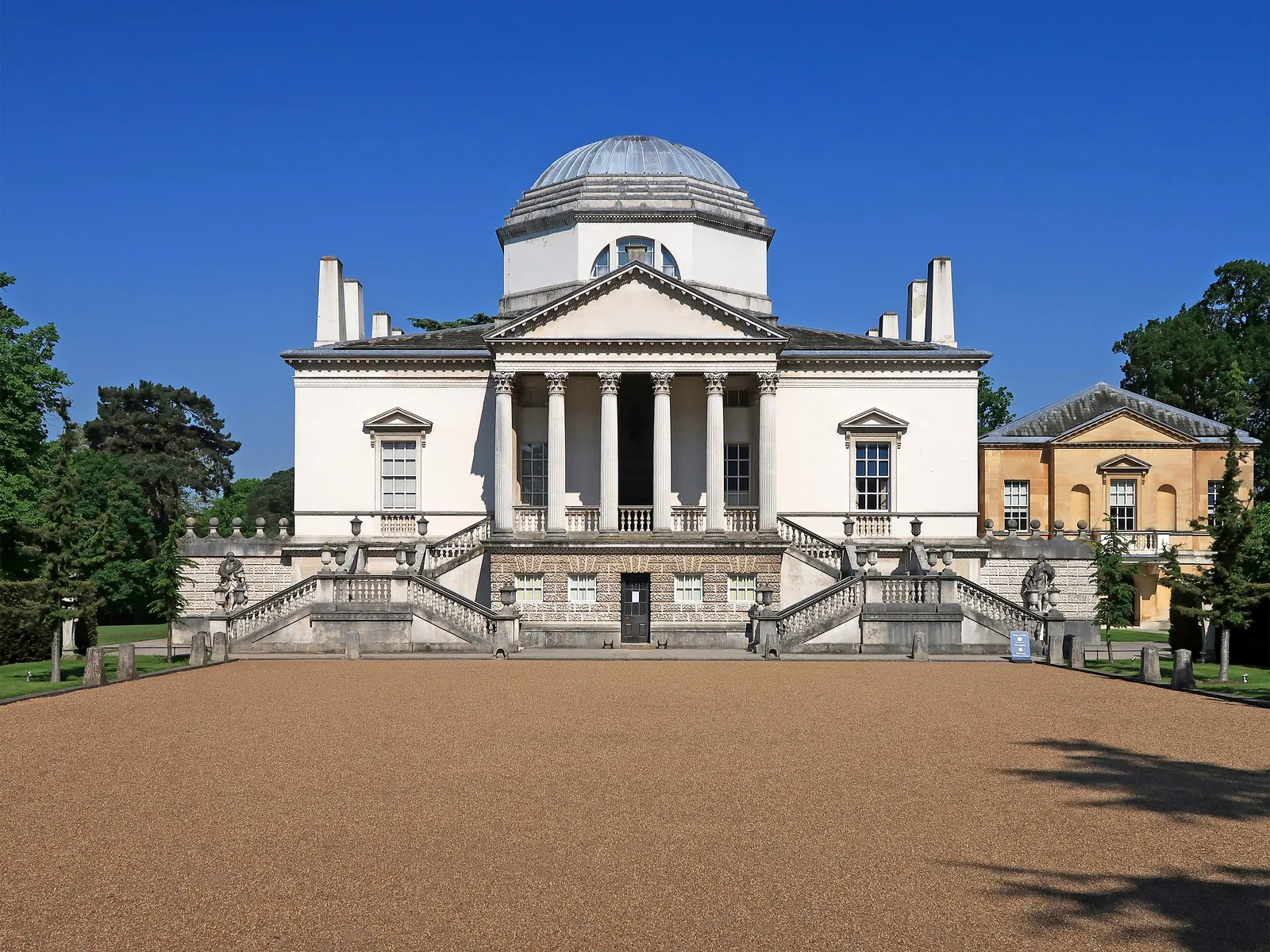
Chiswick faces the River Thames at Strand on the Green Conservation Area and Old Chiswick Conservation Area, with Chiswick High Road Conservation Area along the shopping street and Chiswick House Conservation Area inland. That Thames-side setting is not the River Crane or Hounslow Heath story used on the Hounslow pages. Bat surveys are often needed where works affect roofs, lofts or mature trees around River Thames and Strand on the Green Conservation Area.
In Chiswick, including around River Thames and Strand on the Green Conservation Area, the London Borough of Hounslow assesses effects on bats as protected species under Policy GB7 of the Local Plan, adopted on 15 September 2015, together with London Plan Policy G6, published on 2 March 2021. Surveys should follow current best practice and, where a licence may be needed, show how roosts will be retained or compensated. Confirm the current local validation requirements with the council before submitting. Confirm the current validation requirements with the council before submitting.
Local plan: Hounslow Local Plan (adopted 15 September 2015) and The London Plan 2021 (published 2 March 2021) (The Hounslow Local Plan was adopted on 15 September 2015 and remains the adopted borough development plan as of 13 November 2026, together with the London Plan 2021, published on 2 March 2021. The draft London Plan 2026 is in consultation and is not adopted. There is no 2027 successor council. The London Borough of Hounslow is the local planning authority and the Lead Local Flood Authority.)
EQ3: Flood risk and surface water management
Requires development proposals to prepare flood risk assessments consistent with Environment Agency and Strategic Flood Risk Assessment requirements, to apply the sequential approach within site boundaries, to incorporate necessary flood resistance and resilience measures, and to incorporate sustainable urban drainage systems and avoid non-permeable hard standings, with the aim of achieving greenfield runoff rates. The policy also uses the sequential and exception tests to avoid inappropriate development in flood risk areas, and promotes opening up river corridors and buffer zones to watercourses.
G6: Biodiversity and access to nature
London Plan Policy G6 requires development proposals to manage impacts on biodiversity and aim to secure net biodiversity gain. Sites of Importance for Nature Conservation should be protected. The policy does not set a percentage.
G7: Trees and woodlands
Requires existing trees of value to be retained wherever possible. Where trees are removed, there should be adequate replacement based on the value of the benefits lost, determined by a method such as i-Tree or CAVAT. Additional planting, particularly of large-canopied species, should generally be included.
GB4: The green infrastructure network
Requires development proposals to make a positive contribution to the green infrastructure network and to incorporate on-site green infrastructure that integrates into the wider network, which may include green roofs, sustainable drainage, trees and pedestrian access routes. Proposals must demonstrate that there will be no significant adverse impact on the borough's green infrastructure. The supporting text identifies the River Crane, the Duke of Northumberland's River and the Crane Corridor as green links.
GB7: Biodiversity
Requires development to be permitted only where significant adverse impact on biodiversity is avoided, mitigated, or as a last resort compensated. It protects designated international, national and local nature conservation areas, promotes qualitative enhancement including access, connectivity and new habitat, and encourages greening through landscaping and tree planting, including protection of existing trees through Tree Preservation Orders. Development proposals are expected to contribute to greening, including green roofs and walls, landscaping, tree planting and other measures such as bat and bird boxes, through ecological plans and strategies where major developments are proposed, thereby resulting in a gain for biodiversity.
SI 12: Flood risk management
Requires development proposals to minimise and mitigate flood risk and address residual risk, including, where possible, making space for water and setting development back from watercourses. In London the boroughs are the Lead Local Flood Authorities.
General guidance for bat survey, not formal advice for your site.
London Borough of Hounslow. The London Plan also forms part of the development plan. The borough is the Lead Local Flood Authority. There is no 2027 successor council for this borough.
When a planning application in Chiswick could affect trees, habitats, heritage, flood risk or existing buildings around River Thames and Strand on the Green Conservation Area. Confirm the current validation requirements with the council.
Yes. The London Plan, published on 2 March 2021, forms part of the development plan in Chiswick alongside the London Borough of Hounslow local plan.