Featured partner
Recommended for Didcot

ROAVR Group
Tree, ecology, flood risk and topographical surveys for planning applications.
4.9 Google rating
Get a quote
Local experts.
Featured partner
Recommended for Didcot
Tree, ecology, flood risk and topographical surveys for planning applications.
4.9 Google rating
Local experts.
Ecological consultancy whose own contact page publishes an Oxfordshire office at 18 Di…
Ecological consultancy whose own contact page publishes offices at Hexagon Business…
Ecological consultancy whose own contact page publishes an Oxford office at Hampden…
A bat survey in Didcot is often needed where work could affect the Didcot Station Road Conservation Area, or the Didcot Old Area Conservation Area. South Oxfordshire District Council is the local planning authority. Buildings, trees and habitats in the Didcot Station Road Conservation Area and at the Didcot Old Area Conservation Area can support roosting or commuting bats. Policy ENV3 is the adopted biodiversity policy, and South Oxfordshire District Council applies the statutory 10 per cent biodiversity net gain minimum. It is a railway and garden town around the Didcot Station Road Conservation Area and the Didcot Old Area Conservation Area, quite unlike the Thames-side market towns of Henley-on-Thames, Thame and Wallingford. Confirm the current validation requirements with the council before submitting.
Local planning authority: South Oxfordshire District Council
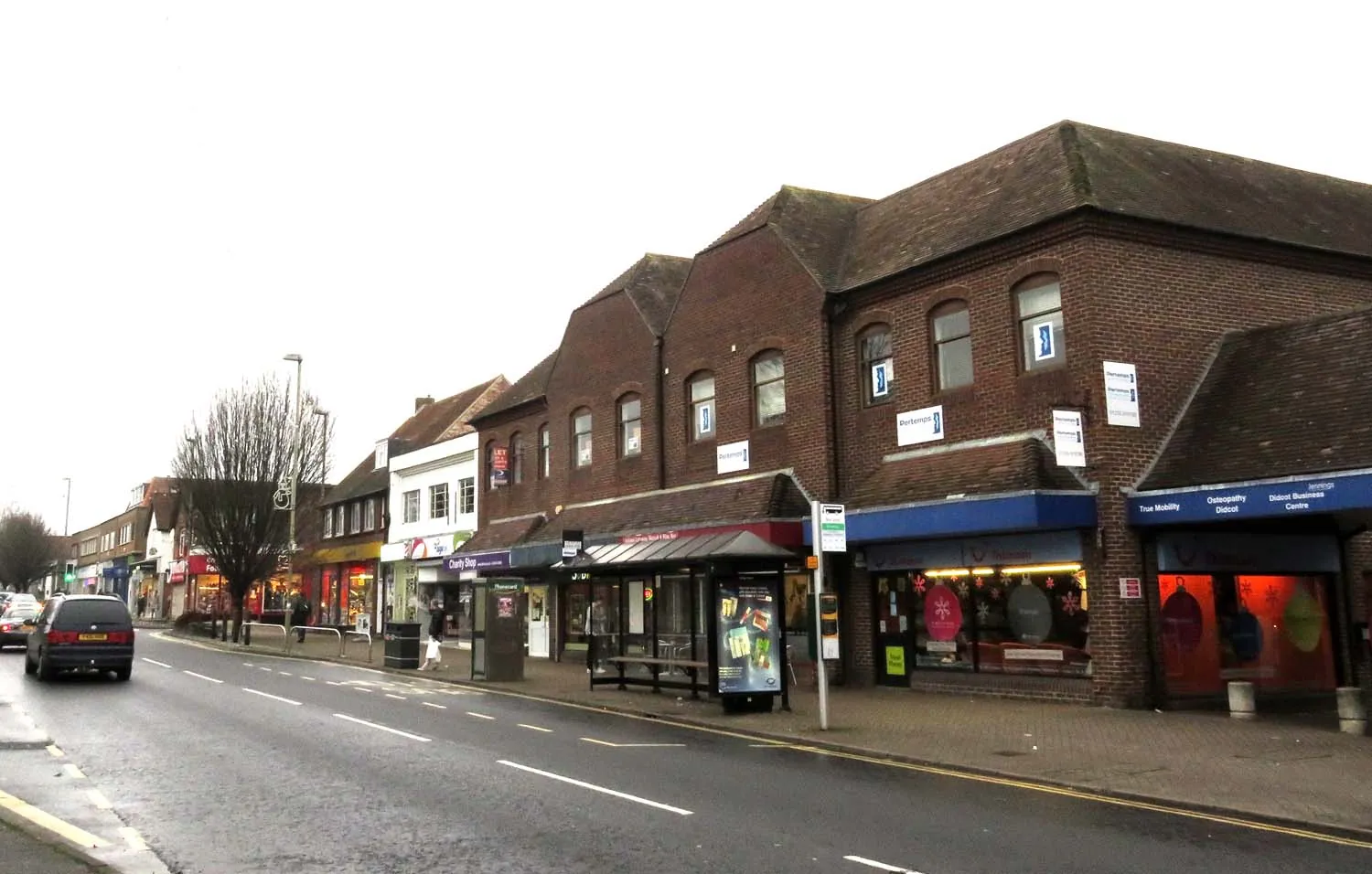
Didcot is in the area of South Oxfordshire District Council. It is a railway and garden town around the Didcot Station Road Conservation Area and the Didcot Old Area Conservation Area, quite unlike the Thames-side market towns of Henley-on-Thames, Thame and Wallingford. The adopted South Oxfordshire Local Plan 2035 applies here. The Didcot Station Road Conservation Area and the Didcot Old Area Conservation Area are the official features that shape bat survey work here. Oxfordshire County Council is the Lead Local Flood Authority. There is no confirmed successor council for Oxfordshire.
In Didcot, including around the Didcot Station Road Conservation Area and at the Didcot Old Area Conservation Area, the same adopted local plan policies apply. South Oxfordshire District Council assesses protected species, including bats, under Policy ENV3 of the South Oxfordshire Local Plan 2035. Policy ENV3 (Biodiversity) of the South Oxfordshire Local Plan 2035, adopted on 10 December 2020, supports development that will conserve, restore and enhance biodiversity, and requires all development to provide a net gain in biodiversity where possible, with no net loss as a minimum, evidenced using a recognised biodiversity accounting metric. The policy does not set a higher than statutory biodiversity net gain percentage. South Oxfordshire District Council applies the statutory 10 per cent minimum. Confirm the current validation requirements with the council before submitting.
Local plan: South Oxfordshire Local Plan 2035 (adopted)
ENV2: Biodiversity - Designated Sites, Priority Habitats and Species
Policy ENV2 (Biodiversity - Designated Sites, Priority Habitats and Species) of the South Oxfordshire Local Plan 2035, adopted on 10 December 2020, gives the highest level of protection to sites of international nature conservation importance, protects Sites of Special Scientific Interest, and controls development likely to result in harm to local wildlife sites, priority habitats and species, legally protected species, ancient woodland and veteran trees.
ENV3: Biodiversity
Policy ENV3 (Biodiversity) of the South Oxfordshire Local Plan 2035, adopted on 10 December 2020, supports development that will conserve, restore and enhance biodiversity, and requires all development to provide a net gain in biodiversity where possible, with no net loss as a minimum, evidenced using a recognised biodiversity accounting metric. The policy does not set a higher than statutory biodiversity net gain percentage. South Oxfordshire District Council applies the statutory 10 per cent minimum.
EP4: Flood Risk
Policy EP4 (Flood Risk) of the South Oxfordshire Local Plan 2035, adopted on 10 December 2020, requires the risk and impact of flooding to be minimised by directing new development to areas with the lowest probability of flooding, addressing all sources of flood risk, and ensuring that development does not increase the risk of flooding elsewhere. A site-specific Flood Risk Assessment is required in Flood Zones 2 and 3 and in the circumstances set out for Flood Zone 1, and all development must provide a Drainage Strategy and is expected to incorporate Sustainable Drainage Systems.
ENV1: Landscape and Countryside
Policy ENV1 (Landscape and Countryside) of the South Oxfordshire Local Plan 2035, adopted on 10 December 2020, gives the highest level of protection to the Chilterns and North Wessex Downs Areas of Outstanding Natural Beauty, and protects features that contribute to the nature and quality of the district's landscapes, including trees, hedgerows, ancient woodland and aged or veteran trees, and the landscapes, waterscapes, cultural heritage and user enjoyment of the River Thames.
General guidance for bat survey, not formal advice for your site.
South Oxfordshire District Council. Oxfordshire County Council is the Lead Local Flood Authority. There is no confirmed successor council for Oxfordshire.
A bat survey in Didcot is often needed where buildings, trees or habitats in the Didcot Station Road Conservation Area or at the Didcot Old Area Conservation Area could be affected by development. Confirm the current validation requirements with the council.
They can. Roosting and commuting bats may use buildings, trees and habitats in the Didcot Station Road Conservation Area and at the Didcot Old Area Conservation Area. Confirm the current validation requirements with the council.