Featured partner
Recommended for Dover

ROAVR Group
Tree, ecology, flood risk and topographical surveys for planning applications.
4.9 Google rating
Get a quote
Local experts.
Featured partner
Recommended for Dover
Tree, ecology, flood risk and topographical surveys for planning applications.
4.9 Google rating
Local experts.
Arboricultural and ecological consultancy with a Kent office at The Watermill, Maidstone…
Ecological consultancy with a trading office at Waterham Business Park, Faversham, Kent.
Canterbury landscape, ecology and arboricultural consultancy.
Maidstone ecological consultancy and a wholly owned subsidiary of Kent Wildlife Trust,…
A bat survey in Dover is often needed where older buildings, trees or structures in the Dover Town Centre Conservation Area or around Dover Castle could support roosts. Dover District Council is the local planning authority. The castle grounds, the chalk slopes and older buildings in the town centre can support bats, birds and other habitats. Surveys should follow current best practice, and roosts are protected by law. Buildings, trees and structures should be assessed for roost potential before any demolition, conversion or significant lighting is proposed. Confirm the current validation requirements with the council before submitting.
Local planning authority: Dover District Council
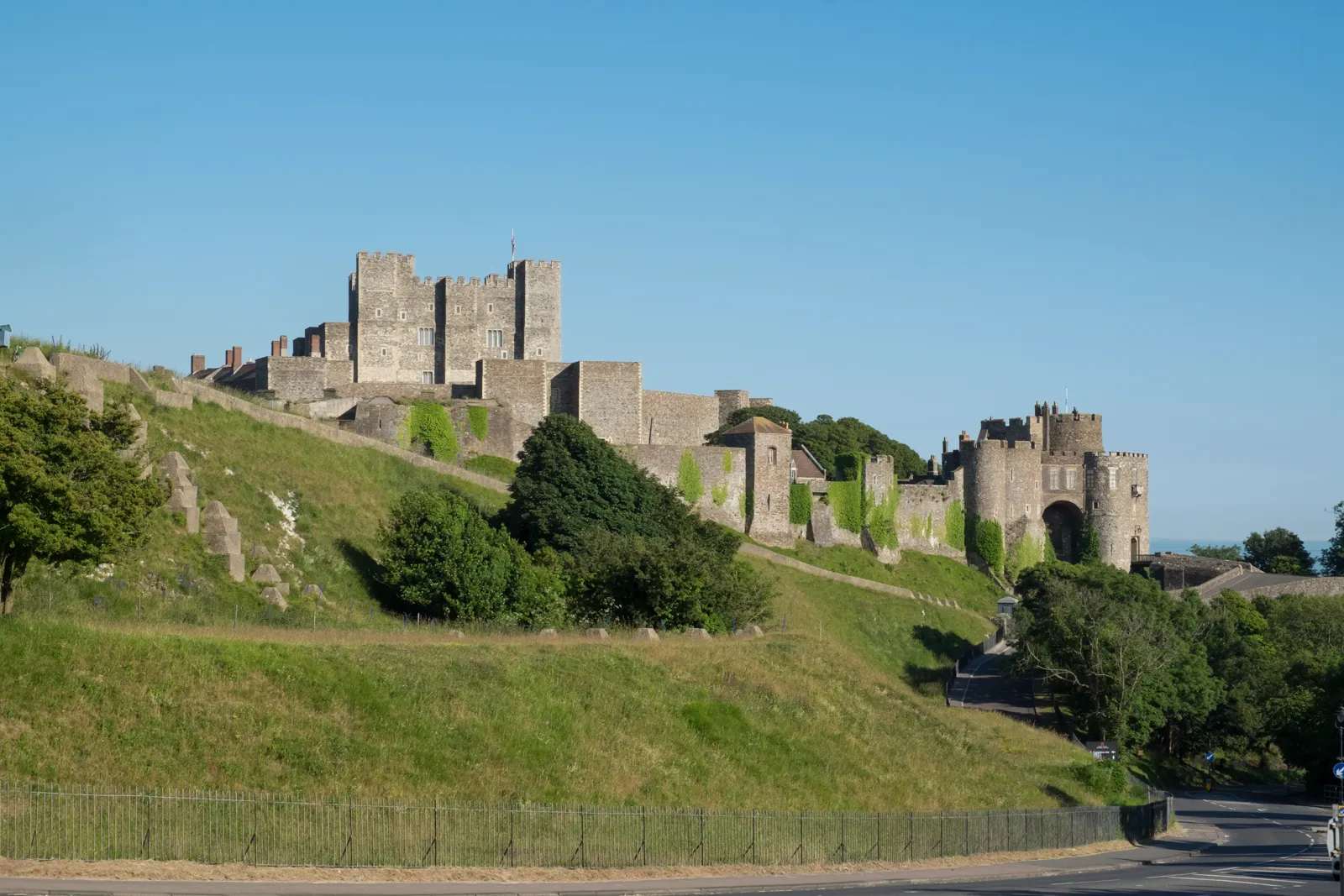
Dover is in the area of Dover District Council. Dover is a Channel port town below Dover Castle, quite unlike the quieter coastal town of Deal further north along the same district coast. Dover Town Centre Conservation Area and Dover Castle are the official features that shape survey work here. Kent County Council is the Lead Local Flood Authority. There is no confirmed 2027 successor council for Kent.
In Dover, including around Dover Town Centre Conservation Area and Dover Castle, the same adopted local plan policies apply. Dover District Council assesses effects on bats under Policy NE1 of the Local Plan to 2040, adopted on 16 October 2024, together with the Conservation of Habitats and Species Regulations, which protect bats and their roosts. Confirm the current validation requirements with the council before submitting.
Local plan: Dover District Local Plan to 2040 (The Dover District Local Plan to 2040 was adopted on 16 October 2024 and is the statutory development plan as of 15 November 2026.)
NE1: Biodiversity and Biodiversity Net Gain
Requires biodiversity net gain of at least 10 per cent for relevant new development, preferably on-site, and protects designated sites and wider habitats.
General guidance for bat survey, not formal advice for your site.
Dover District Council. There is no confirmed 2027 successor council for Kent. Kent County Council is the Lead Local Flood Authority.
A bat survey is often needed where older buildings, trees or structures in the Dover Town Centre Conservation Area or around Dover Castle could support roosts. Confirm the current validation requirements with the council.
Dover District Council assesses effects under the adopted local plan, and bats and their roosts are also protected by the Conservation of Habitats and Species Regulations.