Featured partner
Recommended for Eastbourne

ROAVR Group
Tree, ecology, flood risk and topographical surveys for planning applications.
4.9 Google rating
Get a quote
Local experts.
Featured partner
Recommended for Eastbourne
Tree, ecology, flood risk and topographical surveys for planning applications.
4.9 Google rating
Local experts.
Independent ecological consultancy whose own site publishes a trading address at The…
Environmental and ecological consultancy whose own contact page publishes its head…
A bat survey in Eastbourne is often needed where work could affect the Town Centre and Seafront Conservation Area, or the Meads Conservation Area. Eastbourne Borough Council is the local planning authority. Buildings, trees and habitats in the Town Centre and Seafront Conservation Area and at the Meads Conservation Area can support roosting or commuting bats. Policy D9 requires development to seek to enhance biodiversity and, for larger schemes, to produce a Biodiversity Survey. The council applies the statutory 10 per cent minimum. It is a Victorian coastal town around the Town Centre and Seafront Conservation Area and the Meads Conservation Area, quite unlike Hastings further east along the coast. Confirm the current validation requirements with the council before submitting.
Local planning authority: Eastbourne Borough Council
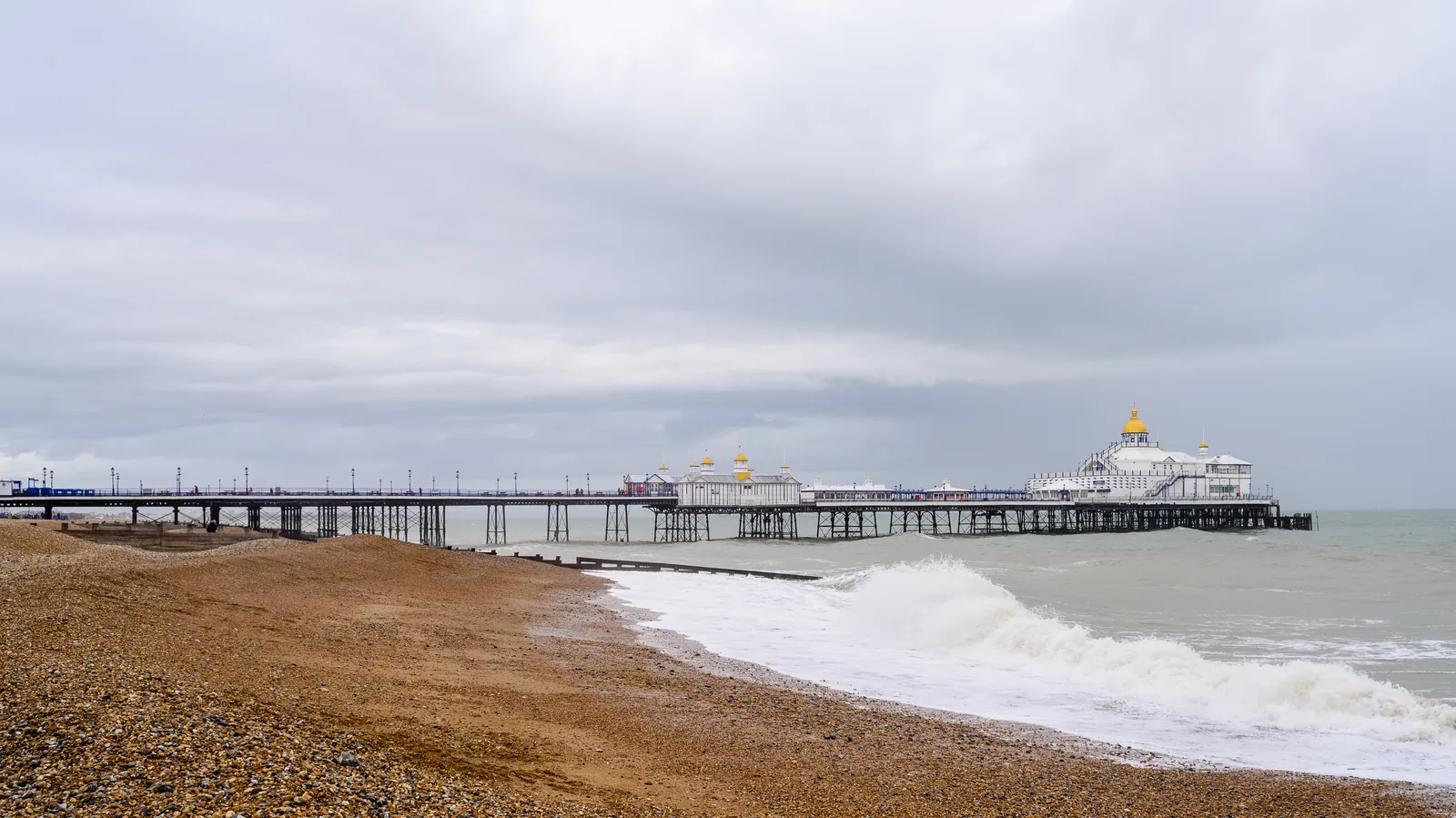
Eastbourne is in the area of Eastbourne Borough Council. It is a Victorian coastal town around the Town Centre and Seafront Conservation Area and the Meads Conservation Area, quite unlike Hastings further east along the coast. The adopted Eastbourne Core Strategy Local Plan 2006–2027 applies here. The Town Centre and Seafront Conservation Area and the Meads Conservation Area are the official features that shape bat survey work here. East Sussex County Council is the Lead Local Flood Authority. There is no confirmed 2027 successor council for East Sussex.
In Eastbourne, including around the Town Centre and Seafront Conservation Area and at the Meads Conservation Area, the same adopted local plan policies apply. Eastbourne Borough Council assesses protected species, including bats, under Policy D9 of the Eastbourne Core Strategy Local Plan 2006–2027. Policy D9 requires development to seek to enhance biodiversity and, for larger schemes, to produce a Biodiversity Survey. The council applies the statutory 10 per cent minimum. Confirm the current validation requirements with the council before submitting.
Local plan: Eastbourne Core Strategy Local Plan 2006–2027 (The Eastbourne Core Strategy Local Plan 2006–2027, adopted on 20 February 2013, is the statutory local plan as of 15 November 2026. A later Eastbourne Local Plan had not been adopted as of that date.)
D9: Natural Environment
Policy D9 (Natural Environment) of the Eastbourne Core Strategy Local Plan 2006–2027, adopted on 20 February 2013, requires effective conservation and enhancement of Eastbourne's wildlife, safeguards protected sites, and requires development to seek to enhance biodiversity and to produce a Biodiversity Survey for developments over 500 square metres or five dwellings. The policy does not set a higher than statutory biodiversity net gain percentage. Eastbourne Borough Council applies the statutory 10 per cent minimum. Policy D9 (Natural Environment) of the Eastbourne Core Strategy Local Plan 2006–2027, adopted on 20 February 2013, supports development proposals that avoid areas of current or future flood risk and which do not increase the risk of flooding elsewhere, requires a risk-based sequential approach, a flood risk assessment that conforms to national policy, and the incorporation of Sustainable Urban Drainage Systems to manage surface water drainage. Policy D9 (Natural Environment) of the Eastbourne Core Strategy Local Plan 2006–2027, adopted on 20 February 2013, seeks to protect and support a multi-functional network of green space and, in its supporting text, expects development proposals to provide or enable landscaping schemes that protect existing landscape features.
General guidance for bat survey, not formal advice for your site.
Eastbourne Borough Council. East Sussex County Council is the Lead Local Flood Authority. There is no confirmed 2027 successor council for East Sussex.
A bat survey in Eastbourne is often needed where buildings, trees or habitats in the Town Centre and Seafront Conservation Area or at the Meads Conservation Area could be affected by development. Confirm the current validation requirements with the council.
They can. Roosting and commuting bats may use buildings, trees and habitats in the Town Centre and Seafront Conservation Area and at the Meads Conservation Area. Confirm the current validation requirements with the council.
No other published town guides for this survey in the council area yet.