Featured partner
Recommended for Ely

ROAVR Group
Tree, ecology, flood risk and topographical surveys for planning applications.
4.9 Google rating
Get a quote
Local experts.
Featured partner
Recommended for Ely
Tree, ecology, flood risk and topographical surveys for planning applications.
4.9 Google rating
Local experts.
Independent ecological and arboricultural consultancy whose own site publishes a…
Family-owned ecological consultancy whose own site publishes a postal address at…
Environmental management group whose own site publishes its head office and Peterborough…
A bat survey in Ely is often needed where work could affect the Ely Conservation Area, or the River Great Ouse. East Cambridgeshire District Council is the local planning authority. Buildings, trees and habitats in the Ely Conservation Area and at the River Great Ouse can support roosting or commuting bats. Policy ENV 7 protects biodiversity, geology, trees, hedgerows and woodland, and requires an ecological report where those interests may be affected. East Cambridgeshire District Council applies the statutory 10 per cent biodiversity net gain minimum. It is a cathedral city around the official Ely Conservation Area and the River Great Ouse, quite unlike Cambridge, Wisbech or March. Confirm the current validation requirements with the council before submitting.
Local planning authority: East Cambridgeshire District Council
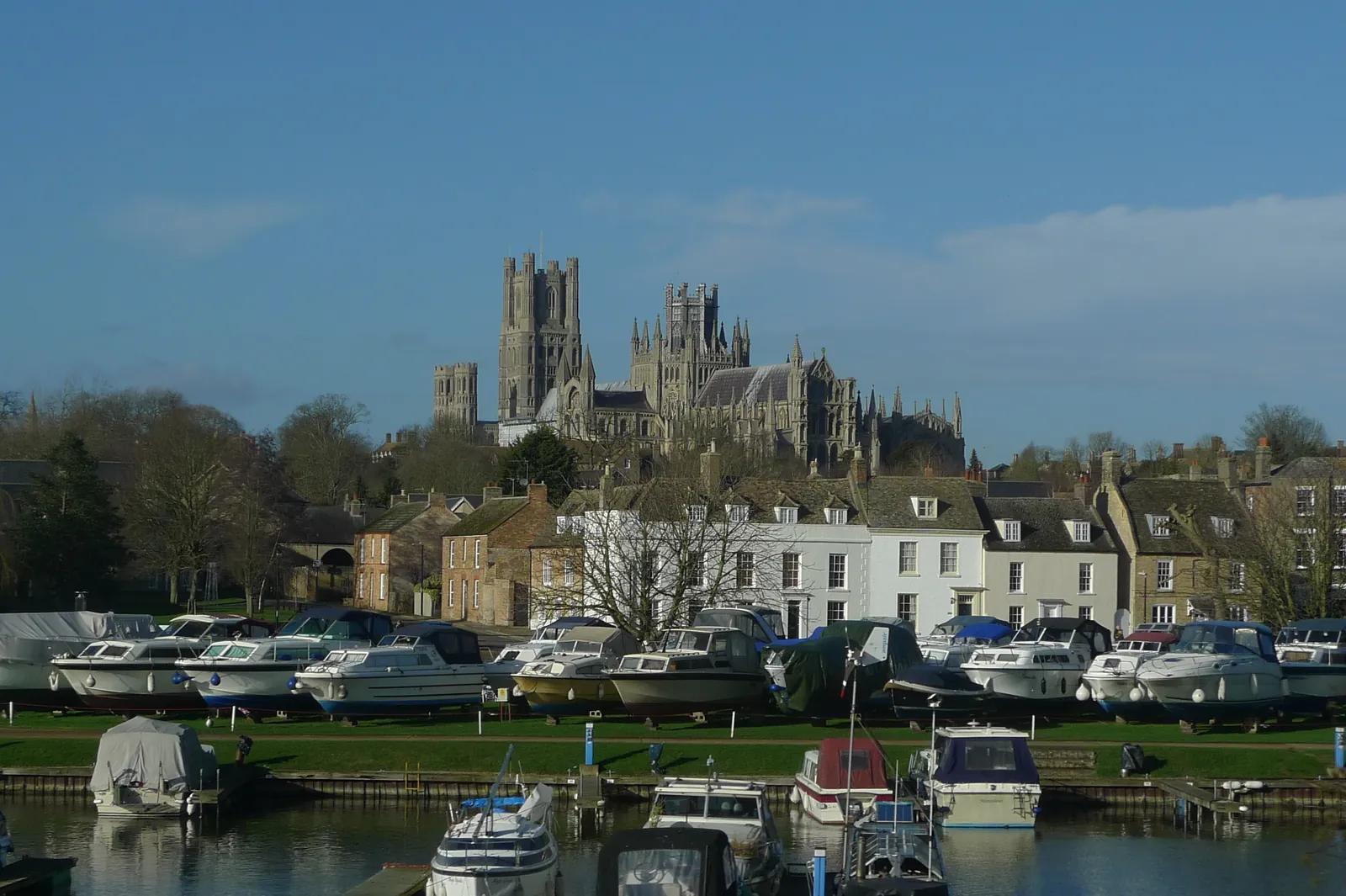
Ely is in the area of East Cambridgeshire District Council. It is a cathedral city around the official Ely Conservation Area and the River Great Ouse, quite unlike Cambridge, Wisbech or March. The adopted East Cambridgeshire Local Plan Adopted April 2015 (as amended 2023) applies here. The Ely Conservation Area and the River Great Ouse are the official features that shape bat survey work here. Cambridgeshire County Council is the Lead Local Flood Authority. There is no confirmed successor council for East Cambridgeshire.
In Ely, including around the Ely Conservation Area and at the River Great Ouse, the same adopted local plan policies apply. East Cambridgeshire District Council assesses protected species, including bats, under Policy ENV 7 of the East Cambridgeshire Local Plan Adopted April 2015 (as amended 2023). Policy ENV 7 (Biodiversity and geology) of the East Cambridgeshire Local Plan Adopted April 2015 (as amended 2023) requires all development proposals to protect the biodiversity and geological value of land and buildings and minimise harm to or loss of environmental features, such as trees, hedgerows, woodland, wetland and ponds; provide appropriate mitigation, reinstatement or replacement of features and/or compensatory work that will enhance or recreate habitats on or off site where harm is unavoidable; and maximise opportunities for creation, restoration, enhancement and connection of natural habitats as an integral part of development proposals. Applications that may affect biodiversity and geology interests must be accompanied by sufficient information, including an ecological report. Where there is reason to suspect the presence of protected species, trees and woodland, applications must be accompanied by a survey carried out by a qualified individual. The policy does not set a higher than statutory biodiversity net gain percentage. East Cambridgeshire District Council applies the statutory 10 per cent minimum. Confirm the current validation requirements with the council before submitting.
Local plan: East Cambridgeshire Local Plan Adopted April 2015 (as amended 2023) (adopted)
ENV 7: Biodiversity and geology
Policy ENV 7 (Biodiversity and geology) of the East Cambridgeshire Local Plan Adopted April 2015 (as amended 2023) requires all development proposals to protect the biodiversity and geological value of land and buildings and minimise harm to or loss of environmental features, such as trees, hedgerows, woodland, wetland and ponds; provide appropriate mitigation, reinstatement or replacement of features and/or compensatory work that will enhance or recreate habitats on or off site where harm is unavoidable; and maximise opportunities for creation, restoration, enhancement and connection of natural habitats as an integral part of development proposals. Applications that may affect biodiversity and geology interests must be accompanied by sufficient information, including an ecological report. Where there is reason to suspect the presence of protected species, trees and woodland, applications must be accompanied by a survey carried out by a qualified individual. The policy does not set a higher than statutory biodiversity net gain percentage. East Cambridgeshire District Council applies the statutory 10 per cent minimum.
ENV 8: Flood risk
Policy ENV 8 (Flood risk) of the East Cambridgeshire Local Plan Adopted April 2015 (as amended 2023) provides that all developments and re-developments should contribute to an overall flood risk reduction. The sequential test and exception test will be strictly applied, and new development should normally be located in Flood Risk Zone 1. Development will not be permitted where it would intensify the risk of flooding during the lifetime of the development, increase the risk of flooding of properties elsewhere, have a detrimental effect on existing flood defences, cause an unacceptable risk to safety, or where safe access is not achievable during times of flooding, taking into account climate change allowances. A site-specific Flood Risk Assessment is required for major and non-minor development in Flood Zones 2 and 3 and Modelled Zone 3, and for major and non-minor development in Flood Zone 1 on sites of 1 hectare or greater or where there is evidence of historic flooding. The use of Sustainable Drainage Systems will be required for new developments in accordance with the Cambridgeshire SuDs Design and Adoption Handbook, unless character, soil conditions and/or engineering feasibility dictate otherwise.
General guidance for bat survey, not formal advice for your site.
East Cambridgeshire District Council. Cambridgeshire County Council is the Lead Local Flood Authority. There is no confirmed successor council for East Cambridgeshire.
A bat survey in Ely is often needed where buildings, trees or habitats in the Ely Conservation Area or at the River Great Ouse could be affected by development. Confirm the current validation requirements with the council.
They can. Roosting and commuting bats may use buildings, trees and habitats in the Ely Conservation Area and at the River Great Ouse. Confirm the current validation requirements with the council.
No other published town guides for this survey in the council area yet.