Featured partner
Recommended for Enfield Town

ROAVR Group
Tree, ecology, flood risk and topographical surveys for planning applications.
4.9 Google rating
Get a quote
Local experts.
Featured partner
Recommended for Enfield Town
Tree, ecology, flood risk and topographical surveys for planning applications.
4.9 Google rating
Local experts.
London-based ecological consultancy in Muswell Hill.
Arboricultural and ecological consultancy trading as Tim Moya Associates from 2 The…
Environmental and ecology consultancy with a London office at Holyrood Street, near…
Environmental consultancy founded in 2004, with its head office on the Surrey Research…
Older buildings in the Enfield Town Conservation Area, civic and commercial roofs around Enfield Civic Centre, and mature trees along the New River and in Enfield Town Park can offer bat roost and foraging opportunities. The London Borough of Enfield protects species of principal importance and will only accept harm where it cannot reasonably be avoided and mitigation is secured. Where a preliminary appraisal finds potential roost features, emergence or re-entry surveys in the appropriate season are needed before works or a planning decision. Surface water flood risk does not remove that requirement, but lighting and landscape design for drainage beside the New River should avoid breaking up foraging routes.
Local planning authority: London Borough of Enfield
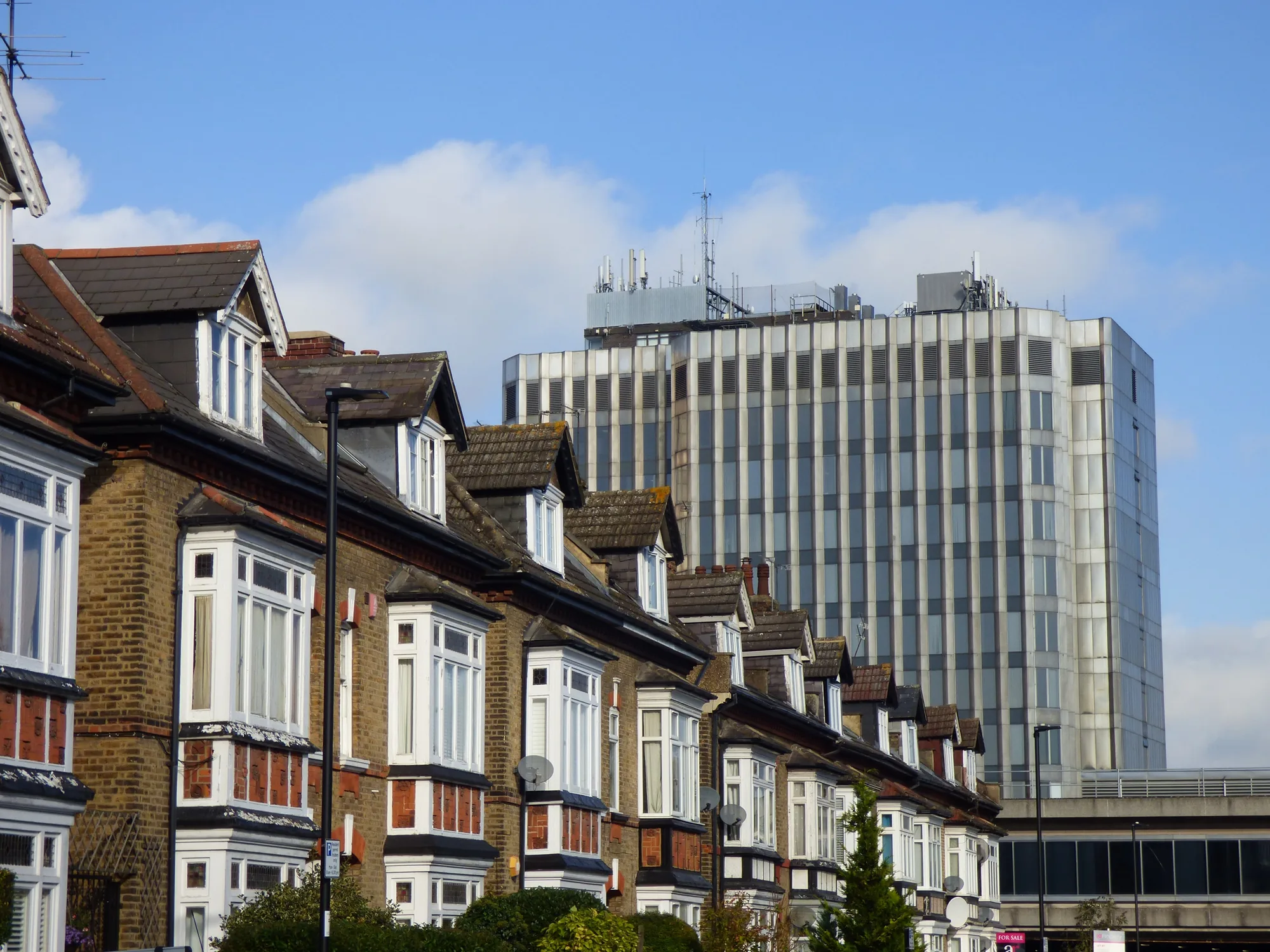
Bat roosts may be present in buildings and trees in the Enfield Town Conservation Area, around Enfield Civic Centre and along the New River toward Enfield Town Park. Surface water flood risk and new lighting should be designed so that the waterway corridor is not unduly lit.
The London Borough of Enfield assesses impacts on bats under Core Policy 36 and Policy DMD 78, together with protected-species legislation. Confirm the current local validation requirements with the council before submitting.
Local plan: Enfield Core Strategy 2010–2025 and Development Management Document (2014) (The adopted borough-wide development plan documents remain the Core Strategy (November 2010) and the Development Management Document (November 2014). A new Local Plan has been submitted for examination and is not treated as adopted. The London Plan, published on 2 March 2021, also forms part of the development plan. There is no 2027 successor council for this borough.)
DMD 80: Trees on Development Sites
Policy DMD 80 of the Enfield Development Management Document, adopted in November 2014, refuses development, including subsidiary or enabling works, that involves the loss of or harm to trees covered by Tree Preservation Orders or trees of significant amenity or biodiversity value, unless exceptional circumstances support removal and adequate replacement is provided. All development and demolition must retain and protect trees of amenity and biodiversity value on the site and on adjacent sites, ensure the future long-term health and amenity value of the trees is not harmed, and provide adequate separation from buildings, including regard to shading. Works must comply with established arboricultural good practice, guidelines and legislation. Supporting text advises that measures to safeguard retained trees should be in accordance with BS 5837.
DMD 78: Nature Conservation
Policy DMD 78 permits development that has a direct or indirect negative impact upon important ecological assets only where the harm cannot reasonably be avoided and it has been demonstrated that appropriate mitigation can address the harm, secured through planning obligations or conditions. Important ecological assets include the Chingford Reservoirs Site of Special Scientific Interest, Sites of Importance for Nature Conservation, ancient woodland, veteran trees, and habitats and species of principal importance. Major development in areas of deficiency must maximise opportunities to improve access to nature. Policy DMD 79 separately requires on-site ecological enhancements on developments creating 100 square metres of floorspace or one net dwelling or more, having regard to feasibility and viability. Core Policy 36 of the Core Strategy, adopted in November 2010, seeks to protect, enhance, restore or add to biodiversity interests.
Core Policy 36: Biodiversity
Core Policy 36 of the Enfield Core Strategy, adopted in November 2010, seeks to protect, enhance, restore or add to biodiversity interests in the borough, including parks, green corridors, waterways, and sites, habitats and species identified at European, national, London or local level. The council will continue to protect, restore and enhance such sites and will require improvements to biodiversity provision, with priority given to areas of deficiency. The policy does not set a biodiversity net gain percentage above the national minimum.
DMD 59: Avoiding and Reducing Flood Risk
Policy DMD 59 requires new development to avoid and reduce the risk of flooding and not increase the risks elsewhere. Development must be appropriately located and informed by a site-specific flood risk assessment in flood risk areas in line with Policy DMD 60, preserve overland flood and flow routes, ensure no net loss of flood storage on site (or, exceptionally, adequate off-site compensatory storage), manage surface water in line with Policy DMD 61, and prevent the loss of permeable surfaces while maximising green infrastructure as potential flood storage. Policy DMD 60 sets when a flood risk assessment is required, including development of 1 hectare or more in Flood Zone 1, all new development in Flood Zones 2 and 3, below-ground space in groundwater flood risk areas, and proposals identified as being at risk from surface water flooding in the Surface Water Management Plan. Policy DMD 61 requires a drainage strategy for all developments, with major development required to achieve greenfield run-off rates. Core Policy 28 requires Sustainable Drainage Systems in all developments.
Core Policy 28: Managing Flood Risk Through Development
Core Policy 28 of the Enfield Core Strategy, adopted in November 2010, takes a risk-based approach to development and flood risk, directing development to areas of lowest risk. Sustainable Drainage Systems are required in all developments, irrespective of the flood risk at individual sites. Developments in areas identified as being at risk from surface or groundwater flooding must demonstrate that further investigation of the extent of risk, and the feasibility of options for prevention or mitigation, have been considered. A Level 2 Strategic Flood Risk Assessment was identified for Enfield Town among other locations.
General guidance for bat survey, not formal advice for your site.
The London Borough of Enfield. The London Plan also forms part of the development plan. The borough is the Lead Local Flood Authority. There is no 2027 successor council for this borough.
Where buildings or trees could support roosting bats, including in the Enfield Town Conservation Area and around Enfield Civic Centre or the New River, a specialist bat survey in the right season is usually required. Confirm the current local validation requirements with the council before submitting.
Yes. The London Plan, published on 2 March 2021, forms part of the development plan. Policy G6 sits alongside legal duties to protect bats.
No other published town guides for this survey in the council area yet.