Featured partner
Recommended for Southend-on-Sea

ROAVR Group
Tree, ecology, flood risk and topographical surveys for planning applications.
4.9 Google rating
Get a quote
Local experts.
Featured partner
Recommended for Southend-on-Sea
Tree, ecology, flood risk and topographical surveys for planning applications.
4.9 Google rating
Local experts.
Ecological consultancy whose own website states that it is based in Essex and lists…
Ecological consultancy of Essex Wildlife Trust, trading as Essex Ecology Services…
Arboricultural and ecological consultancy with a Kent office at The Watermill, Maidstone…
Ecological consultancy with a trading office at Sudbury Stables, Sudbury Road, Downham,…
Bat surveys in Southend-on-Sea are often needed where buildings or trees in the Clifftown Conservation Area, or around the Prittlewell Conservation Area, could support roosts or foraging. Southend-on-Sea City Council is the local planning authority. A preliminary roost assessment is the usual first step, with further activity surveys where they are needed. Older buildings and mature trees in the Clifftown Conservation Area and around the Prittlewell Conservation Area can provide roosting or commuting habitat. It is a unitary seaside city on the Thames Estuary, quite unlike the inland market towns or the New Towns farther west, with official conservation areas at Clifftown, close to the seafront and pier, and at Prittlewell, around the historic settlement inland of the seafront. Confirm the current validation requirements with the council before submitting.
Local planning authority: Southend-on-Sea City Council
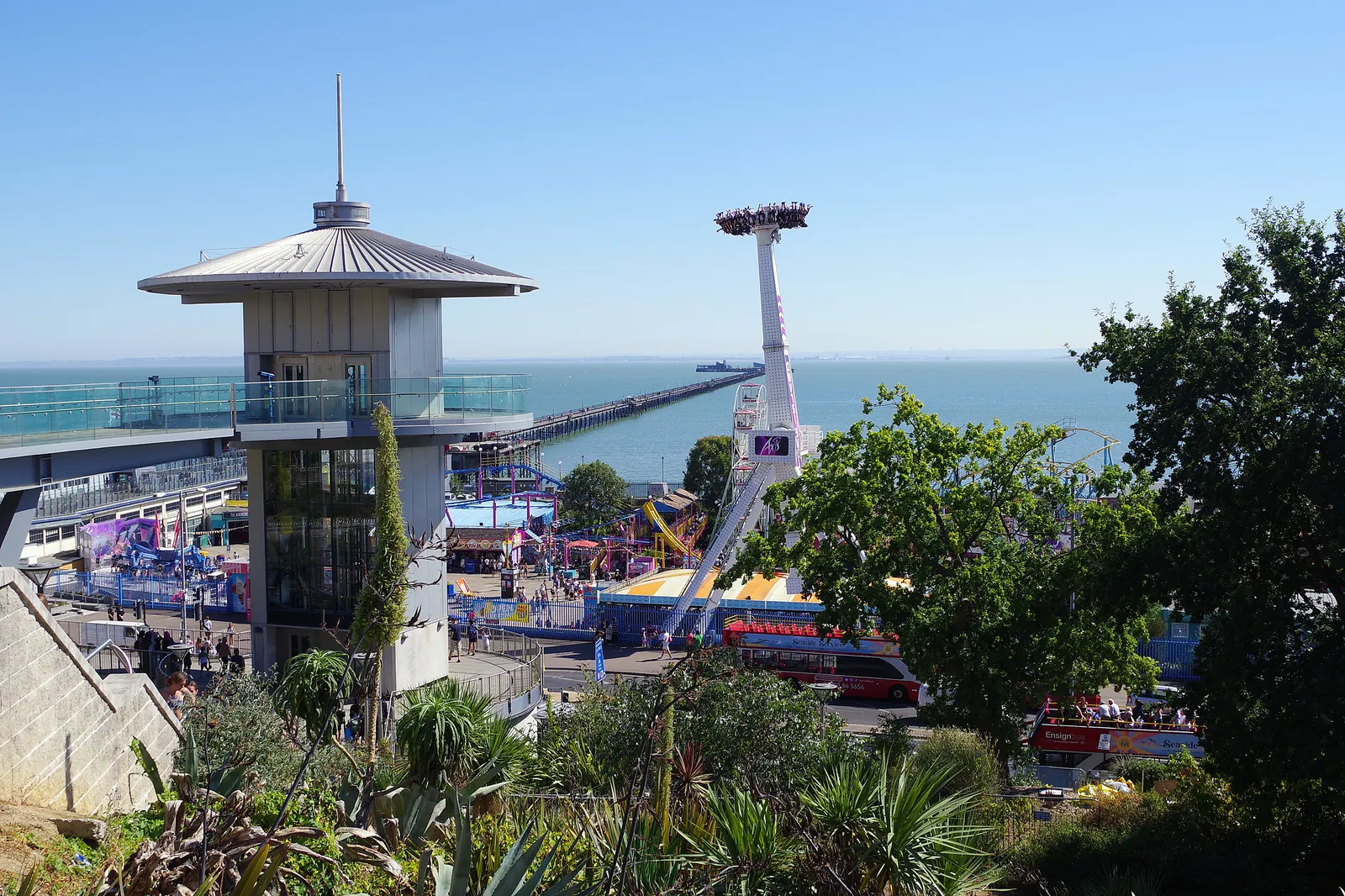
Southend-on-Sea is in the area of Southend-on-Sea City Council. It is a unitary seaside city on the Thames Estuary, quite unlike the inland market towns or the New Towns farther west, with official conservation areas at Clifftown, close to the seafront and pier, and at Prittlewell, around the historic settlement inland of the seafront. The Clifftown Conservation Area and the Prittlewell Conservation Area are the official features that shape bat survey work here. Southend-on-Sea City Council is a unitary authority and is also the Lead Local Flood Authority. Southend-on-Sea City Council is the unitary local planning authority.
In Southend-on-Sea, including around the Clifftown Conservation Area and around the Prittlewell Conservation Area, the same adopted local plan policies apply. Southend-on-Sea City Council assesses ecology and protected species under Policy CP4 of the Southend-on-Sea Core Strategy and Development Management Document. Policy CP4 requires development to protect and enhance the natural and built environment, including biodiversity and the coastline. Confirm the current validation requirements with the council before submitting.
Local plan: Southend-on-Sea Core Strategy and Development Management Document (The Southend-on-Sea Core Strategy, adopted on 13 December 2007, and the Development Management Document, adopted in July 2015, are the statutory development plan as of 15 November 2026. A replacement local plan had not been adopted.)
CP4: The Environment and Urban Renaissance
Policy CP4 (The Environment and Urban Renaissance) of the Southend-on-Sea Core Strategy, adopted on 13 December 2007, is the strategic environment policy of the adopted development plan. It requires development to protect and enhance the natural and built environment, including biodiversity and the coastline, and to address flood risk with a detailed flood risk assessment and sustainable mitigation where development is proposed in an area of flood risk.
DM6: The Seafront
Policy DM6 (The Seafront) of the Southend-on-Sea Development Management Document, adopted in July 2015, requires development on the seafront to consider flood risk and coastal change, to provide flood-resistant or flood-resilient design where appropriate, and not to impede the maintenance or improvement of flood defences.
General guidance for bat survey, not formal advice for your site.
Southend-on-Sea City Council. Southend-on-Sea City Council is a unitary authority and is also the Lead Local Flood Authority. Southend-on-Sea City Council is the unitary local planning authority.
Bat surveys in Southend-on-Sea are often needed where buildings or trees in the Clifftown Conservation Area, or around the Prittlewell Conservation Area, could support roosts or foraging. Confirm the current validation requirements with the council.
Policy CP4 requires development to protect and enhance the natural and built environment, including biodiversity and the coastline. Confirm the current validation requirements with the council.
No other published town guides for this survey in the council area yet.