Featured partner
Recommended for Stratford

ROAVR Group
Tree, ecology, flood risk and topographical surveys for planning applications.
4.9 Google rating
Get a quote
Local experts.
Featured partner
Recommended for Stratford
Tree, ecology, flood risk and topographical surveys for planning applications.
4.9 Google rating
Local experts.
Environmental and ecology consultancy with a London office at Holyrood Street, near…
London environmental consultancy based at Marshalsea Road, Southwark, formerly trading…
London-based ecological consultancy in Muswell Hill.
Environmental consultancy founded in 2004, with its head office on the Surrey Research…
Buildings in Stratford Town Centre and structures around Queen Elizabeth Olympic Park can support bats, so a bat survey may be needed before demolition or significant alteration. The local planning authority is the London Borough of Newham. Policy GWS3 of Our Newham Local Plan 2026–2042, adopted on 2 November 2026, requires an ecological assessment where development is likely to affect protected species. The December 2024 Planning Application Requirements list, which predates the new Local Plan, asks applicants to carry out a bat and nesting-birds survey where buildings would be significantly altered or demolished. Confirm the current requirements with the council. Policy G6 of the London Plan, published on 2 March 2021, also forms part of the development plan.
Local planning authority: London Borough of Newham
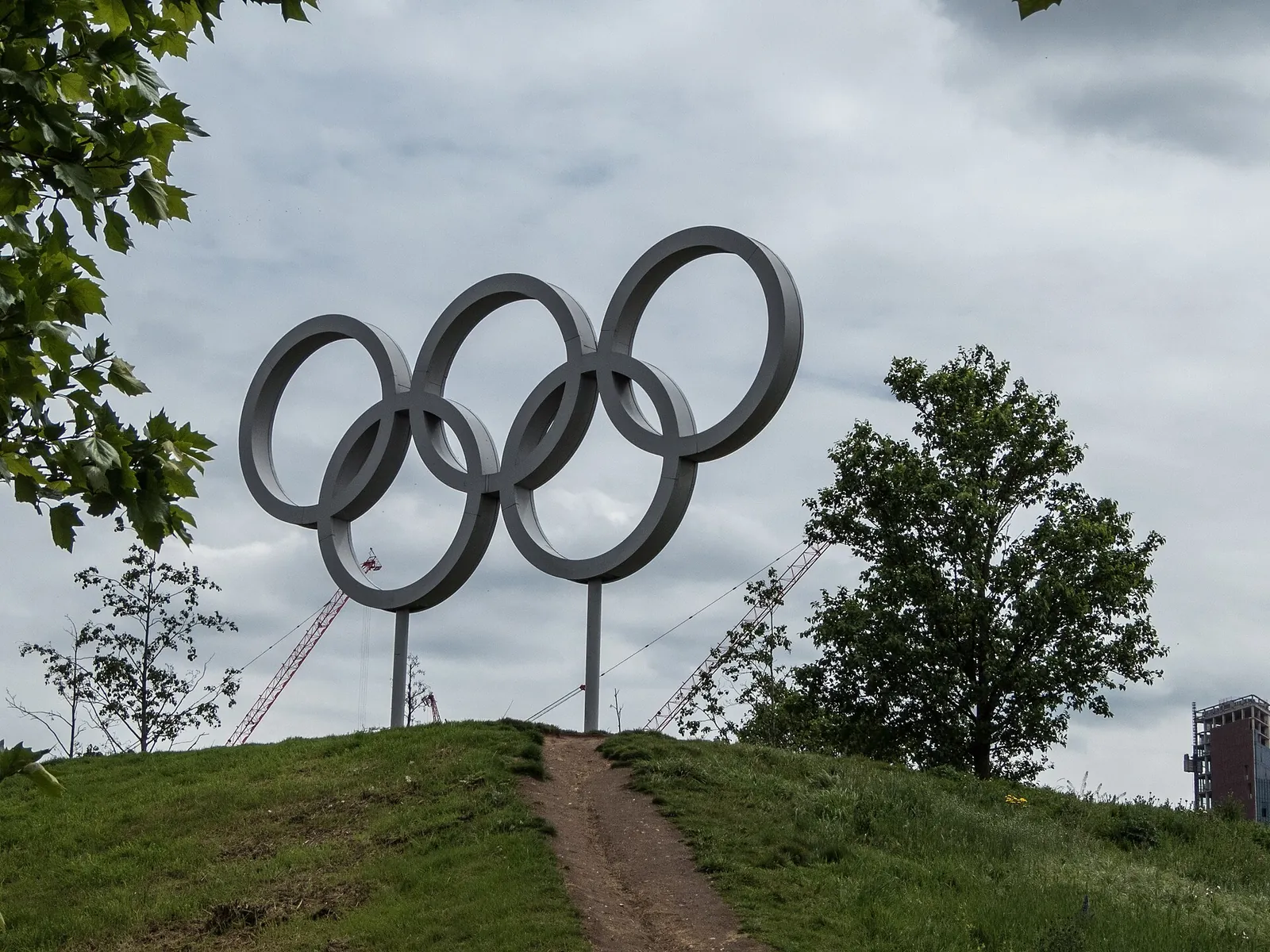
A bat survey in Stratford Town Centre should be coordinated with any appraisal of Queen Elizabeth Olympic Park, the River Lea and the Bow Back Rivers, which can provide foraging habitat. Forest Gate and Canning Town are areas covered on these pages.
The London Borough of Newham assesses impacts on bats under Policy GWS3 of Our Newham Local Plan 2026–2042, adopted on 2 November 2026, together with Policy G6 of the London Plan, published on 2 March 2021. Confirm the current local validation requirements with the council before submitting, because the last published requirements list predates the 2026 Local Plan.
Local plan: Our Newham Local Plan 2026–2042 (Our Newham Local Plan 2026–2042 was adopted on 2 November 2026 and is the adopted local plan. The previous Newham Local Plan 2018 and, within Newham, the LLDC Local Plan 2020 have been formally withdrawn. Stratford is now fully under the London Borough of Newham. The London Plan, published on 2 March 2021, also forms part of the development plan. There is no 2027 successor council for this borough.)
CE7: Managing flood risk
Policy CE7 requires all new development to avoid placing people or essential infrastructure at increased flood risk for the lifetime of the development, to assess risk from all sources using the Strategic Flood Risk Assessment, to apply the sequential test and, where necessary, the exception test, and to provide a flood risk assessment when required by national requirements, the SFRA and Environment Agency advice. Development should be set back a minimum of 16 metres from the landward side of tidal flood defences and eight metres from fluvial river defences. The Thames, the River Roding and the River Lea are the borough’s principal watercourses; the Thames and the Royal Docks neighbourhoods lie to the south of Stratford Town Centre, while the River Lea and the Bow Back Rivers adjoin Queen Elizabeth Olympic Park.
CE8: Sustainable drainage
Policy CE8 requires sustainable drainage in new development, following the London Plan drainage hierarchy, so that surface water is managed on site and flood risk is not increased elsewhere.
GWS4: Trees
Policy GWS4 of Our Newham Local Plan 2026–2042, adopted on 2 November 2026, requires development to protect trees and deliver a network of improved tree stock and canopy cover. It seeks a net increase in trees on all new development sites and requires an arboricultural report at the planning application stage for all new development with trees on or adjacent to the site. Loss is only supported in exceptional circumstances with adequate on-site replacement or a mitigating contribution. Major development that proposes to remove a tree must submit a CAVAT study.
GWS3: Biodiversity, urban greening, and access to nature
Policy GWS3 requires development to deliver a biodiversity net gain of at least 10 per cent, which restates the statutory minimum and does not set a higher local percentage. Major development, and all development close to a SINC or likely to affect protected or priority species, must submit an ecological assessment. The policy also applies the London Plan urban greening factor and Epping Forest Special Area of Conservation mitigation for net additional homes within 6.2 km of the SAC.
General guidance for bat survey, not formal advice for your site.
The London Borough of Newham. The London Plan also forms part of the development plan. The borough is the Lead Local Flood Authority. There is no 2027 successor council for this borough.
A bat survey is likely where buildings would be significantly altered or demolished, or where Policy GWS3 requires an ecological assessment because protected species may be affected. Confirm the current validation requirements with the council.
Yes. The London Plan, published on 2 March 2021, forms part of the development plan. Policy G6 requires development to manage impacts on biodiversity, including protected species.