Featured partner
Recommended for Wandsworth

ROAVR Group
Tree, ecology, flood risk and topographical surveys for planning applications.
4.9 Google rating
Get a quote
Local experts.
Featured partner
Recommended for Wandsworth
Tree, ecology, flood risk and topographical surveys for planning applications.
4.9 Google rating
Local experts.
Environmental and ecology consultancy with a London office at Holyrood Street, near…
London environmental consultancy based at Marshalsea Road, Southwark, formerly trading…
Independent ecology consultancy with its head office in Leatherhead, Surrey.
Environmental consultancy founded in 2004, with its head office on the Surrey Research…
Buildings and mature trees around Wandsworth Town Centre and Wandsworth Common are a frequent reason for a bat survey in Wandsworth. Where a preliminary appraisal finds roosting or commuting potential, further bat surveys may be needed before a decision can be made. The local planning authority is the London Borough of Wandsworth. Policy LP55 of the Wandsworth Local Plan, adopted on 19 July 2023, requires development to protect priority species and habitats, and the supporting text records that the borough hosts six species of bats. Policy G6 of the London Plan, published on 2 March 2021, also forms part of the development plan.
Local planning authority: London Borough of Wandsworth
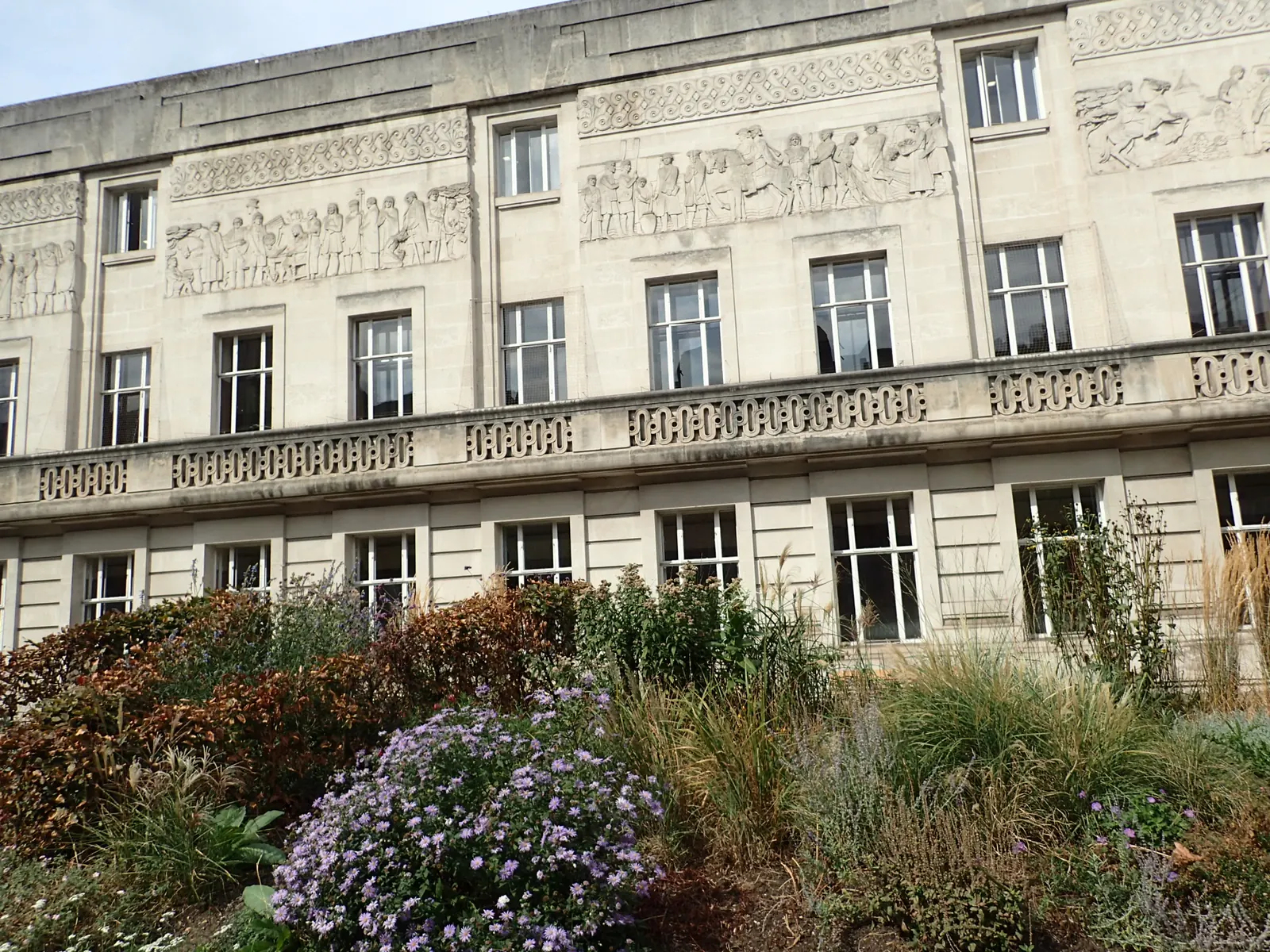
The River Wandle, the Wandle Delta, the River Thames, Beverley Brook and the well-treed commons provide commuting and roosting habitat. An appraisal or bat survey in Wandsworth Town Centre should consider lighting, river corridors and links toward Wandsworth Common, Tooting Bec Common and Battersea Park.
The London Borough of Wandsworth assesses bat and other protected-species issues under Policy LP55 of the Wandsworth Local Plan, adopted on 19 July 2023, together with Policy G6 of the London Plan, published on 2 March 2021, and the Conservation of Habitats and Species Regulations. The Local Validation Checklist of July 2026 requires a preliminary ecological appraisal where proposals affect biodiversity features, which often leads on to dedicated bat survey work. Confirm the current local validation requirements with the council before submitting.
Local plan: Wandsworth Local Plan 2023–2038 (adopted 19 July 2023), Wandsworth Local Plan Partial Review (adopted 4 March 2026) and The London Plan 2021 (published 2 March 2021) (The Wandsworth Local Plan 2023–2038 was adopted on 19 July 2023. The Local Plan Partial Review, adopted on 4 March 2026, replaces only Policies LP23, LP24, LP28, LP29, LP30 and LP31 (housing and affordable housing). All other 2023 policies, including those on trees, biodiversity and flood risk, remain in force. The London Plan 2021, published on 2 March 2021, also forms part of the development plan. The draft London Plan 2026 is in consultation and is not adopted. There is no 2027 successor council. The London Borough of Wandsworth is the local planning authority and the Lead Local Flood Authority.)
LP56: Tree Management and Landscaping
Requires the retention and protection of existing trees and landscape features, including veteran trees, and resists loss of trees of townscape or amenity value except in limited circumstances. Trees must be protected during development in accordance with BS5837, with appropriate on-site replacement or a CAVAT contribution where a tree is felled.
LP55: Biodiversity
Requires development to protect and enhance biodiversity, including designated sites, priority species and habitats, and to deliver a net gain in biodiversity through ecological enhancements. The supporting text identifies the River Thames, the River Wandle, Beverley Brook and railway land as protected biodiversity areas, and records bats, stag beetles and other protected species in the borough.
LP12: Water and Flooding
Requires all planning applications to demonstrate that proposals avoid or reduce contributing to all sources of flooding, take account of climate change, and would not increase flood risk elsewhere. Development is guided to areas of lower risk by the Sequential Test, and a Flood Emergency Plan is required in Flood Zones 2 and 3 on sites of 10 or more dwellings or 1,000 square metres of non-residential development, or where safe access cannot be achieved.
General guidance for bat survey, not formal advice for your site.
The London Borough of Wandsworth. The London Plan also forms part of the development plan. The borough is the Lead Local Flood Authority. There is no 2027 successor council for this borough.
Where a preliminary ecological appraisal finds roosting or commuting potential, including in buildings or trees near Wandsworth Common or the River Wandle, further bat surveys may be required before an application can be determined.
Yes. The London Plan, published on 2 March 2021, forms part of the development plan alongside the Wandsworth Local Plan adopted on 19 July 2023.