Featured partner
Recommended for Wokingham

ROAVR Group
Tree, ecology, flood risk and topographical surveys for planning applications.
4.9 Google rating
Get a quote
Local experts.
Featured partner
Recommended for Wokingham
Tree, ecology, flood risk and topographical surveys for planning applications.
4.9 Google rating
Local experts.
Hitchin land and environmental consultancy with its head office at Maydencroft Manor,…
Independent ecological consultancy with a Surrey office near Farnham, plus offices in…
Planning, architecture and ecology consultancy with a Newbury office at Liberty House,…
Environmental consultancy founded in 2004, with its head office on the Surrey Research…
Bat surveys in Wokingham are often needed where buildings or trees in the Wokingham town centre and Langborough Road Conservation Area, or around the Murdoch Road Conservation Area, could support roosts or foraging. Wokingham Borough Council is the local planning authority. A preliminary roost assessment is the usual first step, with further activity surveys where they are needed. Older buildings and mature trees in the Wokingham town centre and Langborough Road Conservation Area and around the Murdoch Road Conservation Area can provide roosting or commuting habitat. It is a historic market town and the administrative centre of its own borough, quite unlike the planned new town of Bracknell or Reading’s much larger commercial centre to the west. Confirm the current validation requirements with the council before submitting.
Local planning authority: Wokingham Borough Council
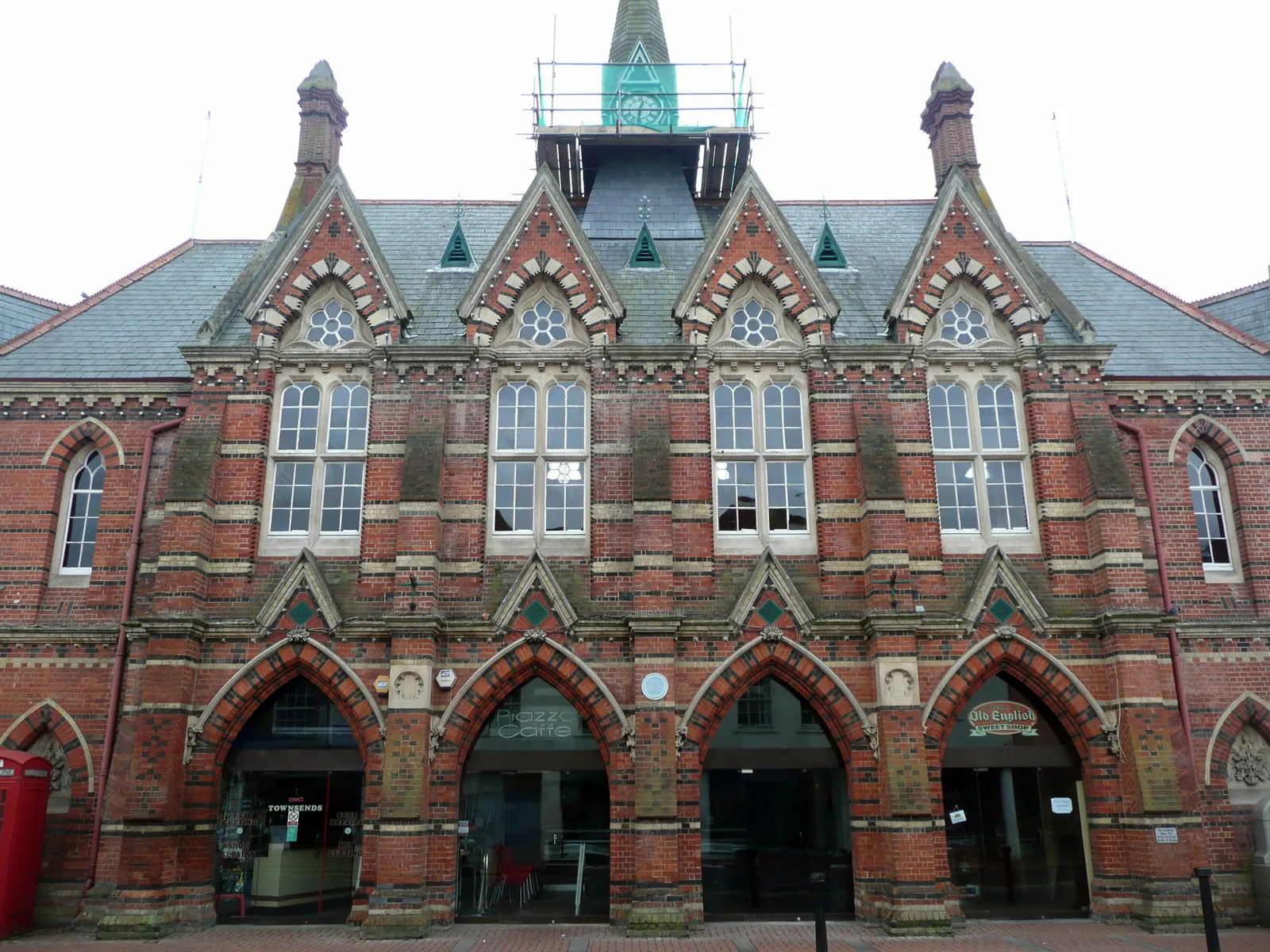
Wokingham is in the area of Wokingham Borough Council. It is a historic market town and the administrative centre of its own borough, quite unlike the planned new town of Bracknell or Reading’s much larger commercial centre to the west. The Wokingham town centre and Langborough Road Conservation Area and the Murdoch Road Conservation Area are the official features that shape bat survey work here. Wokingham Borough Council is also the Lead Local Flood Authority. There is no confirmed 2027 successor council for Berkshire.
In Wokingham, including around the Wokingham town centre and Langborough Road Conservation Area and around the Murdoch Road Conservation Area, the same adopted local plan policies apply. Wokingham Borough Council assesses ecology and protected species under Policy CP7 and Policy TB23 of the Wokingham Borough Core Strategy (2010) and Managing Development Delivery Local Plan (2014). Policy CP7 conserves sites of nature-conservation importance and resists harmful development unless need, alternatives, mitigation or compensation can be shown, and Policy TB23 requires proposals to incorporate biodiversity features, provide buffer zones and maintain wildlife corridors. Confirm the current validation requirements with the council before submitting.
Local plan: Wokingham Borough Core Strategy (2010) and Managing Development Delivery Local Plan (2014) (The Core Strategy, adopted on 29 January 2010, and the Managing Development Delivery Local Plan, adopted on 21 February 2014, together form the statutory local plan as of 15 November 2026. A Local Plan Update had not replaced them as of that date.)
CP7: Biodiversity
Policy CP7 (Biodiversity) says sites designated as of importance for nature conservation at an international or national level will be conserved and enhanced and inappropriate development will be resisted, with the degree of protection appropriate to the status of the site. Development which may harm Local Wildlife Sites, habitats or species of principal importance, veteran trees or important landscape features, or which compromises biodiversity action plans, will only be permitted if the need outweighs the nature-conservation interest, no less harmful alternative site is available, and mitigation or appropriate compensation can be provided.
TB23: Biodiversity and Development
Policy TB23 (Biodiversity and Development) says planning permission will only be granted where proposals comply with Policy CP7 and also demonstrate how they incorporate or enhance biodiversity features, provide appropriate buffer zones between development and designated sites as well as habitats and species of principal importance, and ensure ecological permeability through the protection of existing and the provision of new continuous wildlife corridors linked to the wider green infrastructure network.
CC10: Sustainable Drainage
Policy CC10 (Sustainable Drainage) says all development proposals must ensure surface water arising from the proposed development, taking into account climate change, is managed in a sustainable manner, demonstrated through a flood risk assessment or a surface water drainage strategy. Proposals must reproduce greenfield runoff characteristics where possible, incorporate sustainable drainage systems where practicable, provide clear details of adoption and maintenance to the satisfaction of the Council as Lead Local Flood Authority, and not cause adverse impacts to the public sewerage network.
General guidance for bat survey, not formal advice for your site.
Wokingham Borough Council. Wokingham Borough Council is also the Lead Local Flood Authority. There is no confirmed 2027 successor council for Berkshire.
Bat surveys in Wokingham are often needed where buildings or trees in the Wokingham town centre and Langborough Road Conservation Area, or around the Murdoch Road Conservation Area, could support roosts or foraging. Confirm the current validation requirements with the council.
Policy CP7 conserves sites of nature-conservation importance and resists harmful development unless need, alternatives, mitigation or compensation can be shown, and Policy TB23 requires proposals to incorporate biodiversity features, provide buffer zones and maintain wildlife corridors. Confirm the current validation requirements with the council.
No other published town guides for this survey in the council area yet.