Featured partner
Recommended for Harwich

ROAVR Group
Tree, ecology, flood risk and topographical surveys for planning applications.
4.9 Google rating
Get a quote
Local experts.
Featured partner
Recommended for Harwich
Tree, ecology, flood risk and topographical surveys for planning applications.
4.9 Google rating
Local experts.
Ecological consultancy whose own website states that it is based in Essex and lists…
Ecological consultancy of Essex Wildlife Trust, trading as Essex Ecology Services…
Arboricultural and ecological consultancy with a Kent office at The Watermill, Maidstone…
Ecological consultancy whose own site uses the trading identity Lamarsh, Essex, in…
Biodiversity net gain in Harwich needs to be measured where development could affect habitats in the Harwich Conservation Area or around the Lower Dovercourt Conservation Area. Tendring District Council is the local planning authority. Tendring District Council applies the statutory 10 per cent biodiversity net gain minimum. Policy PPL 4 seeks a net gain in biodiversity, but the council has not adopted a higher than statutory standard. After the National Planning Policy Framework published on 17 August 2026, qualifying applications are assessed against the statutory 10 per cent minimum except on a justified site allocation. Habitats in the Harwich Conservation Area and around the Lower Dovercourt Conservation Area can support bats, birds and other protected species. Confirm the current validation requirements with the council before submitting.
Local planning authority: Tendring District Council
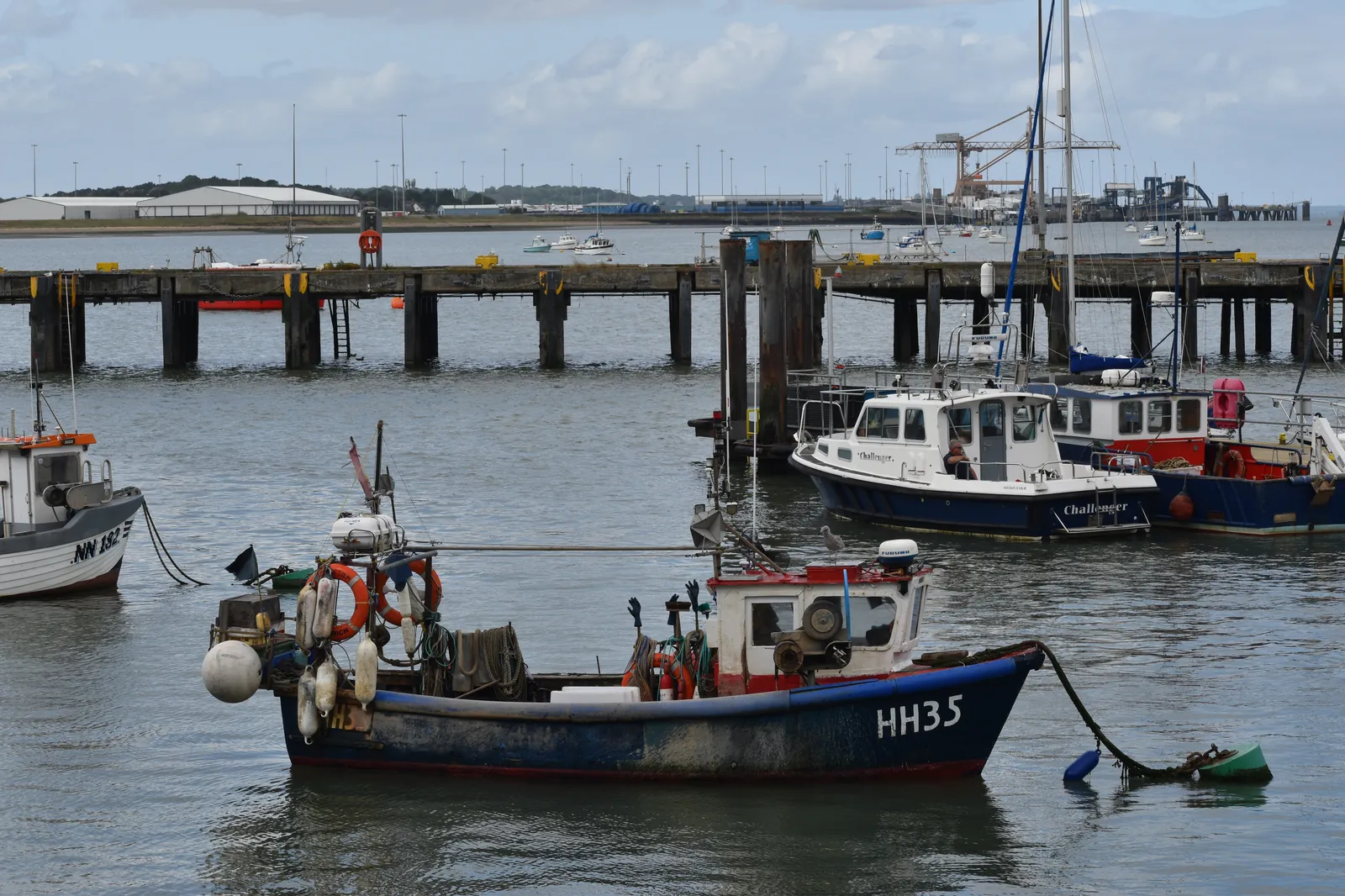
Harwich is in the area of Tendring District Council. It is a historic port at the mouth of the Stour and Orwell, quite unlike the seaside resort of Clacton-on-Sea to the south, with official conservation areas at Harwich, covering the old town and harbour, and at Lower Dovercourt, the adjoining historic seaside streets. The Harwich Conservation Area and the Lower Dovercourt Conservation Area are the official features that shape biodiversity net gain work here. Essex County Council is the Lead Local Flood Authority. There is no confirmed 2027 successor council for Essex.
In Harwich, including around the Harwich Conservation Area and around the Lower Dovercourt Conservation Area, the same adopted local plan policies apply. Tendring District Council applies the statutory 10 per cent biodiversity net gain minimum. Policy PPL 4 seeks a net gain in biodiversity, but the council has not adopted a higher than statutory standard. After the National Planning Policy Framework published on 17 August 2026, qualifying applications are assessed against the statutory 10 per cent minimum except on a justified site allocation. Confirm the current validation requirements with the council before submitting.
Local plan: Tendring District Local Plan 2013-2033 and Beyond (The Tendring District Local Plan 2013-2033 and Beyond is the statutory development plan as of 15 November 2026. Section 1 was adopted in January 2021 and Section 2 was adopted on 25 January 2022.)
PPL 4: Biodiversity and Geodiversity
Policy PPL 4 (Biodiversity and Geodiversity) of the Tendring District Local Plan Section 2 protects sites designated for their international, European and national importance to nature conservation, and seeks a network of interconnected green and blue spaces that secures a net gain in biodiversity and geodiversity.
PPL 1: Development and Flood Risk
Policy PPL 1 (Development and Flood Risk) of the Tendring District Local Plan 2013-2033 and Beyond Section 2, adopted on 25 January 2022, sets the requirements for development within a flood zone, including Flood Zones 2 and 3 as defined by the Environment Agency.
PPL 5: Water Conservation, Drainage and Sewerage
Policy PPL 5 (Water Conservation, Drainage and Sewerage) of the Tendring District Local Plan Section 2 seeks to ensure that all new development makes adequate provision for drainage and sewerage and includes sustainable drainage systems.
PPL 11: The Area of Special Character, Frinton-on-Sea
Policy PPL 11 of the Tendring District Local Plan 2013-2033 and Beyond Section 2 identifies the Area of Special Character at Frinton-on-Sea, covering The Avenues.
General guidance for biodiversity net gain (bng), not formal advice for your site.
Tendring District Council. Essex County Council is the Lead Local Flood Authority. There is no confirmed 2027 successor council for Essex.
Biodiversity net gain in Harwich needs to be measured where development could affect habitats in the Harwich Conservation Area or around the Lower Dovercourt Conservation Area. Confirm the current validation requirements with the council.
Tendring District Council applies the statutory 10 per cent biodiversity net gain minimum. Policy PPL 4 seeks a net gain in biodiversity, but the council has not adopted a higher than statutory standard. After the National Planning Policy Framework published on 17 August 2026, qualifying applications are assessed against the statutory 10 per cent minimum except on a justified site allocation. Confirm the current validation requirements with the council.