Featured partner
Recommended for Milton Keynes

ROAVR Group
Tree, ecology, flood risk and topographical surveys for planning applications.
4.9 Google rating
Get a quote
Local experts.
Featured partner
Recommended for Milton Keynes
Tree, ecology, flood risk and topographical surveys for planning applications.
4.9 Google rating
Local experts.
Hitchin land and environmental consultancy with its head office at Maydencroft Manor,…
CIEEM registered ecological consultancy, now part of Pell Frischmann, whose own contact…
Ecological and environmental consultancy whose own contact page publishes a Milton…
Biodiversity net gain in Milton Keynes needs to be measured where development could affect habitats in the Milton Keynes Village Conservation Area or at Grand Union Canal. Milton Keynes City Council is the local planning authority. Milton Keynes City Council applies the statutory 10 per cent biodiversity net gain minimum. Policy NE3 seeks to conserve and enhance biodiversity, but the council has not adopted a higher than statutory standard. After the National Planning Policy Framework published on 17 August 2026, qualifying applications are assessed against the statutory 10 per cent minimum except on a justified site allocation. Habitats in the Milton Keynes Village Conservation Area and at Grand Union Canal can support bats, birds and other protected species. Confirm the current validation requirements with the council before submitting.
Local planning authority: Milton Keynes City Council
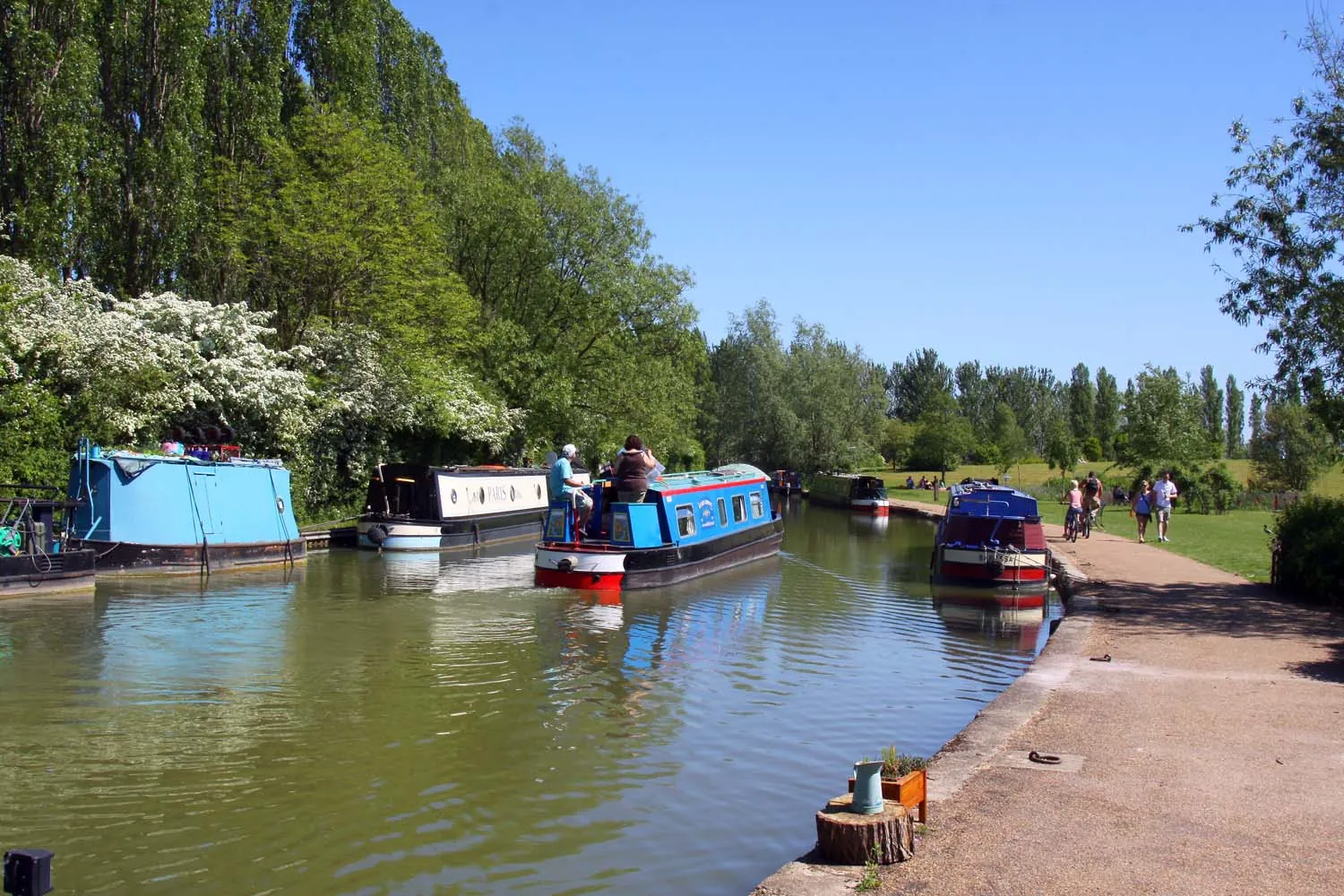
Milton Keynes is in the area of Milton Keynes City Council. It is the planned new city of Milton Keynes, with the historic Milton Keynes Village Conservation Area in the east of the city and the Grand Union Canal running through it, quite unlike Bletchley to the south or the market town of Newport Pagnell to the north. The Milton Keynes Village Conservation Area and the Grand Union Canal are the official features that shape biodiversity net gain work here. Milton Keynes City Council is also the Lead Local Flood Authority. There is no confirmed 2027 successor council for Buckinghamshire or Milton Keynes.
In Milton Keynes, including around the Milton Keynes Village Conservation Area and at Grand Union Canal, the same adopted local plan policies apply. Milton Keynes City Council applies the statutory 10 per cent biodiversity net gain minimum. Policy NE3 seeks to conserve and enhance biodiversity, but the council has not adopted a higher than statutory standard. After the National Planning Policy Framework published on 17 August 2026, qualifying applications are assessed against the statutory 10 per cent minimum except on a justified site allocation. Confirm the current validation requirements with the council before submitting.
Local plan: Plan:MK (Plan:MK, adopted on 20 March 2019, is the statutory local plan as of 15 November 2026 and covers 2016–2031. A later local plan had not been adopted as of that date.)
NE3: Biodiversity and Geological Enhancement
Policy NE3 (Biodiversity and Geological Enhancement) of Plan:MK requires development to maintain and protect biodiversity and geological resources, to seek measurable biodiversity net gain, and to secure mitigation, compensation and enhancement for the lifetime of the development. The policy does not set a higher than statutory percentage standard. Milton Keynes City Council applies the statutory 10 per cent biodiversity net gain minimum.
General guidance for biodiversity net gain (bng), not formal advice for your site.
Milton Keynes City Council. Milton Keynes City Council is also the Lead Local Flood Authority. There is no confirmed 2027 successor council for Buckinghamshire or Milton Keynes.
Biodiversity net gain in Milton Keynes needs to be measured where development could affect habitats in the Milton Keynes Village Conservation Area or at Grand Union Canal. Confirm the current validation requirements with the council.
Milton Keynes City Council applies the statutory 10 per cent biodiversity net gain minimum. Policy NE3 seeks to conserve and enhance biodiversity, but the council has not adopted a higher than statutory standard. After the National Planning Policy Framework published on 17 August 2026, qualifying applications are assessed against the statutory 10 per cent minimum except on a justified site allocation. Confirm the current validation requirements with the council.