Featured partner
Recommended for Walthamstow

ROAVR Group
Tree, ecology, flood risk and topographical surveys for planning applications.
4.9 Google rating
Get a quote
Local experts.
Featured partner
Recommended for Walthamstow
Tree, ecology, flood risk and topographical surveys for planning applications.
4.9 Google rating
Local experts.
London-based ecological consultancy in Muswell Hill.
Environmental and ecology consultancy with a London office at Holyrood Street, near…
London environmental consultancy based at Marshalsea Road, Southwark, formerly trading…
Environmental consultancy founded in 2004, with its head office on the Surrey Research…
Walthamstow Wetlands, the River Lea and Epping Forest form an important part of the wider setting for a biodiversity net gain assessment in Walthamstow. The assessment uses the statutory metric to show how a proposal will secure a measurable gain. The local planning authority is the London Borough of Waltham Forest. Policy 79 of the Waltham Forest Local Plan Part 1, adopted on 29 February 2024, requires development to demonstrate a minimum 10 per cent biodiversity net gain using the Defra Biodiversity Metric. That restates the statutory minimum and does not set a higher local percentage. After the National Planning Policy Framework published on 17 August 2026, qualifying applications are assessed against the statutory 10 per cent minimum except on a justified site allocation. Policy G6 of the London Plan, published on 2 March 2021, also forms part of the development plan.
Local planning authority: London Borough of Waltham Forest
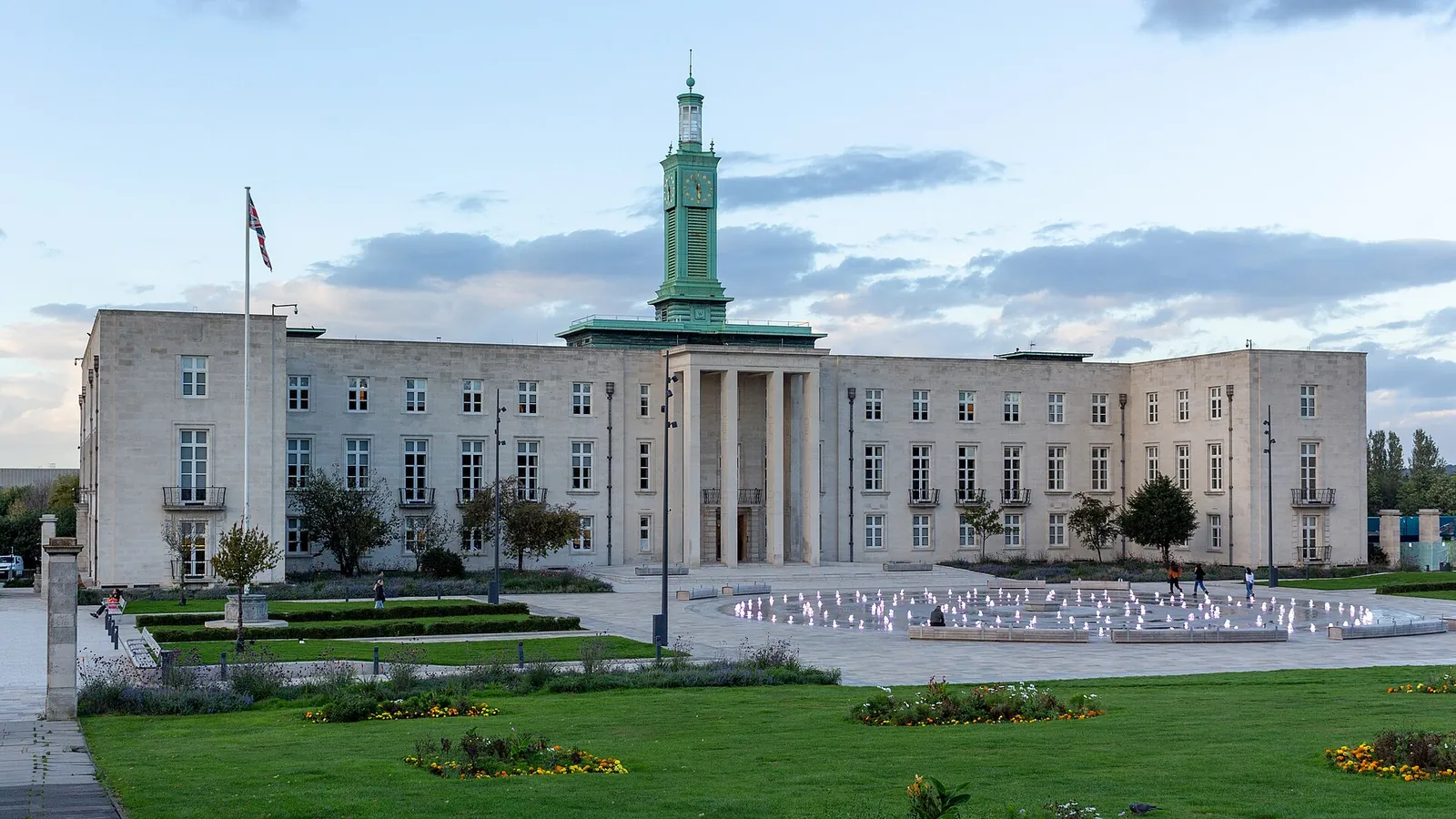
A net gain assessment in Walthamstow Town Centre or around Town Square should be read alongside any appraisal of Walthamstow Wetlands, the River Lea and Epping Forest, which lie to the west and north of the town rather than through the High Street. Policy 81 addresses mitigation for the Epping Forest Special Area of Conservation. Leyton and Leytonstone are areas covered on these pages.
The London Borough of Waltham Forest assesses biodiversity net gain under Policy 79 of the Waltham Forest Local Plan Part 1, adopted on 29 February 2024, together with the Environment Act 2021 and Policy G6 of the London Plan, published on 2 March 2021. Policy 79 requires a minimum 10 per cent gain, which is the statutory minimum rather than a higher local standard. Policy 81 may also apply to residential schemes within the Epping Forest Special Area of Conservation zone of influence. Confirm the current local validation requirements with the council before submitting.
Local plan: Waltham Forest Local Plan Part 1: Shaping the Borough 2020–2035 (The Waltham Forest Local Plan Part 1: Shaping the Borough 2020–2035 was adopted on 29 February 2024 and is the adopted strategic local plan. The London Plan, published on 2 March 2021, also forms part of the development plan. There is no 2027 successor council for this borough.)
80: Trees
Policy 80 of the Waltham Forest Local Plan Part 1, adopted on 29 February 2024, addresses trees and requires an arboricultural report where trees would be affected.
79: Biodiversity and Geodiversity
Policy 79 requires development to demonstrate a minimum 10 per cent biodiversity net gain using the Defra Biodiversity Metric. That restates the statutory minimum and does not set a higher local percentage.
81: Epping Forest and the EFSAC
Policy 81 addresses Epping Forest and the Epping Forest Special Area of Conservation, including mitigation for residential development within the relevant zone of influence.
83: Protecting and Enhancing Waterways and River Corridors
Policy 83 protects and enhances waterways and river corridors, including the River Lea and related open spaces at the west of the borough.
91: Managing Flood Risk
Policy 91 addresses the management of flood risk, including flood risk assessment and sustainable drainage.
General guidance for biodiversity net gain (bng), not formal advice for your site.
The London Borough of Waltham Forest. The London Plan also forms part of the development plan. The borough is the Lead Local Flood Authority. There is no 2027 successor council for this borough.
No. Policy 79 requires a minimum 10 per cent biodiversity net gain, which restates the statutory minimum. Qualifying applications are assessed against that 10 per cent minimum except on a justified site allocation.
Yes. The London Plan, published on 2 March 2021, forms part of the development plan. Policy G6 requires development to manage impacts on biodiversity and to aim for a net gain.
No other published town guides for this survey in the council area yet.