Featured partner
Recommended for Canary Wharf

ROAVR Group
Tree, ecology, flood risk and topographical surveys for planning applications.
4.9 Google rating
Get a quote
Local experts.
Featured partner
Recommended for Canary Wharf
Tree, ecology, flood risk and topographical surveys for planning applications.
4.9 Google rating
Local experts.
Civil and structural engineering practice with a London office in Lambeth.
Transport and civil engineering consultancy with a Surrey office in Godalming and a…
Transport planning and infrastructure consultancy with its main office on North Street…
Civil and structural engineering consultancy whose London office is in Sutton town centre.
Canary Wharf sits on the Isle of Dogs, bounded by the River Thames and the West India Docks, so flood risk and drainage are a frequent issue, including residual tidal flood risk behind the Thames Barrier and local defences. The local planning authority and Lead Local Flood Authority is the London Borough of Tower Hamlets. Policy D.ES4 of the Tower Hamlets Local Plan 2031, adopted on 15 January 2020, addresses flood risk, and Policy D.ES5 requires sustainable drainage. The council’s local validation list includes flood risk assessment and drainage strategy pages; confirm the current requirements with the council. Policy SI12 of the London Plan, published on 2 March 2021, also forms part of the development plan.
Local planning authority: London Borough of Tower Hamlets
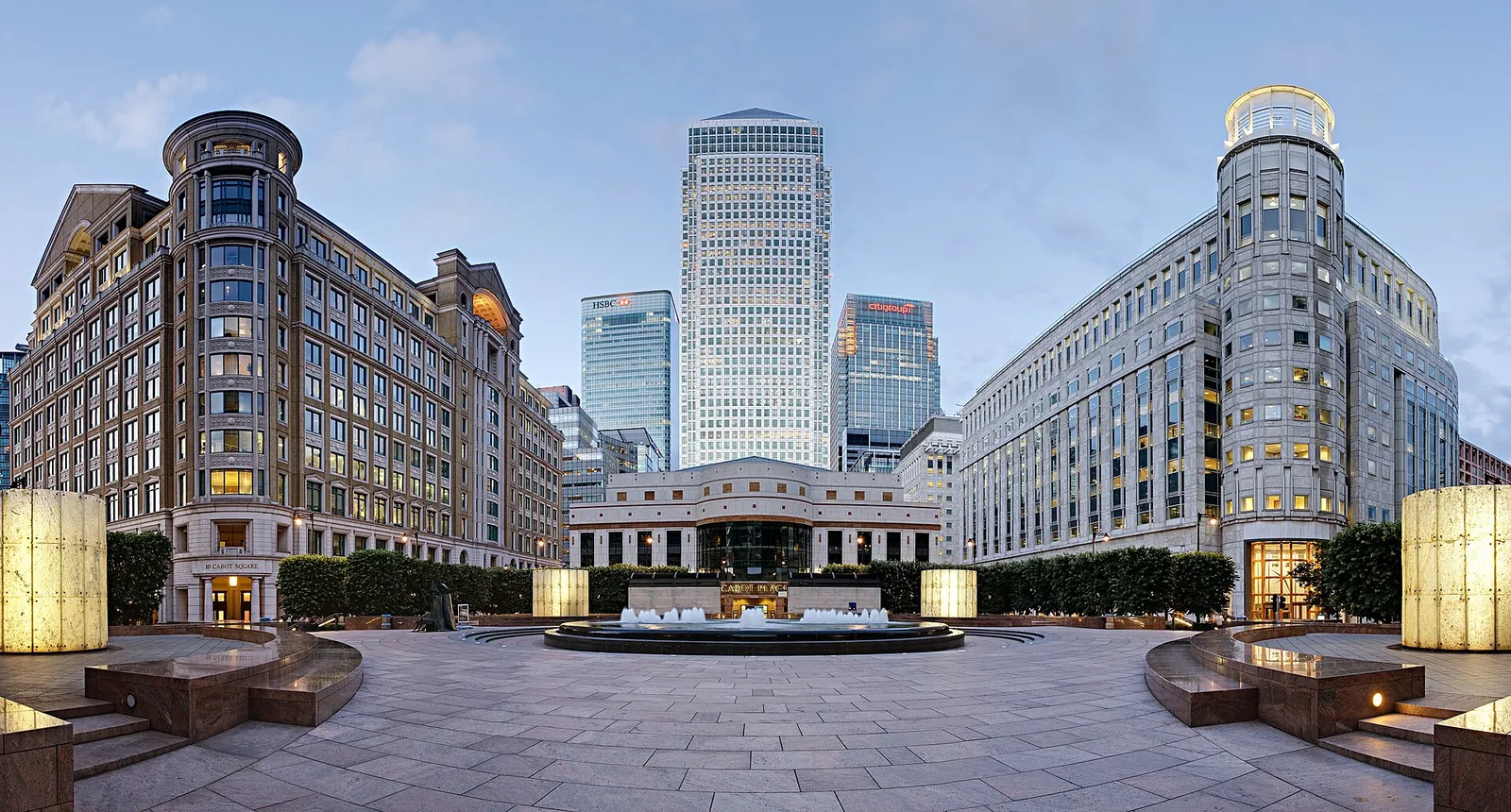
A flood risk assessment at Canary Wharf should consider residual tidal flood risk, the River Thames, the West India Docks and the setting of One Canada Square on the Isle of Dogs. The River Lea bounds the sub-area to the east. Whitechapel and Chrisp Street are areas covered on these pages.
The London Borough of Tower Hamlets, as local planning authority and Lead Local Flood Authority, assesses flood risk under Policy D.ES4 and sustainable drainage under Policy D.ES5 of the Tower Hamlets Local Plan 2031, adopted on 15 January 2020, together with Policies SI12 and SI13 of the London Plan, published on 2 March 2021. The council’s local validation list is published as web pages, so confirm the current local validation requirements with the council before submitting.
Local plan: Tower Hamlets Local Plan 2031: Managing Growth and Sharing Benefits (The Tower Hamlets Local Plan 2031: Managing Growth and Sharing Benefits was adopted on 15 January 2020 and remains the adopted local plan. The London Plan, published on 2 March 2021, also forms part of the development plan. There is no 2027 successor council for this borough.)
D.ES3: Urban greening and biodiversity
Policy D.ES3 of the Tower Hamlets Local Plan 2031, adopted on 15 January 2020, addresses urban greening and biodiversity, including trees and net gain. It does not set a biodiversity net gain percentage above the national minimum.
D.ES4: Flood risk
Policy D.ES4 addresses flood risk, including residual tidal risk behind the Thames Barrier and flood defences on the Isle of Dogs.
D.ES5: Sustainable drainage
Policy D.ES5 requires sustainable drainage in new development.
General guidance for flood risk and drainage assessment, not formal advice for your site.
The London Borough of Tower Hamlets. The London Plan also forms part of the development plan. The borough is the Lead Local Flood Authority. There is no 2027 successor council for this borough.
The London Borough of Tower Hamlets. It is also the local planning authority. The London Plan forms part of the development plan. There is no 2027 successor council for this borough.
Yes. The London Plan, published on 2 March 2021, forms part of the development plan. Policies SI12 and SI13 address flood risk management and sustainable drainage.
No other published town guides for this survey in the council area yet.