Featured partner
Recommended for City of London

ROAVR Group
Tree, ecology, flood risk and topographical surveys for planning applications.
4.9 Google rating
Get a quote
Local experts.
Featured partner
Recommended for City of London
Tree, ecology, flood risk and topographical surveys for planning applications.
4.9 Google rating
Local experts.
Environmental and ecology consultancy with a London office at Holyrood Street, near…
London environmental consultancy based at Marshalsea Road, Southwark, formerly trading…
London-based ecological consultancy in Muswell Hill.
Environmental consultancy founded in 2004, with its head office on the Surrey Research…
Even dense plots around Bank can support bats, nesting birds and planted habitat, especially in the churchyard setting of St Paul's Cathedral and toward the River Thames. The City of London Corporation requires developments to promote biodiversity, to incorporate features for wildlife, and to maintain habitats within Sites of Importance for Nature Conservation. A preliminary ecological appraisal is the usual first survey to identify habitats, the likelihood of protected species, and whether further surveys are needed before an application is submitted. Sites in the City Flood Risk Area should also record drainage features at this stage so that later habitat design works with any SuDS.
Local planning authority: City of London Corporation
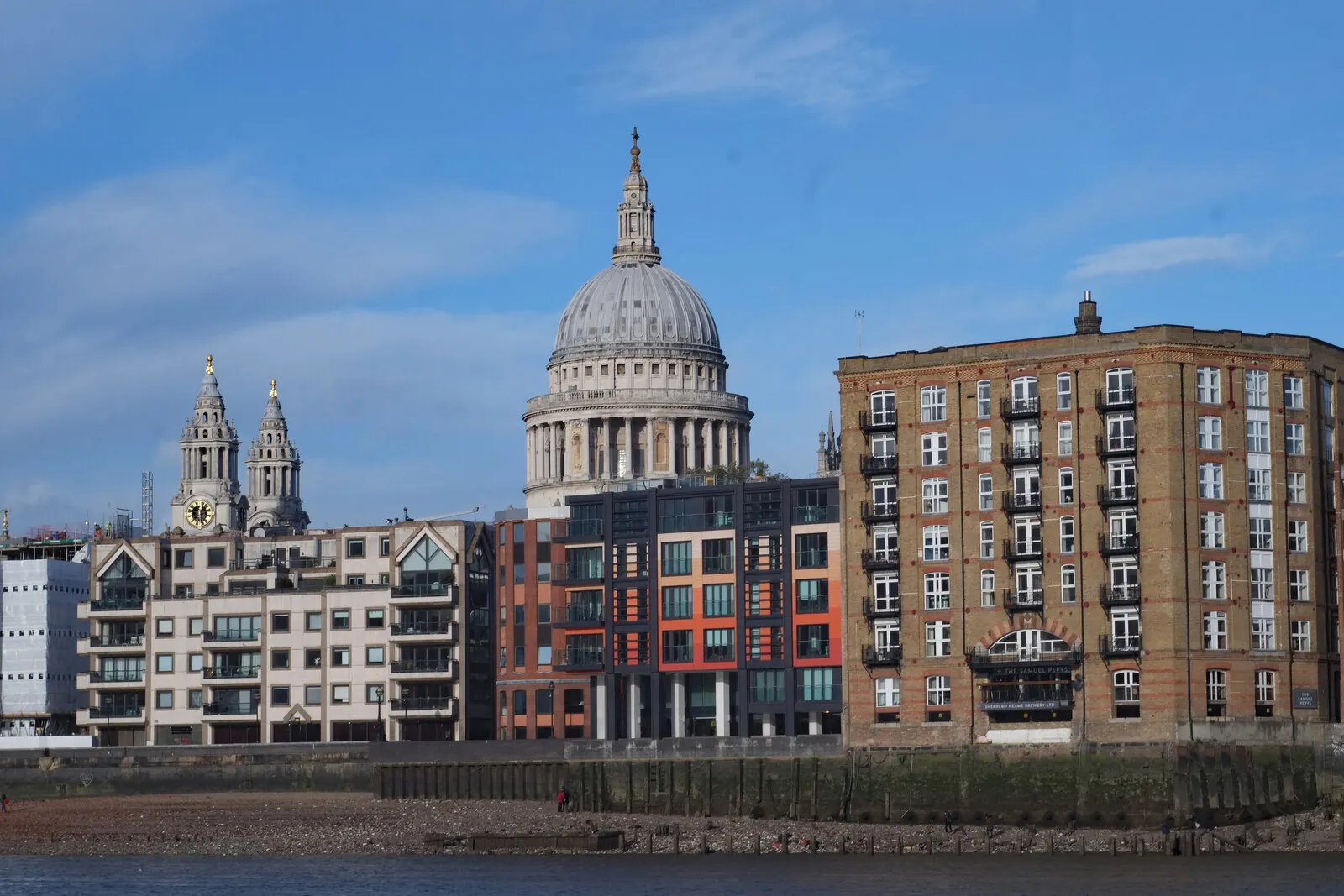
A preliminary ecological appraisal is often warranted for sites around Bank, in the setting of St Paul's Cathedral or toward the River Thames, where buildings, courtyards and riverside structures may support protected or priority species. The City Flood Risk Area and any drainage features should be recorded in the walkover.
The City of London Corporation assesses ecology under Policy DM19.2 and Core Strategic Policy CS19 of the City of London Local Plan, adopted on 15 January 2015. Confirm the current local validation requirements with the council before submitting.
Local plan: City of London Local Plan (The City of London Local Plan was adopted on 15 January 2015 and remains the adopted local plan. City Plan 2040 has been examined and is recommended for adoption by the Court of Common Council on 3 December 2026, to take effect on 4 December 2026, but it is not yet adopted. The London Plan, published on 2 March 2021, also forms part of the development plan. There is no 2027 successor council for the City of London.)
DM18.2: Sustainable drainage systems (SuDS)
Policy DM18.2 requires the design of the surface water drainage system to be integrated into the design of proposed buildings or landscaping where feasible and practical, and to follow the SuDS management train and London Plan drainage hierarchy. SuDS designs must take account of the City's archaeological heritage, complex underground utilities, transport infrastructure and other underground structures, incorporating suitable elements for the City's high density urban situation. SuDS should be designed, where possible, to maximise contributions to water resource efficiency, biodiversity enhancement and the provision of multifunctional open spaces.
CS19: Open Spaces and Recreation
Core Strategic Policy CS19 of the City of London Local Plan, adopted on 15 January 2015, seeks to increase the amount and quality of open spaces and green infrastructure while enhancing biodiversity. It includes protecting the amenity value of trees and retaining and planting more trees wherever practicable, increasing the biodiversity value of open spaces with particular attention to sites of importance for nature conservation such as the River Thames, and encouraging high quality green roofs, roof gardens and terraces.
DM19.2: Biodiversity and urban greening
Policy DM19.2 requires developments to promote biodiversity and contribute to urban greening by incorporating green roofs and walls, soft landscaping and trees; features for wildlife such as nesting boxes and beehives; a planting mix which encourages biodiversity; planting which will be resilient to a range of climate conditions; and maintenance of habitats within Sites of Importance for Nature Conservation. Supporting text requires that where existing green infrastructure is disturbed, removed or damaged as a result of development, it must be replaced with good quality urban greening. There should be no net loss of green infrastructure, and existing trees should be replaced with trees of an equivalent size and quality. The policy does not set a biodiversity net gain percentage above the statutory 10 per cent minimum.
CS18: Flood Risk
Core Strategic Policy CS18 seeks to ensure that the City remains at low risk from all types of flooding. Development in the City Flood Risk Area should seek opportunities to deliver a reduction in flood risk compared with the existing situation. Flood Risk Assessments must be submitted in support of all planning applications in the City Flood Risk Area, which comprises Environment Agency Flood Zones 2 and 3 and surface water flood risk hotspots, and for major development proposals elsewhere. Existing flood defences along the riverside must be protected and enhanced, and development adjacent to the River Thames must be designed to allow for maintenance of flood defences. Surface water flood risk should be reduced by applying the London Plan drainage hierarchy and by using suitable Sustainable Drainage Systems such as green roofs and rainwater attenuation throughout the City.
General guidance for preliminary ecological appraisal (pea), not formal advice for your site.
The City of London Corporation. The London Plan also forms part of the development plan. The City Corporation is the Lead Local Flood Authority. There is no 2027 successor council for the City of London.
It is the usual first survey where a site could affect habitats or protected species, including plots around Bank, in the setting of St Paul's Cathedral and toward the River Thames. Confirm the current local validation requirements with the council before submitting.
Yes. The London Plan, published on 2 March 2021, forms part of the development plan. Policy G6 is the London Plan policy most often read alongside a preliminary ecological appraisal.
No other published town guides for this survey in the council area yet.