Featured partner
Recommended for Bicester

ROAVR Group
Tree, ecology, flood risk and topographical surveys for planning applications.
4.9 Google rating
Get a quote
Local experts.
Featured partner
Recommended for Bicester
Tree, ecology, flood risk and topographical surveys for planning applications.
4.9 Google rating
Local experts.
Ecological consultancy, part of the Aspect practice, whose own contact page publishes a…
Ecological consultancy whose own contact page publishes an Oxford office at Hampden…
Ecological consultancy whose own contact page publishes offices at Hexagon Business…
Ecological consultancy whose own contact page publishes an Oxfordshire office at 18 Di…
A protected species survey in Bicester is often needed where work could affect the Bicester Conservation Area, or the RAF Bicester Conservation Area. Cherwell District Council is the local planning authority. Policy ESD 10 seeks a net gain in biodiversity and encourages the protection of trees, and Cherwell District Council applies the statutory 10 per cent biodiversity net gain minimum. Habitats in the Bicester Conservation Area and at the RAF Bicester Conservation Area can support bats, birds and other protected species. It is a historic market town around the Bicester Conservation Area and the RAF Bicester Conservation Area, quite unlike Banbury to the north-west. Confirm the current validation requirements with the council before submitting.
Local planning authority: Cherwell District Council
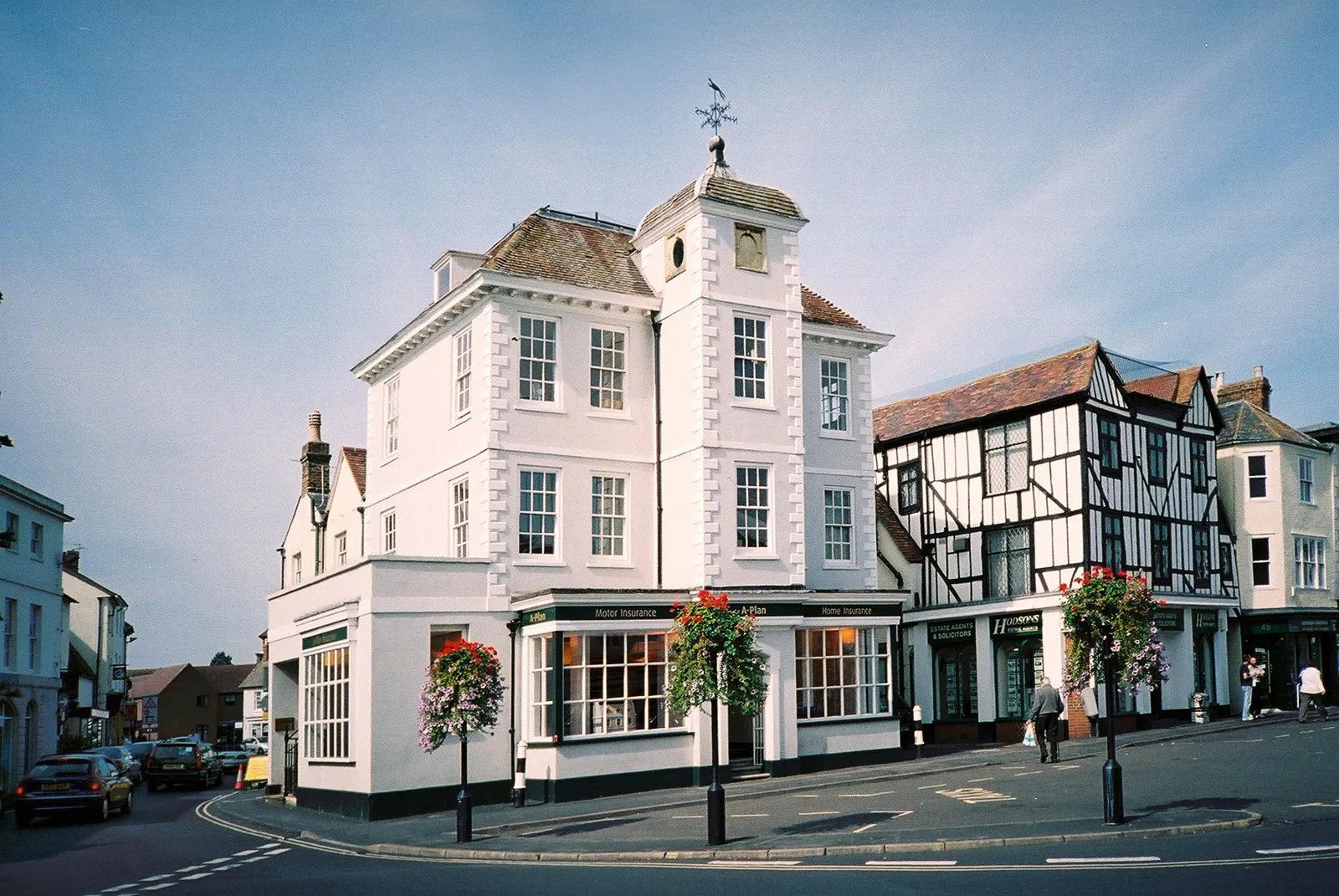
Bicester is in the area of Cherwell District Council. It is a historic market town around the Bicester Conservation Area and the RAF Bicester Conservation Area, quite unlike Banbury to the north-west. The adopted Cherwell Local Plan 2011-2031 (Part 1) applies here. The Bicester Conservation Area and the RAF Bicester Conservation Area are the official features that shape protected species survey work here. Oxfordshire County Council is the Lead Local Flood Authority. There is no confirmed successor council for Oxfordshire.
In Bicester, including around the Bicester Conservation Area and at the RAF Bicester Conservation Area, the same adopted local plan policies apply. Cherwell District Council assesses protected species under Policy ESD 10 of the Cherwell Local Plan 2011-2031 (Part 1). Policy ESD 10 (Protection and Enhancement of Biodiversity and the Natural Environment) of the Cherwell Local Plan 2011-2031 (Part 1), adopted on 20 July 2015, seeks a net gain in biodiversity by protecting, managing, enhancing and extending existing resources, and encourages the protection of trees with an aim to increase the number of trees in the District. The policy does not set a higher than statutory biodiversity net gain percentage. Cherwell District Council applies the statutory 10 per cent minimum. Confirm the current validation requirements with the council before submitting.
Local plan: Cherwell Local Plan 2011-2031 (Part 1) (adopted)
ESD 10: Protection and Enhancement of Biodiversity and the Natural Environment
Policy ESD 10 (Protection and Enhancement of Biodiversity and the Natural Environment) of the Cherwell Local Plan 2011-2031 (Part 1), adopted on 20 July 2015, seeks a net gain in biodiversity by protecting, managing, enhancing and extending existing resources, and encourages the protection of trees with an aim to increase the number of trees in the District. The policy does not set a higher than statutory biodiversity net gain percentage. Cherwell District Council applies the statutory 10 per cent minimum.
ESD 6: Sustainable Flood Risk Management
Policy ESD 6 (Sustainable Flood Risk Management) of the Cherwell Local Plan 2011-2031 (Part 1), adopted on 20 July 2015, provides that the Council will manage and reduce flood risk through a sequential approach, locating vulnerable developments in areas at lower risk of flooding, and requires site-specific flood risk assessments for development in Flood Zones 2 or 3, for development of one hectare or more in Flood Zone 1, and for sites known to have experienced flooding problems or located within nine metres of any watercourse.
ESD 15: The Character of the Built and Historic Environment
Policy ESD 15 (The Character of the Built and Historic Environment) of the Cherwell Local Plan 2011-2031 (Part 1), adopted on 20 July 2015, requires new development to complement and enhance the character of its context, including conservation areas and their settings, and to conserve, sustain and enhance designated and non-designated heritage assets.
General guidance for protected species survey, not formal advice for your site.
Cherwell District Council. Oxfordshire County Council is the Lead Local Flood Authority. There is no confirmed successor council for Oxfordshire.
A protected species survey in Bicester is often needed where development could affect species or habitats in the Bicester Conservation Area or at the RAF Bicester Conservation Area. Confirm the current validation requirements with the council.
The Bicester Conservation Area and the RAF Bicester Conservation Area are official features that can support protected species. Confirm the current validation requirements with the council.