Featured partner
Recommended for Loughton

ROAVR Group
Tree, ecology, flood risk and topographical surveys for planning applications.
4.9 Google rating
Get a quote
Local experts.
Featured partner
Recommended for Loughton
Tree, ecology, flood risk and topographical surveys for planning applications.
4.9 Google rating
Local experts.
London-based ecological consultancy in Muswell Hill.
Environmental and ecology consultancy with a London office at Holyrood Street, near…
Environmental consultancy founded in 2004, with its head office on the Surrey Research…
London environmental consultancy based at Marshalsea Road, Southwark, formerly trading…
Protected species surveys in Loughton often start with woodland edge habitat at Epping Forest SAC, the York Hill Conservation Area, Staples Road Conservation Area and Baldwins Hill Conservation Area, and the River Roding. The local planning authority is Epping Forest District Council. Policy DM1 of the Local Plan 2011-2033, adopted on 6 March 2023, requires development to protect habitats and species, and Policy DM2 requires no adverse effect on the integrity of Epping Forest SAC. A preliminary ecological appraisal should set out which surveys are needed.
Local planning authority: Epping Forest District Council
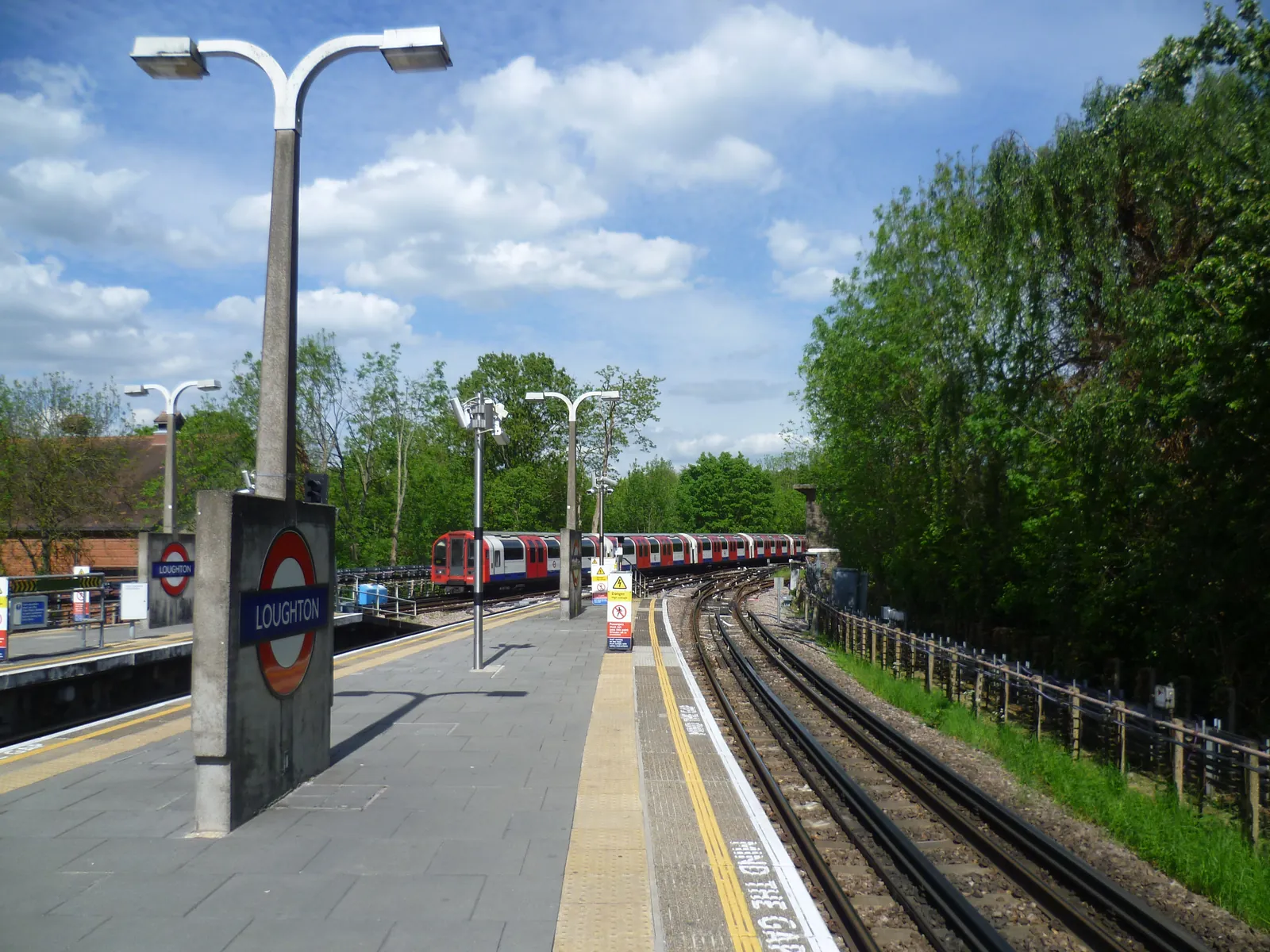
Epping Forest SAC and The Hills can support bats and other woodland species. The River Roding is the main riparian corridor on the east side of town, and Metropolitan Green Belt wraps the edges. A preliminary ecological appraisal should set out which species surveys are needed, and whether Habitats Regulations assessment is required.
Epping Forest District Council assesses effects on protected and priority species under Policy DM1 of the Local Plan 2011-2033, adopted on 6 March 2023, together with Policy DM2 where there could be an effect on Epping Forest SAC. Confirm the current validation requirements with the council before submitting.
Local plan: Epping Forest District Local Plan 2011-2033 (Adopted on 6 March 2023 and still in force as of 13 November 2026.)
DM1: Habitat Protection and Improving Biodiversity
Requires all development to seek to deliver net biodiversity gain in addition to protecting existing habitats and species, to avoid harm to habitats, species and corridors, and not to permit significant impacts on internationally or nationally designated sites. The loss of irreplaceable habitats such as veteran trees and ancient woodland will not be permitted unless the need and benefits clearly outweigh the loss. Monitoring of mitigation, compensation and offsetting may be secured by condition.
General guidance for protected species survey, not formal advice for your site.
Epping Forest District Council is the local planning authority.
Policy DM1 and Policy DM2 apply where protected species, their habitats or Epping Forest SAC could be affected. A PEA should identify whether further species surveys are required. Confirm the current validation requirements with the council.
Sites on the edge of Epping Forest SAC and in the York Hill Conservation Area, Staples Road Conservation Area and Baldwins Hill Conservation Area can support bats and other woodland species, and the River Roding can support riparian wildlife. A PEA should confirm what applies on the specific site.