Featured partner
Recommended for Luton

ROAVR Group
Tree, ecology, flood risk and topographical surveys for planning applications.
4.9 Google rating
Get a quote
Local experts.
Featured partner
Recommended for Luton
Tree, ecology, flood risk and topographical surveys for planning applications.
4.9 Google rating
Local experts.
Hitchin land and environmental consultancy with its head office at Maydencroft Manor,…
Environmental consultancy trading as CSA Environmental, with a Hertfordshire office at…
Ecological consultancy and CIEEM Registered Practice whose own site publishes a trading…
CIEEM registered ecological consultancy, now part of Pell Frischmann, whose own contact…
A protected species survey in Luton is often needed where work could affect the Town Centre Conservation Area, or the Plaiters' Lea: The Hat District Conservation Area. Luton Borough Council is the local planning authority. Policy LLP28 supports a net gain in the conservation and enhancement of sites and requires an ecological assessment, normally including a phase 1 habitat survey, where an adverse effect is likely. Luton Borough Council applies the statutory 10 per cent biodiversity net gain minimum. Habitats in the Town Centre Conservation Area and at the Plaiters' Lea: The Hat District Conservation Area can support bats, birds and other protected species. It is the hat-manufacturing town around the Town Centre Conservation Area and the Plaiters' Lea: The Hat District Conservation Area, quite unlike Dunstable or Houghton Regis. Confirm the current validation requirements with the council before submitting.
Local planning authority: Luton Borough Council
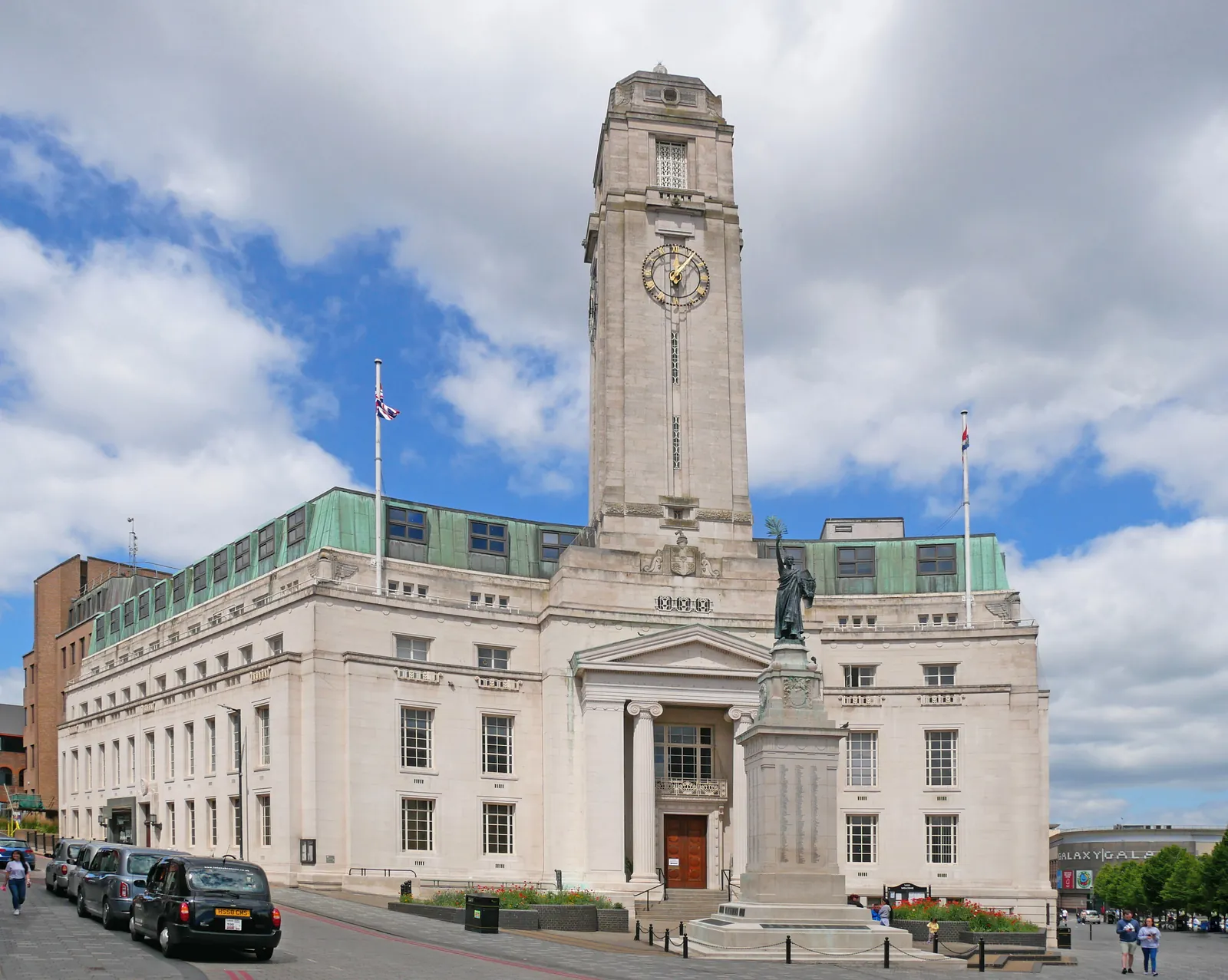
Luton is in the area of Luton Borough Council. It is the hat-manufacturing town around the Town Centre Conservation Area and the Plaiters' Lea: The Hat District Conservation Area, quite unlike Dunstable or Houghton Regis. The adopted Luton Local Plan (2011 to 2031) applies here. The Town Centre Conservation Area and the Plaiters' Lea: The Hat District Conservation Area are the official features that shape protected species survey work here. Luton Borough Council is the Lead Local Flood Authority. There is no confirmed successor council for Luton.
In Luton, including around the Town Centre Conservation Area and at the Plaiters' Lea: The Hat District Conservation Area, the same adopted local plan policies apply. Luton Borough Council assesses protected species under Policy LLP28 of the Luton Local Plan (2011 to 2031). Policy LLP28 (Biodiversity and Nature Conservation) of the Luton Local Plan (2011 to 2031), adopted on 7 November 2017, provides that the Council will work with partner organisations to positively assess, manage and designate sites and ecological networks, including giving support to development proposals that add to the net stock of wildlife habitats or where they help to deliver a net gain in the conservation and enhancement of such sites. The protection given will be commensurate with their status. Where there is a reasonable likelihood that a development proposal could have an adverse effect on habitats or species of biodiversity interest, the prospective developer will be required to submit an ecological assessment with the planning application, which should normally include a phase 1 habitat survey and protected species information. The policy does not set a higher than statutory biodiversity net gain percentage. Luton Borough Council applies the statutory 10 per cent minimum. Confirm the current validation requirements with the council before submitting.
Local plan: Luton Local Plan (2011 to 2031) (adopted)
LLP29: Landscape and Geological Conservation
Policy LLP29 (Landscape and Geological Conservation) of the Luton Local Plan (2011 to 2031), adopted on 7 November 2017, provides that development proposals will be supported where they protect, conserve or enhance the character, setting and natural beauty of national and local landscape areas, including the special character, natural beauty, landscape and setting of the Chilterns Area of Outstanding Natural Beauty.
LLP28: Biodiversity and Nature Conservation
Policy LLP28 (Biodiversity and Nature Conservation) of the Luton Local Plan (2011 to 2031), adopted on 7 November 2017, provides that the Council will work with partner organisations to positively assess, manage and designate sites and ecological networks, including giving support to development proposals that add to the net stock of wildlife habitats or where they help to deliver a net gain in the conservation and enhancement of such sites. The protection given will be commensurate with their status. Where there is a reasonable likelihood that a development proposal could have an adverse effect on habitats or species of biodiversity interest, the prospective developer will be required to submit an ecological assessment with the planning application, which should normally include a phase 1 habitat survey and protected species information. The policy does not set a higher than statutory biodiversity net gain percentage. Luton Borough Council applies the statutory 10 per cent minimum.
LLP36: Flood Risk
Policy LLP36 (Flood Risk) of the Luton Local Plan (2011 to 2031), adopted on 7 November 2017, provides that the risk and impact of flooding will be minimised by directing new development to areas with the lowest probability of flooding; ensuring that all new development addresses flood resilience and the effective management of flood risk, including opportunities for appropriate dry access for emergency vehicles; ensuring that development does not increase the risk of flooding elsewhere, including cumulative impact on adjoining and surrounding land and in the wider catchment; and ensuring wider environmental benefits of development in relation to flood risk. Emergency plans should accompany flood risk assessments for all more and highly vulnerable developments, as well as less vulnerable developments with greater than 10 people working or living at the site. Critical Drainage Areas are identified in Luton's Surface Water Management Plan (2012). Luton Borough Council is the Lead Local Flood Authority.
General guidance for protected species survey, not formal advice for your site.
Luton Borough Council. Luton Borough Council is the Lead Local Flood Authority. There is no confirmed successor council for Luton.
A protected species survey in Luton is often needed where development could affect species or habitats in the Town Centre Conservation Area or at the Plaiters' Lea: The Hat District Conservation Area. Confirm the current validation requirements with the council.
The Town Centre Conservation Area and the Plaiters' Lea: The Hat District Conservation Area are official features that can support protected species. Confirm the current validation requirements with the council.
No other published town guides for this survey in the council area yet.