Featured partner
Recommended for Rickmansworth

ROAVR Group
Tree, ecology, flood risk and topographical surveys for planning applications.
4.9 Google rating
Get a quote
Local experts.
Featured partner
Recommended for Rickmansworth
Tree, ecology, flood risk and topographical surveys for planning applications.
4.9 Google rating
Local experts.
London-based ecological consultancy in Muswell Hill.
Environmental and ecology consultancy with a London office at Holyrood Street, near…
Environmental consultancy founded in 2004, with its head office on the Surrey Research…
Independent ecology consultancy with its head office in Leatherhead, Surrey.
Protected species surveys in Rickmansworth often start with wetlands at Rickmansworth Aquadrome, the River Chess, River Colne and River Gade, the Grand Union Canal, the Colne Valley Park and Whippendell Woods SSSI. The local planning authority is Three Rivers District Council. Policy DM6 of the Development Management Policies document, adopted on 26 July 2013, resists adverse impacts on protected species and designated sites, and requires adequate survey information at application stage. A preliminary ecological appraisal should set out which species surveys are needed.
Local planning authority: Three Rivers District Council
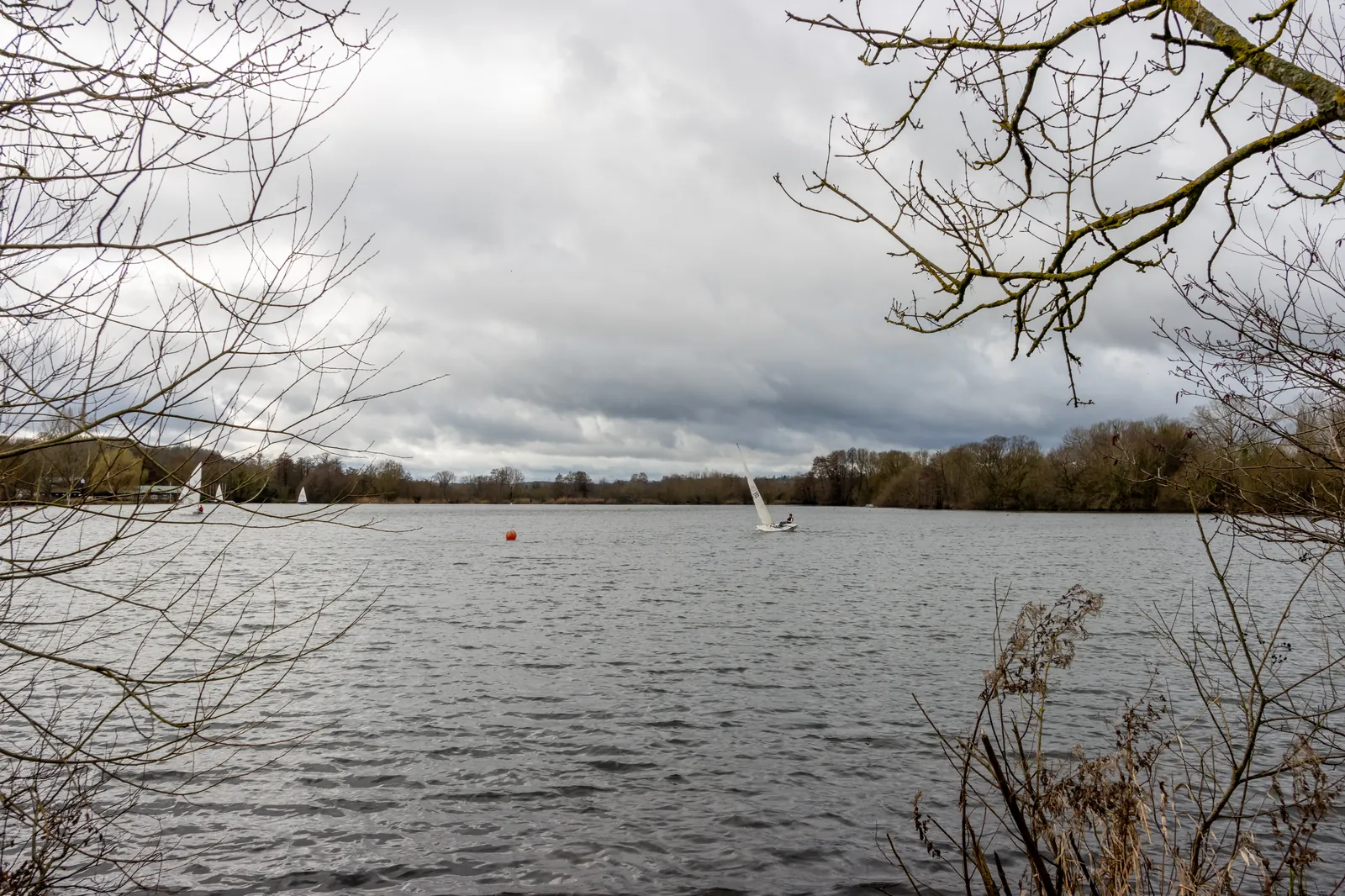
Rickmansworth Aquadrome is a Local Nature Reserve in the Mid-Colne Valley. The river and canal corridors and Whippendell Woods SSSI can support bats, riparian mammals, reptiles, amphibians and other protected or priority species. The Rickmansworth Conservation Area and Metropolitan Green Belt should be assessed on the habitats actually present.
Three Rivers District Council assesses effects on protected and priority species under Policy DM6 of the Development Management Policies Local Development Document, adopted on 26 July 2013, and Policy CP9 of the Core Strategy, adopted on 17 October 2011. Confirm the current validation requirements with the council before submitting.
Local plan: Three Rivers Local Plan (Core Strategy, Development Management Policies Local Development Document, and Site Allocations Local Development Document) (The Core Strategy was adopted on 17 October 2011, the Development Management Policies Local Development Document on 26 July 2013, and the Site Allocations Local Development Document on 25 November 2014. These remain the adopted development plan as of 13 November 2026.)
CP9: Green Infrastructure
Seeks a net gain in the quality and quantity of Green Infrastructure, focusing on the corridors of the Rivers Chess, Colne and Gade and the Grand Union Canal, the Chilterns AONB, the Colne Valley Park, and designated wildlife sites. Development must not compromise the integrity of the network by causing fragmentation, damage or isolation of assets.
DM6: Biodiversity, Trees, Woodlands, Watercourses and Landscaping
Requires development to result in no net loss of biodiversity value across the district. Adverse impacts on SSSIs, Local Nature Reserves, Local Wildlife Sites or protected species will not be permitted unless the need outweighs the harm and mitigation and compensation can maintain biodiversity. Existing trees and hedgerows should be retained, safeguarded to British Standards, and replaced if removal is permitted. Permission will be refused for loss or deterioration of protected woodland, including ancient woodland, and protected, aged or veteran trees, unless conditions can secure their protection. Development next to a watercourse should take account of the Water Framework Directive and the Thames River Basin Management Plan.
General guidance for protected species survey, not formal advice for your site.
Three Rivers District Council is the local planning authority.
Policy DM6 applies where protected species or their habitats could be affected. A PEA should identify whether further species surveys are required. Confirm the current validation requirements with the council.
Sites at Rickmansworth Aquadrome, on the River Chess, River Colne and River Gade, along the Grand Union Canal, and at Whippendell Woods SSSI can support bats, riparian species and other wetland or woodland wildlife. A PEA should confirm what applies on the specific site.