Featured partner
Recommended for March

ROAVR Group
Tree, ecology, flood risk and topographical surveys for planning applications.
4.9 Google rating
Get a quote
Local experts.
Featured partner
Recommended for March
Tree, ecology, flood risk and topographical surveys for planning applications.
4.9 Google rating
Local experts.
Independent ecological and arboricultural consultancy whose own site publishes a…
Arboricultural practice trading as John Talbot Tree Surgery, a trading name of Cambridge…
Arboricultural practice whose own site publishes an address at Future Business Centre,…
A tree survey in March is often needed where work could affect the March Conservation Area, or the River Nene. Fenland District Council is the local planning authority. Policy LP16 requires development proposals to make a positive contribution to the local distinctiveness and character of the area, which is the adopted high-quality environments policy against which trees and landscape features are considered. It is a historic Fenland town around the official March Conservation Area and the River Nene, quite unlike Wisbech or Whittlesey. The adopted Fenland Local Plan applies here. Confirm the current validation requirements with the council before submitting.
Local planning authority: Fenland District Council
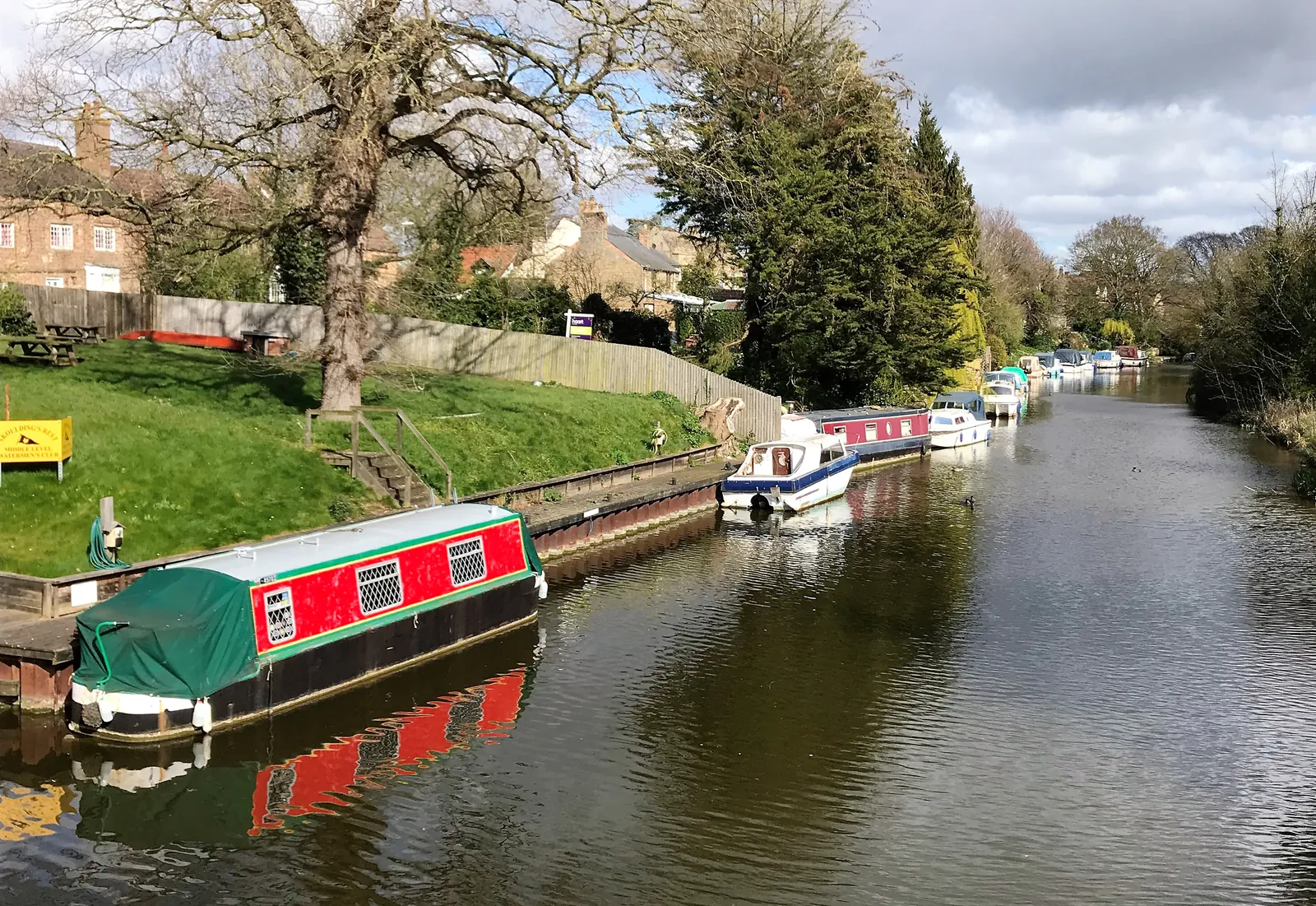
March is in the area of Fenland District Council. It is a historic Fenland town around the official March Conservation Area and the River Nene, quite unlike Wisbech or Whittlesey. The adopted Fenland Local Plan applies here. The March Conservation Area and the River Nene are the official features that shape tree survey work here. Cambridgeshire County Council is the Lead Local Flood Authority. There is no confirmed successor council for Fenland.
In March, including around the March Conservation Area and at the River Nene, the same adopted local plan policies apply. Fenland District Council assesses trees and landscaping under Policy LP16 of the Fenland Local Plan. Policy LP16 (Delivering and Protecting High Quality Environments across the District) of the Fenland Local Plan, adopted on 8 May 2014, requires development proposals to make a positive contribution to the local distinctiveness and character of the area. Confirm the current validation requirements with the council before submitting.
Local plan: Fenland Local Plan (adopted)
LP16: Delivering and Protecting High Quality Environments across the District
Policy LP16 (Delivering and Protecting High Quality Environments across the District) of the Fenland Local Plan, adopted on 8 May 2014, requires development proposals to make a positive contribution to the local distinctiveness and character of the area.
LP19: The Natural Environment
Policy LP19 (The Natural Environment) of the Fenland Local Plan, adopted on 8 May 2014, sets out the approach to conserve, enhance and protect the biodiversity and geological interest of the natural environment. The policy does not set a higher than statutory biodiversity net gain percentage. Fenland District Council applies the statutory 10 per cent minimum.
LP14: Responding to Climate Change and Managing the Risk of Flooding in Fenland
Policy LP14 (Responding to Climate Change and Managing the Risk of Flooding in Fenland) of the Fenland Local Plan, adopted on 8 May 2014, requires development proposals to take account of flood risk issues and ensures that new development will be resilient to the potential consequences of flooding.
General guidance for tree survey (bs5837), not formal advice for your site.
Fenland District Council. Cambridgeshire County Council is the Lead Local Flood Authority. There is no confirmed successor council for Fenland.
A tree survey in March is often needed where trees in the March Conservation Area, or at the River Nene, could be affected by development. Confirm the current validation requirements with the council.
They often do. Works to trees in a conservation area or around other official features may also need notice to the council, and trees at the River Nene can be part of the same assessment. Policy LP16 requires development proposals to make a positive contribution to the local distinctiveness and character of the area, which is the adopted high-quality environments policy against which trees and landscape features are considered. Confirm the current validation requirements with the council.