Featured partner
Recommended for Croydon

ROAVR Group
Tree, ecology, flood risk and topographical surveys for planning applications.
4.9 Google rating
Get a quote
Local experts.
Featured partner
Recommended for Croydon
Tree, ecology, flood risk and topographical surveys for planning applications.
4.9 Google rating
Local experts.
Environmental and ecology consultancy with a London office at Holyrood Street, near…
London environmental consultancy based at Marshalsea Road, Southwark, formerly trading…
Independent ecology consultancy with its head office in Leatherhead, Surrey.
Environmental consultancy founded in 2004, with its head office on the Surrey Research…
Buildings in Croydon Town Centre and mature trees around Park Hill and Wandle Park are a frequent reason for a bat survey in Croydon. Where a preliminary appraisal finds roosting or commuting potential, further bat surveys may be needed before a decision can be made. The local planning authority is the London Borough of Croydon. Policy DM27 of the Croydon Local Plan, adopted on 27 February 2018, protects species of animal and their habitats. The Local Validation List of May 2026 asks for a preliminary ecological assessment where protected species may be present, which often leads on to dedicated bat survey work. Policy G6 of the London Plan, published on 2 March 2021, also forms part of the development plan.
Local planning authority: London Borough of Croydon
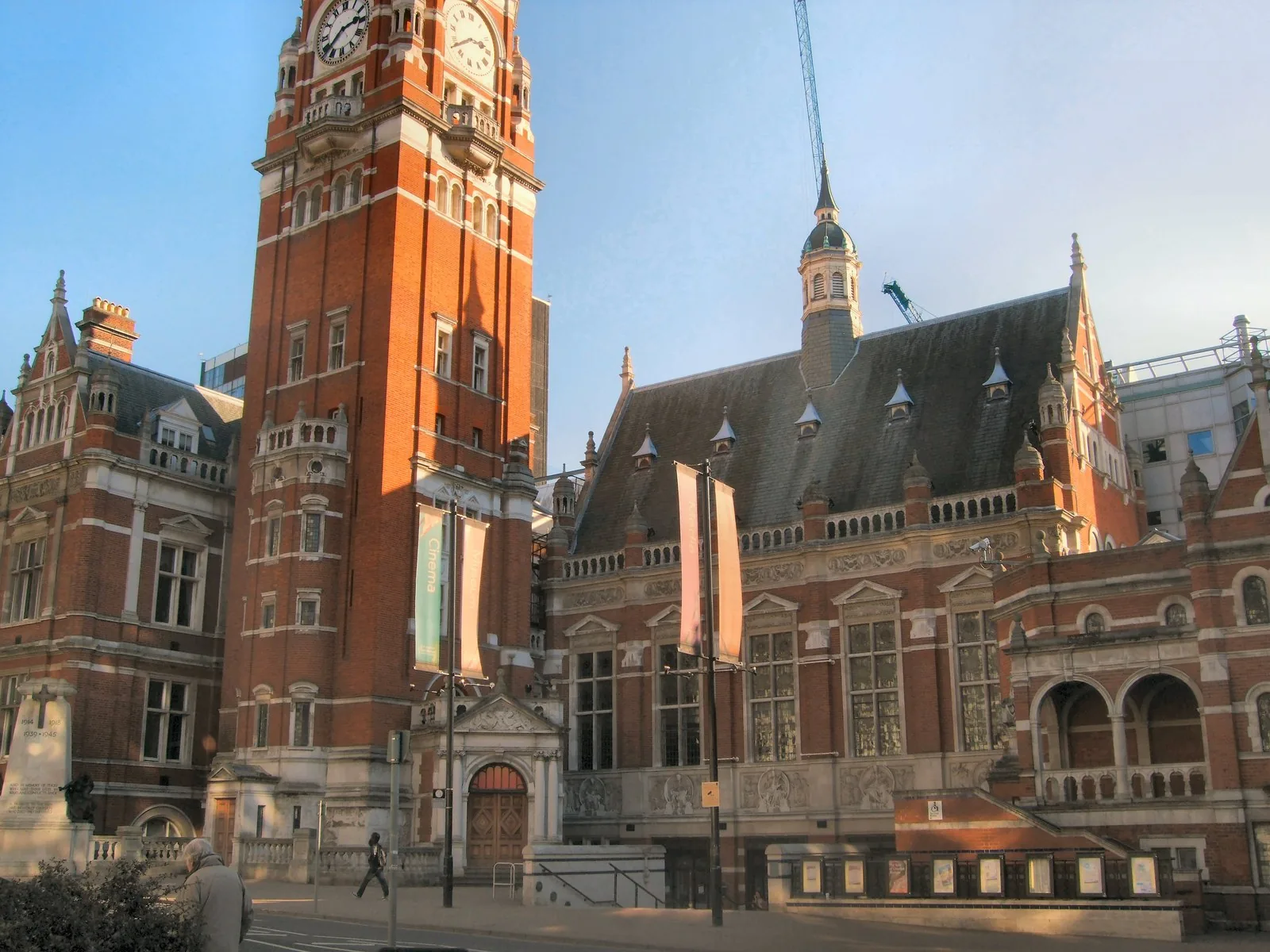
Older buildings along North End and in the Croydon Opportunity Area can have bat potential, especially where roofs or voids are affected. Park Hill, Lloyd Park, Wandle Park and the River Wandle provide commuting habitat. An appraisal or bat survey should consider lighting effects and be coordinated with any tree survey.
The London Borough of Croydon assesses bat and other protected-species issues under Policy DM27 of the Croydon Local Plan, adopted on 27 February 2018, together with Policy G6 of the London Plan, published on 2 March 2021, and the Conservation of Habitats and Species Regulations. The Local Validation List of May 2026 requires a preliminary ecological assessment where protected species may be present. Confirm the current local validation requirements with the council before submitting.
Local plan: Croydon Local Plan 2018 (The Croydon Local Plan 2018 was adopted on 27 February 2018 and remains the adopted local plan. A later review has been published in draft, including a 2024 revised text, but that review is not treated as adopted policy. The London Plan, published on 2 March 2021, also forms part of the development plan. There is no 2027 successor council for this borough.)
DM28: Trees
Policy DM28 of the Croydon Local Plan, adopted on 27 February 2018, requires the Council to protect and enhance the borough’s woodlands, trees and hedgerows.
DM27: Protecting and enhancing our biodiversity
Policy DM27 requires development to enhance biodiversity, to have no adverse impact on land with biodiversity or geo-diversity value, and to have no adverse impact on protected species or their habitats. It does not set a biodiversity net gain percentage above the national minimum.
SP7: Green Grid
Policy SP7 protects the Green Grid, including the Wandle Valley Area Framework, and supports street tree planting, green roofs and ecological restoration.
DM25: Sustainable Drainage Systems and reducing flood risk
Policy DM25 requires development to reduce flood risk from all sources, to apply the sequential and exception tests, and to provide sustainable drainage that achieves better than greenfield runoff rates where possible. A flood risk assessment is required for all development in Flood Zones 2 and 3 and for major development, and in Flood Zone 1 where other sources of flooding are identified.
SP6: Environment and Climate Change
Policy SP6 sets the strategic approach to climate change, flood risk and environmental quality, and records that the Council is the Lead Local Flood Authority.
General guidance for bat survey, not formal advice for your site.
The London Borough of Croydon. The London Plan also forms part of the development plan. The borough is the Lead Local Flood Authority. There is no 2027 successor council for this borough.
Where a preliminary ecological appraisal finds roosting or commuting potential, including in buildings in Croydon Town Centre or in trees around Park Hill or Wandle Park, further bat surveys may be required before an application can be determined.
Yes. The London Plan, published on 2 March 2021, forms part of the development plan. The London Plan forms part of the development plan alongside the Croydon Local Plan adopted on 27 February 2018.
No other published town guides for this survey in the council area yet.