Featured partner
Recommended for Peckham

ROAVR Group
Tree, ecology, flood risk and topographical surveys for planning applications.
4.9 Google rating
Get a quote
Local experts.
Featured partner
Recommended for Peckham
Tree, ecology, flood risk and topographical surveys for planning applications.
4.9 Google rating
Local experts.
Environmental and ecology consultancy with a London office at Holyrood Street, near…
London environmental consultancy based at Marshalsea Road, Southwark, formerly trading…
Independent ecology consultancy with its head office in Leatherhead, Surrey.
Environmental consultancy founded in 2004, with its head office on the Surrey Research…
Buildings along Rye Lane and mature trees on Peckham Rye are a frequent reason for a bat survey in Peckham. Where a preliminary appraisal finds roosting or commuting potential, further bat surveys may be needed before a decision can be made. The local planning authority is the London Borough of Southwark. Policy P60 of the Southwark Plan, adopted on 23 February 2022, requires populations of protected species to be protected. Policy G6 of the London Plan, published on 2 March 2021, also forms part of the development plan.
Local planning authority: London Borough of Southwark
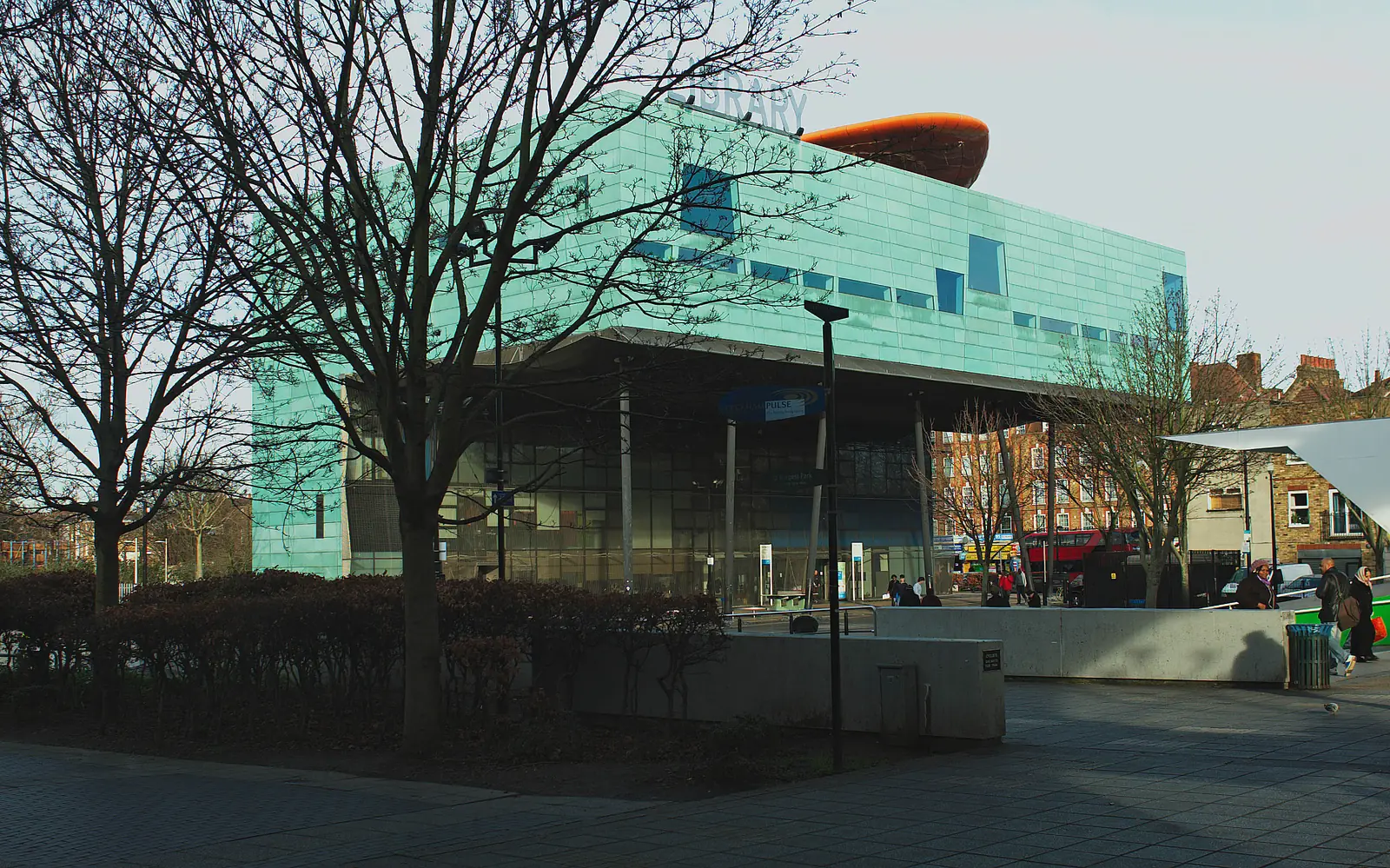
Peckham Rye provides commuting and roosting habitat next to Peckham Town Centre. Older buildings along Rye Lane and around Peckham Library can also have bat potential. An appraisal or bat survey should consider lighting effects and be coordinated with any tree survey.
The London Borough of Southwark assesses bat and other protected-species issues under Policy P60 of the Southwark Plan, adopted on 23 February 2022, together with Policy G6 of the London Plan, published on 2 March 2021, and the Conservation of Habitats and Species Regulations. Confirm the current local validation requirements with the council before submitting.
Local plan: Southwark Plan 2022 (The Southwark Plan 2019–2036 was adopted on 23 February 2022 and remains the adopted local plan. The London Plan, published on 2 March 2021, also forms part of the development plan. There is no 2027 successor council for this borough.)
P60: Biodiversity
Policy P60 requires development to contribute to net gains in biodiversity by enhancing and protecting SINCs, Local Nature Reserves, protected species and priority habitats. It does not set a percentage above the national minimum.
P61: Trees
Policy P61 of the Southwark Plan, adopted on 23 February 2022, requires significant existing trees to be retained and protected, including trees of high amenity value, trees in conservation areas, and veteran, ancient and notable trees, and requires retained trees to be protected during construction in line with BS5837.
P68: Reducing flood risk
Policy P68 requires development not to increase flood risk on or off site, sets finished floor levels in areas at risk of flooding, and requires major development to reduce surface water run-off to greenfield rates through sustainable drainage. Tidal flood risk from the Thames is identified in the north of the borough, not in Peckham Town Centre.
General guidance for bat survey, not formal advice for your site.
The London Borough of Southwark. The London Plan also forms part of the development plan. The borough is the Lead Local Flood Authority. There is no 2027 successor council for this borough.
Where a preliminary ecological appraisal finds roosting or commuting potential, including in buildings along Rye Lane or in trees on Peckham Rye, further bat surveys may be required before an application can be determined.
Yes. The London Plan, published on 2 March 2021, forms part of the development plan. The London Plan forms part of the development plan alongside the Southwark Plan adopted on 23 February 2022.