Featured partner
Recommended for Woolwich

ROAVR Group
Tree, ecology, flood risk and topographical surveys for planning applications.
4.9 Google rating
Get a quote
Local experts.
Featured partner
Recommended for Woolwich
Tree, ecology, flood risk and topographical surveys for planning applications.
4.9 Google rating
Local experts.
Environmental and ecology consultancy with a London office at Holyrood Street, near…
London environmental consultancy based at Marshalsea Road, Southwark, formerly trading…
Independent ecology consultancy with its head office in Leatherhead, Surrey.
Environmental consultancy founded in 2004, with its head office on the Surrey Research…
Buildings in Woolwich Town Centre, historic structures at the Royal Arsenal, and trees on Woolwich Common are a frequent reason for a bat survey in Woolwich. Where a preliminary appraisal finds roosting or commuting potential, further bat surveys may be needed before a decision can be made. The local planning authority is the Royal Borough of Greenwich. Policy OS(f) of the Core Strategy, adopted on 30 July 2014, requires protected species to be considered. Policy G6 of the London Plan, published on 2 March 2021, also forms part of the development plan.
Local planning authority: Royal Borough of Greenwich
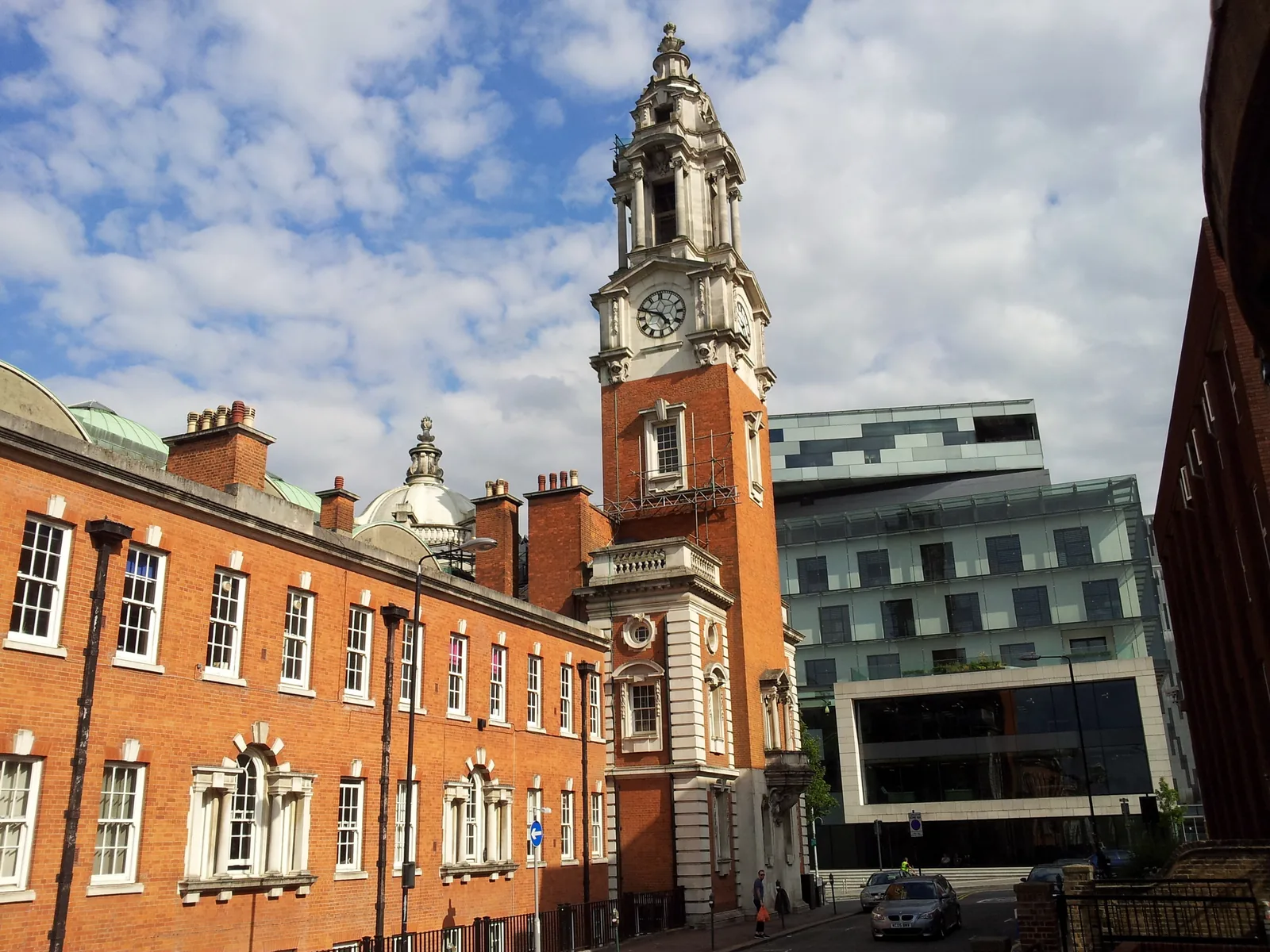
The River Thames, the Royal Arsenal, Woolwich Common and the South East London Green Chain provide commuting and roosting habitat close to Beresford Square and Woolwich Town Centre. An appraisal or bat survey should consider lighting effects and be coordinated with any tree survey.
The Royal Borough of Greenwich assesses bat and other protected-species issues under Policies OS4 and OS(f) of the Core Strategy, adopted on 30 July 2014, together with Policy G6 of the London Plan, published on 2 March 2021, and the Conservation of Habitats and Species Regulations. Confirm the current local validation requirements with the council before submitting.
Local plan: Royal Greenwich Local Plan: Core Strategy with Detailed Policies (The Royal Greenwich Local Plan: Core Strategy with Detailed Policies was adopted on 30 July 2014 and remains the adopted local plan. A new Local Plan is in preparation, including a draft consulted from late 2025, but that review is not treated as adopted policy. The London Plan, published on 2 March 2021, also forms part of the development plan. There is no 2027 successor council for this borough.)
OS(f): Ecological Factors
Policy OS(f) of the Core Strategy, adopted on 30 July 2014, requires development to take account of ecological factors, including an appropriate survey of existing trees, protection of trees and root systems, and surveys of flora and fauna on Sites of Importance for Nature Conservation and on sites over one hectare.
OS3: South East London Green Chain
Policy OS3 promotes and enhances the South East London Green Chain, including the Green Chain Walk from the Thames through Woolwich Common toward Shooters Hill and Eltham.
E2: Flood Risk
Policy E2 requires the Strategic Flood Risk Assessment to inform development, applies the sequential and exception tests, and requires flood risk assessments covering all sources of flooding, residual risk, climate change and the safeguarding of tidal and fluvial flood defences.
E3: Residual Flood Risk
Policy E3 addresses residual flood risk behind the Thames tidal defences.
OS4: Biodiversity
Policy OS4 requires Royal Greenwich’s rich biodiversity to be protected, restored and enhanced, with a presumption against development of SSSIs, SINCs and Local Nature Reserves. It does not set a biodiversity net gain percentage above the national minimum.
General guidance for bat survey, not formal advice for your site.
The Royal Borough of Greenwich. The London Plan also forms part of the development plan. The borough is the Lead Local Flood Authority. There is no 2027 successor council for this borough.
Where a preliminary ecological appraisal finds roosting or commuting potential, including in buildings in Woolwich Town Centre or at the Royal Arsenal, or in trees on Woolwich Common, further bat surveys may be required before an application can be determined.
Yes. The London Plan, published on 2 March 2021, forms part of the development plan. The London Plan forms part of the development plan alongside the Core Strategy adopted on 30 July 2014.