Featured partner
Recommended for Faversham

ROAVR Group
Tree, ecology, flood risk and topographical surveys for planning applications.
4.9 Google rating
Get a quote
Local experts.
Featured partner
Recommended for Faversham
Tree, ecology, flood risk and topographical surveys for planning applications.
4.9 Google rating
Local experts.
Arboricultural and ecological consultancy with a Kent office at The Watermill, Maidstone…
Ecological consultancy with a trading office at Waterham Business Park, Faversham, Kent.
Canterbury landscape, ecology and arboricultural consultancy.
Maidstone ecological consultancy and a wholly owned subsidiary of Kent Wildlife Trust,…
Biodiversity net gain in Faversham needs to be measured where development could affect habitats in the Faversham Town Conservation Area or around Faversham Creek. Swale Borough Council applies the statutory biodiversity net gain duty under the Environment Act 2021, which requires a minimum 10 per cent net gain on qualifying applications, together with the adopted local plan. After the National Planning Policy Framework published on 17 August 2026, qualifying applications are assessed against the statutory 10 per cent minimum except on a justified site allocation. The creek, the historic yards and gardens in the Town Conservation Area can support bats, birds and riparian habitats. Confirm the current validation requirements with the council before submitting.
Local planning authority: Swale Borough Council
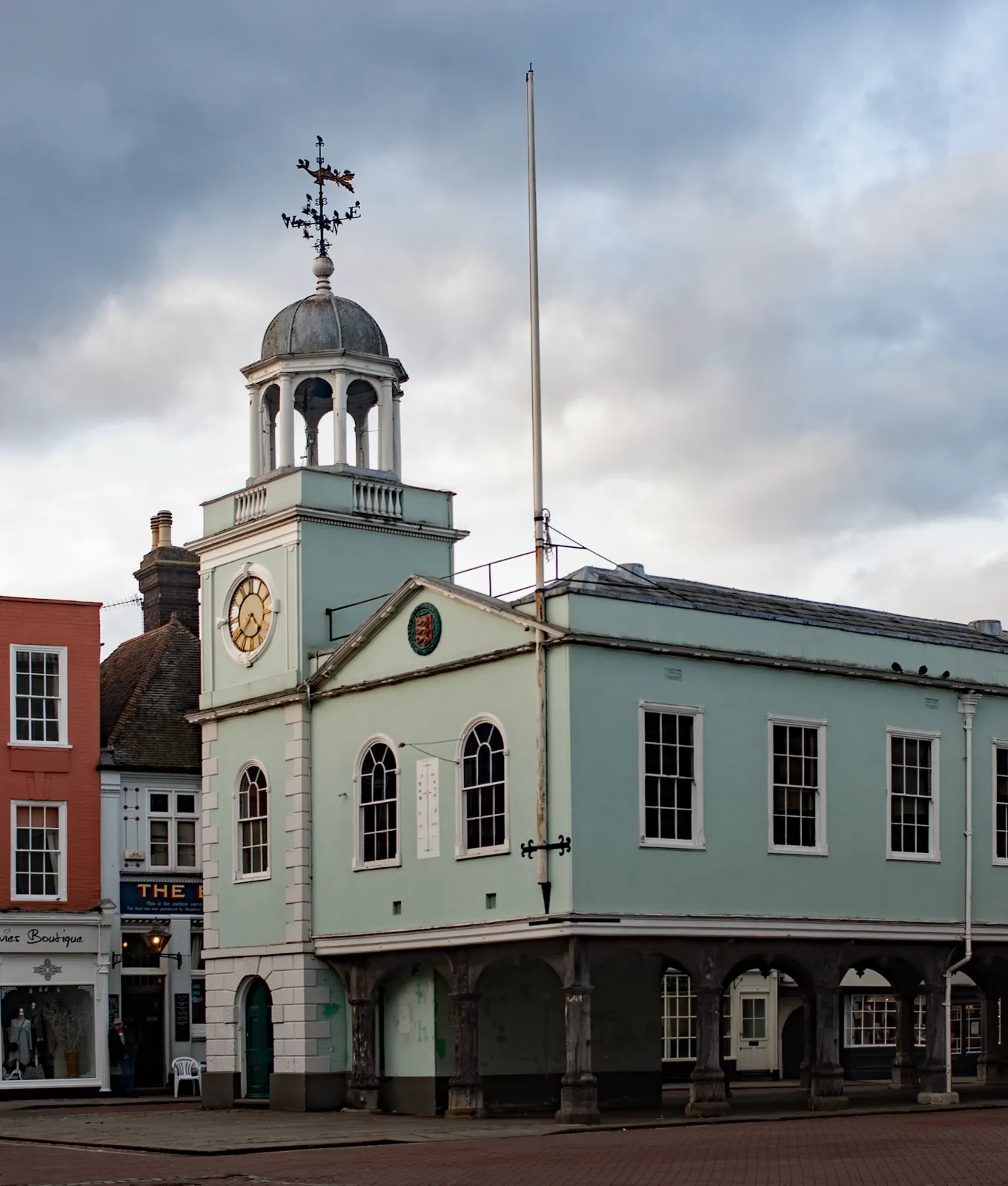
Faversham is in the area of Swale Borough Council. Faversham is a medieval market town on Faversham Creek, quite unlike the larger industrial town of Sittingbourne to the west. Faversham Town Conservation Area and Faversham Creek are the official features that shape survey work here. Kent County Council is the Lead Local Flood Authority. There is no confirmed 2027 successor council for Kent.
In Faversham, including around Faversham Town Conservation Area and Faversham Creek, the same adopted local plan policies apply. Swale Borough Council applies the statutory biodiversity net gain duty under the Environment Act 2021, which requires a minimum 10 per cent net gain on qualifying applications, together with Policy DM28 of Bearing Fruits 2031, adopted on 26 July 2017. After the National Planning Policy Framework published on 17 August 2026, qualifying applications are assessed against the statutory 10 per cent minimum except on a justified site allocation. Confirm the current validation requirements with the council before submitting.
Local plan: Bearing Fruits 2031: The Swale Borough Local Plan (Bearing Fruits 2031: The Swale Borough Local Plan was adopted on 26 July 2017 and remains the adopted development plan as of 15 November 2026.)
DM28: Biodiversity and Geological Conservation
Requires development to protect and enhance biodiversity and geological conservation interests, including designated sites and wider habitats.
General guidance for biodiversity net gain (bng), not formal advice for your site.
Swale Borough Council. There is no confirmed 2027 successor council for Kent. Kent County Council is the Lead Local Flood Authority.
Swale Borough Council applies the statutory 10 per cent minimum on qualifying applications, together with the adopted local plan. After the National Planning Policy Framework published on 17 August 2026, qualifying applications are assessed against the statutory 10 per cent minimum except on a justified site allocation.
They can form part of the baseline, and the metric should record the habitats that are actually on the site. Confirm the current validation requirements with the council.