Featured partner
Recommended for Epsom

ROAVR Group
Tree, ecology, flood risk and topographical surveys for planning applications.
4.9 Google rating
Get a quote
Local experts.
Featured partner
Recommended for Epsom
Tree, ecology, flood risk and topographical surveys for planning applications.
4.9 Google rating
Local experts.
Independent ecology consultancy with its head office in Leatherhead, Surrey.
Environmental consultancy founded in 2004, with its head office on the Surrey Research…
Multi-disciplinary practice founded in 1985, offering arboriculture, ecology, landscape…
Independent ecological consultancy with a Surrey office near Farnham, plus offices in…
Epsom Common, Nonsuch Park and the upper catchment of the River Hogsmill are typical reasons a preliminary ecological appraisal in Epsom should look beyond the red line. The appraisal is a first look at habitats and species, and at the further surveys a planning application may need. The local planning authority is Epsom and Ewell Borough Council. Policy DM4 of the Development Management Policies Document, dated September 2015, requires an assessment of existing nature conservation assets at the application stage and protects sites of international, national or local importance.
Local planning authority: Epsom and Ewell Borough Council
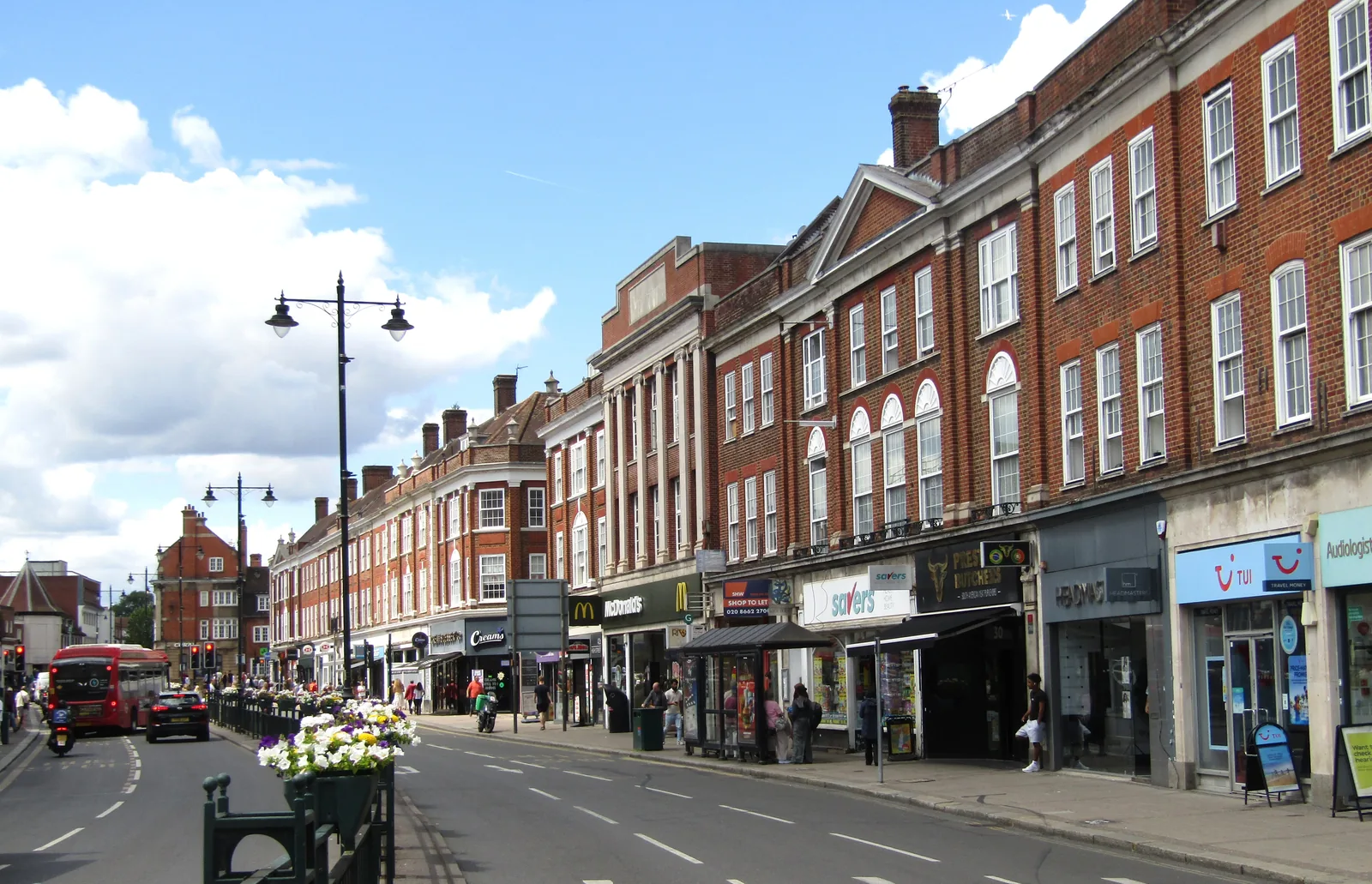
Epsom sits between Epsom Downs, Epsom Common and Nonsuch Park, with the Metropolitan Green Belt on the edge of the town. Gardens, railway land, chalk grassland on the Downs and woodland on the Common can support reptiles, bats, nesting birds and notable plants. A PEA should also consider whether a site is close to a designated nature conservation site under Policy DM4, and it sits alongside any biodiversity net gain assessment.
Epsom and Ewell Borough Council assesses effects on habitats and species under Policy DM4 of the Development Management Policies Document, dated September 2015, which forms part of the adopted development plan together with the Core Strategy adopted on 24 July 2007. A PEA is the usual way to show whether further protected-species or habitat surveys are needed. Confirm the current local validation requirements with the council before submitting.
Local plan: Epsom and Ewell Core Strategy (2007) and Development Management Policies Document (2015) (The Core Strategy was adopted on 24 July 2007. The Development Management Policies Document is dated September 2015 and remains, with the Core Strategy, the adopted development plan. A new Local Plan 2022-2040 was submitted for examination on 10 March 2025 and had not been adopted as of 13 November 2026.)
DM4: Biodiversity and New development
Restricts development affecting nature conservation sites and habitats of international, national or local importance except in defined circumstances. Development affecting sites or buildings that support legally protected species is only permitted if appropriate mitigation and compensatory measures are agreed, with no net loss of biodiversity. Whether or not statutory protection applies, every opportunity should be taken to secure a net benefit to the borough's biodiversity, including an assessment of existing nature conservation assets at application stage. The policy does not set a percentage net gain.
General guidance for preliminary ecological appraisal (pea), not formal advice for your site.
Epsom and Ewell Borough Council. From 1 April 2027 planning powers pass to the new East Surrey unitary council under local government reorganisation.
Where a site contains or is next to habitats, buildings or trees that could support protected or priority species, or designated sites under Policy DM4, including land near Epsom Common or Nonsuch Park. Confirm the current list with the council.
No. A PEA identifies habitats, species and further survey needs. A net gain assessment uses the statutory metric to show at least 10 per cent gain. Many applications need both.
No other published town guides for this survey in the council area yet.