Featured partner
Recommended for Hackney

ROAVR Group
Tree, ecology, flood risk and topographical surveys for planning applications.
4.9 Google rating
Get a quote
Local experts.
Featured partner
Recommended for Hackney
Tree, ecology, flood risk and topographical surveys for planning applications.
4.9 Google rating
Local experts.
London-based ecological consultancy in Muswell Hill.
Environmental and ecology consultancy with a London office at Holyrood Street, near…
London environmental consultancy based at Marshalsea Road, Southwark, formerly trading…
Environmental consultancy founded in 2004, with its head office on the Surrey Research…
Sites near London Fields, Hackney Town Hall or Mare Street, and sites with a relationship to the River Lea further east, often need a preliminary ecological appraisal in Hackney before a planning application is submitted. The appraisal identifies habitats and whether further protected-species survey work is likely. The local planning authority is the London Borough of Hackney. Policy LP47 of the Hackney Local Plan 2033, adopted on 22 July 2020, requires all major development to include a biodiversity survey of the site, and requires development next to SINCs, watercourses and wetlands not to have a detrimental impact unless appropriate mitigation is put in place. Policy G6 of the London Plan, published on 2 March 2021, also forms part of the development plan.
Local planning authority: London Borough of Hackney
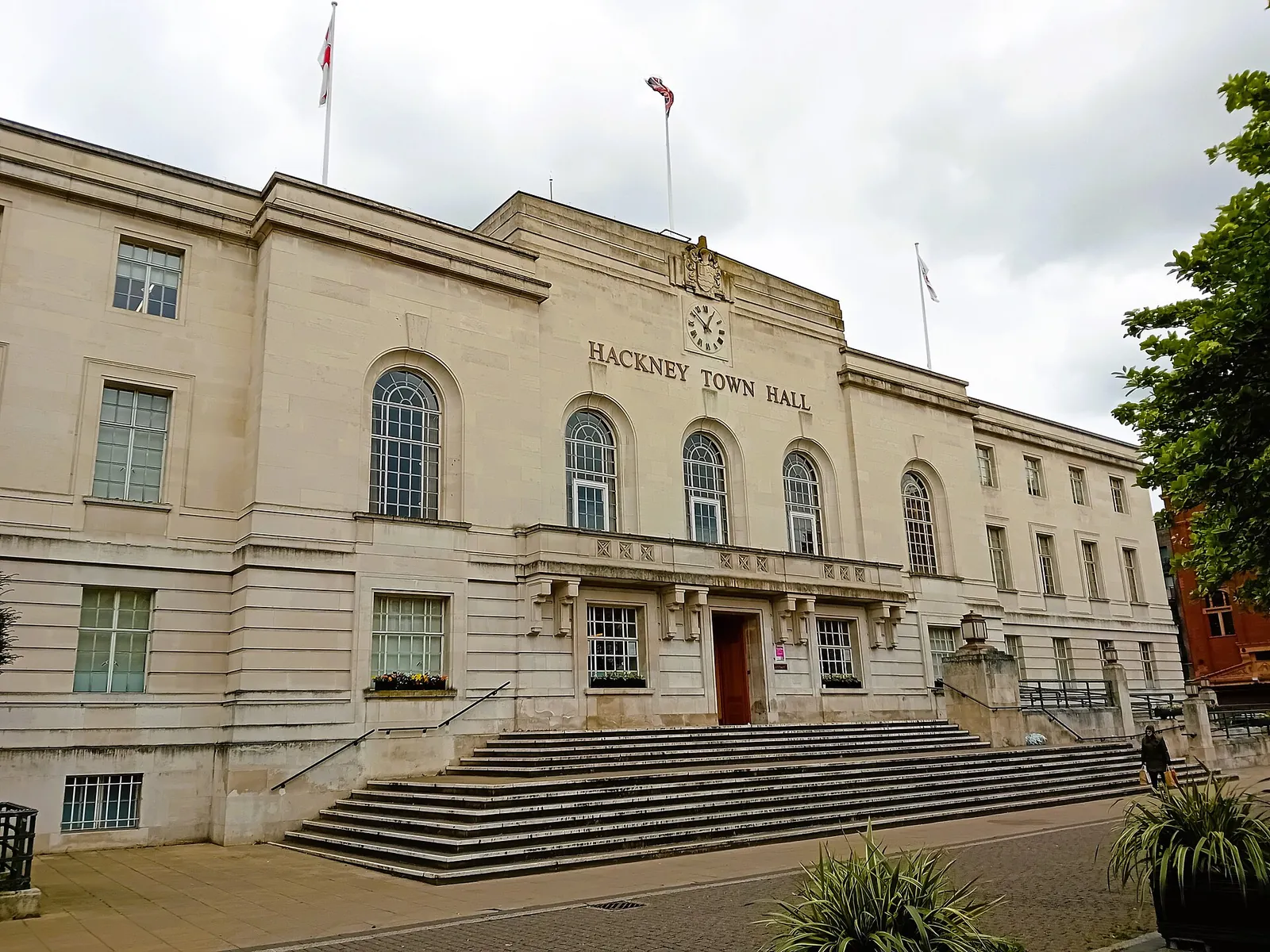
An appraisal in Hackney Town Centre should consider links to Mare Street, Hackney Town Hall and London Fields. The River Lea and Hackney Marshes lie at the east of the borough, rather than through Mare Street. Stamford Hill and Stoke Newington are areas covered on these pages.
The London Borough of Hackney assesses ecological issues under Policy LP47 of the Hackney Local Plan 2033, adopted on 22 July 2020, together with Policy G6 of the London Plan, published on 2 March 2021. All major development must include a biodiversity survey of the site. Confirm the current local validation requirements with the council before submitting.
Local plan: Hackney Local Plan 2033 (LP33) (The Hackney Local Plan 2033 (LP33) was adopted on 22 July 2020 and remains the adopted local plan. The London Plan, published on 2 March 2021, also forms part of the development plan. There is no 2027 successor council for this borough.)
LP51: Tree Management and Landscaping
Policy LP51 of the Hackney Local Plan 2033, adopted on 22 July 2020, requires development to retain trees of amenity value, especially veteran trees, and hedgerows and natural features, and to incorporate high quality landscaping. Removal of protected trees will be refused except where overriding ecological or wider planning benefits are demonstrated, with compensatory planting. Supporting text expects surveys in accordance with BS5837.
LP47: Biodiversity and Sites of Importance of Nature Conservation
Policy LP47 requires all development to protect and, where possible, enhance biodiversity leading to a net gain. All major development must include a biodiversity survey of the site. The policy does not set a biodiversity net gain percentage above the national minimum. Development on or adjacent to SINCs, watercourses and wetlands, and the nearby Walthamstow Reservoirs SPA and Walthamstow Marshes SSSI, must not have a detrimental impact unless appropriate mitigation or compensation is put in place. Buildings with an eaves or roof height of 5 metres and above must provide nesting boxes for swifts, sparrows, starlings and/or bats as appropriate.
LP53: Water and Flooding
Policy LP53 requires all development to have regard to reducing flood risk to and from the site over its expected lifetime. A flood risk assessment is expected for development in fluvial flood zones 2 or 3, for sites of 1 hectare or more in flood zone 1, for smaller flood-zone-1 sites that could be affected by other sources of flooding, for major or basement development in areas of high surface-water or elevated groundwater risk, and for all development in flood zone 1 located in a critical drainage area. All major developments must submit a Sustainable Drainage Strategy. Most of Hackney is in flood zone 1; the Lea Valley at the east of the borough is the area most affected by fluvial flooding.
General guidance for preliminary ecological appraisal (pea), not formal advice for your site.
The London Borough of Hackney. The London Plan also forms part of the development plan. The borough is the Lead Local Flood Authority. There is no 2027 successor council for this borough.
Policy LP47 requires a biodiversity survey for all major development, and an appraisal is often needed near London Fields or where a site has a relationship to the River Lea or a SINC.
Yes. The London Plan, published on 2 March 2021, forms part of the development plan. Policy G6 requires development to manage impacts on biodiversity.