Featured partner
Recommended for Wood Green

ROAVR Group
Tree, ecology, flood risk and topographical surveys for planning applications.
4.9 Google rating
Get a quote
Local experts.
Featured partner
Recommended for Wood Green
Tree, ecology, flood risk and topographical surveys for planning applications.
4.9 Google rating
Local experts.
London-based ecological consultancy in Muswell Hill.
Environmental and ecology consultancy with a London office at Holyrood Street, near…
London environmental consultancy based at Marshalsea Road, Southwark, formerly trading…
Environmental consultancy founded in 2004, with its head office on the Surrey Research…
High Road buildings, backland gardens and the open space at Ducketts Common, including land around Haringey Civic Centre and along Wood Green High Road, can support bats, nesting birds and other urban wildlife. The London Borough of Haringey requires development to protect and enhance nature conservation value and will only accept harm to important ecological assets where it cannot reasonably be avoided and mitigation can address it. A preliminary ecological appraisal is the usual first survey to identify habitats, the likelihood of protected species, and whether further surveys are needed. Surface water flood risk and existing soft landscape should be noted in the walkover so that later drainage design does not undo habitat measures.
Local planning authority: London Borough of Haringey
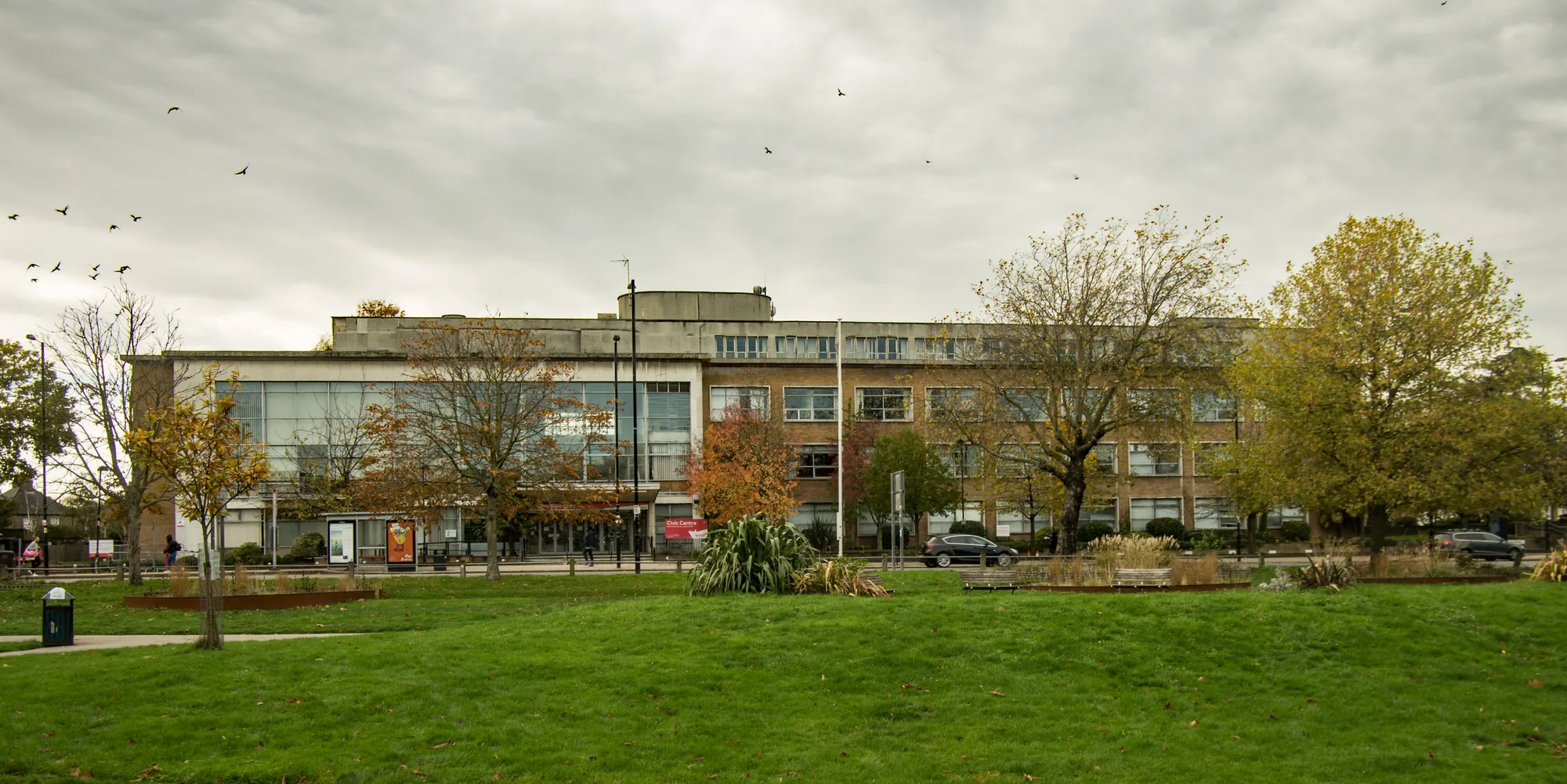
A preliminary ecological appraisal is often warranted on backland sites behind Wood Green High Road, around Haringey Civic Centre and beside Ducketts Common. Surface water flood risk and any remaining garden habitat should be recorded in the walkover.
The London Borough of Haringey assesses ecology under Policy SP13 of the Strategic Policies and Policy DM19 of the Development Management DPD, both adopted on 24 July 2017. Confirm the current local validation requirements with the council before submitting.
Local plan: Haringey's Local Plan: Strategic Policies 2013–2026 (consolidated with alterations since 2017) and Development Management DPD (Haringey's Strategic Policies (2013, with 2017 alterations) and the Development Management DPD were adopted on 24 July 2017 and remain the adopted borough-wide local plan. The London Plan, published on 2 March 2021, also forms part of the development plan. There is no 2027 successor council for this borough.)
SP13: Open Space and Biodiversity
Policy SP13 of Haringey's Strategic Policies, adopted on 24 July 2017, requires new development to protect and improve the borough's parks and open spaces and to protect and improve sites of biodiversity and nature conservation, including private gardens. This includes a contribution to wildlife and ecological habitats; the protection, management and maintenance of existing trees and the planting of new trees where appropriate; and the protection, enhancement and creation of Sites of Importance for Nature Conservation and Local Nature Reserves. The policy does not set a biodiversity net gain percentage above the national minimum.
DM19: Nature Conservation
Policy DM19 of the Development Management DPD, adopted on 24 July 2017, requires development on or adjacent to internationally designated sites, Sites of Special Scientific Interest, Local Nature Reserves, Sites of Importance for Nature Conservation or Ecological Corridors to protect and enhance the nature conservation value of the site. Development with a direct or indirect adverse impact upon important ecological assets is only permitted where the harm cannot reasonably be avoided and appropriate mitigation can address the harm caused. Supporting text expects proposals to seek opportunities to enhance biodiversity wherever possible.
DM24: Managing and Reducing Flood Risk
Policy DM24 requires all proposals for new development to avoid and reduce the risk of flooding to future occupants and not to increase the risk of flooding. Proposals in Flood Zones 2 and 3a must provide evidence for the Sequential and, where required, Exception Tests, informed by a site-specific flood risk assessment taking account of all sources of flooding. All new development must manage and reduce surface water run-off and manage water and waste water discharges. Development in Flood Zone 3b is not permitted except for water-compatible uses and essential infrastructure. Policy DM25 requires surface water to be managed as close to its source as possible. Major development must reduce surface water flows to a greenfield run-off rate for a 1 in 100 year critical storm event; minor development should aim for greenfield rates and, at a minimum, a 50 per cent reduction on existing site run-off rates. Policy SP5 requires all development to reduce all forms of flood risk and to implement Sustainable Drainage Systems.
General guidance for preliminary ecological appraisal (pea), not formal advice for your site.
The London Borough of Haringey. The London Plan also forms part of the development plan. The borough is the Lead Local Flood Authority. There is no 2027 successor council for this borough.
It is the usual first survey where a site could affect habitats or protected species, including backland gardens behind Wood Green High Road and sites beside Ducketts Common. Confirm the current local validation requirements with the council before submitting.
Yes. The London Plan, published on 2 March 2021, forms part of the development plan. Policy G6 is the London Plan policy most often read alongside a preliminary ecological appraisal.
No other published town guides for this survey in the council area yet.