Featured partner
Recommended for Victoria

ROAVR Group
Tree, ecology, flood risk and topographical surveys for planning applications.
4.9 Google rating
Get a quote
Local experts.
Featured partner
Recommended for Victoria
Tree, ecology, flood risk and topographical surveys for planning applications.
4.9 Google rating
Local experts.
Environmental and ecology consultancy with a London office at Holyrood Street, near…
London environmental consultancy based at Marshalsea Road, Southwark, formerly trading…
London-based ecological consultancy in Muswell Hill.
Environmental consultancy founded in 2004, with its head office on the Surrey Research…
Even modest plots along Victoria Street can support bats, nesting birds and planted habitat, especially around Westminster Cathedral and toward the River Thames. Westminster City Council protects Sites of Importance for Natural Conservation, priority habitats and other ecological features, and expects developments to enhance habitats for priority species where feasible. A preliminary ecological appraisal is the usual first survey to identify habitats, the likelihood of protected species, and whether further surveys are needed before an application is submitted. Surface water flood risk and any drainage features should be noted at this stage so that later habitat design works with the site.
Local planning authority: Westminster City Council
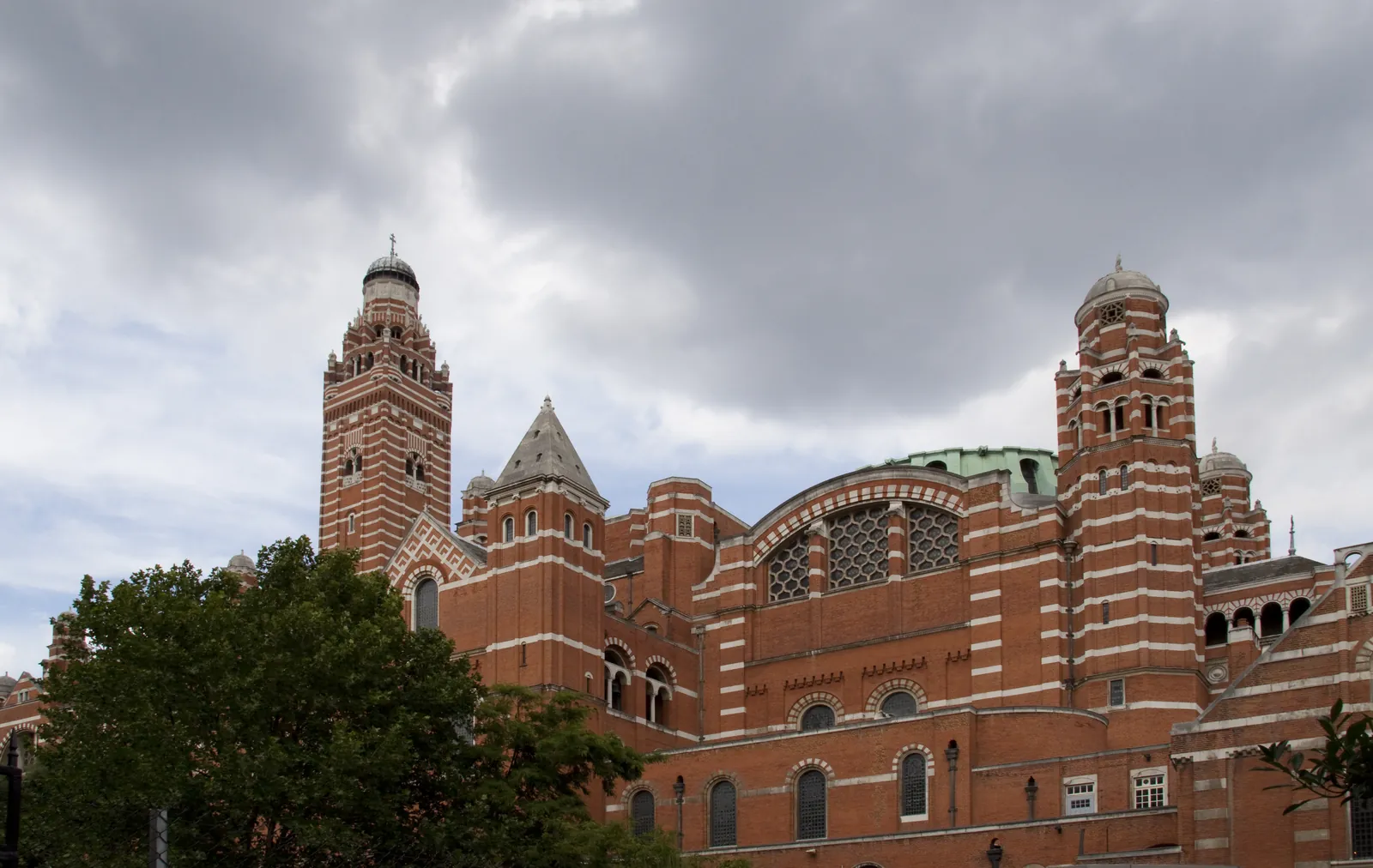
A preliminary ecological appraisal is often warranted for sites along Victoria Street, around Westminster Cathedral or toward the River Thames, where buildings, trees and courtyards may support protected or priority species. Surface water flood risk and any drainage features should be recorded in the walkover.
Westminster City Council assesses ecology under Policy 34 of the City Plan 2019–2040, adopted on 21 April 2021. Confirm the current local validation requirements with the council before submitting.
Local plan: City Plan 2019–2040 (Westminster's City Plan 2019–2040 was adopted on 21 April 2021 and is the adopted local plan. A later partial review is not treated as adopted. The London Plan, published on 2 March 2021, also forms part of the development plan. There is no 2027 successor council for this borough.)
34: Green infrastructure
Policy 34 of the City Plan 2019–2040, adopted on 21 April 2021, protects and enhances Westminster's green infrastructure. Developments will, wherever possible, contribute to the greening of the city by incorporating trees, green walls, green roofs, rain gardens and other green features. Sites of Importance for Natural Conservation, priority habitats and other ecological features outside the SINC network will be protected. Developments should achieve biodiversity net gain, wherever feasible and appropriate, and should maximise opportunities to enhance existing habitats and create new habitats for priority species. The policy does not set a percentage above the statutory 10 per cent minimum. Trees of amenity, ecological and historic value, and those which contribute to the character and appearance of the townscape, will be protected. The planting of trees to optimise the city's canopy cover will be encouraged in new developments. Supporting text says the loss of such trees should be prevented, and that proposals for new trees should have regard to the Trees and the Public Realm SPD.
35: Flood risk
Policy 35 requires all developments to be safe for their lifetime from the risk of flooding, complying with the council's Strategic Flood Risk Assessment, Surface Water Management Plan, Local Flood Risk Management Strategy and the Mayor's Regional Flood Risk Appraisal. A site-specific flood risk assessment must be submitted for developments of 1 hectare or greater, all developments in Flood Zones 2 and 3, and all developments within a Surface Water Flood Risk Hotspot. Highly Vulnerable Uses will not be allowed in Flood Zone 3. Within the Rapid Inundation Zone, basement dwellings and basement extensions to existing dwellings will not be acceptable. An undeveloped buffer zone of 16 metres should be maintained around flood defence structures wherever possible. New development must incorporate Sustainable Drainage Systems, should aim to achieve greenfield run-off rates, and should demonstrate how all opportunities to minimise site run-off have been taken.
General guidance for preliminary ecological appraisal (pea), not formal advice for your site.
The Westminster City Council. The London Plan also forms part of the development plan. The borough is the Lead Local Flood Authority. There is no 2027 successor council for this borough.
It is the usual first survey where a site could affect habitats or protected species, including plots along Victoria Street, around Westminster Cathedral and toward the River Thames. Confirm the current local validation requirements with the council before submitting.
Yes. The London Plan, published on 2 March 2021, forms part of the development plan. Policy G6 is the London Plan policy most often read alongside a preliminary ecological appraisal.
No other published town guides for this survey in the council area yet.