Featured partner
Recommended for Camden Town

ROAVR Group
Tree, ecology, flood risk and topographical surveys for planning applications.
4.9 Google rating
Get a quote
Local experts.
Featured partner
Recommended for Camden Town
Tree, ecology, flood risk and topographical surveys for planning applications.
4.9 Google rating
Local experts.
London-based ecological consultancy in Muswell Hill.
Environmental and ecology consultancy with a London office at Holyrood Street, near…
London environmental consultancy based at Marshalsea Road, Southwark, formerly trading…
Environmental consultancy founded in 2004, with its head office on the Surrey Research…
Buildings and residual gardens behind Camden High Street, market structures at Camden Lock, and the Regent's Canal corridor can support bats, nesting birds and other protected or priority species. The London Borough of Camden will not grant permission for development that would adversely affect the status or population of those habitats and species. Survey work should identify what is present, the effect of the works, and a clear mitigation scheme before an application is determined. Surface water flood risk and any SuDS features should be designed so that they do not destroy the canal-side habitat those species rely on.
Local planning authority: London Borough of Camden
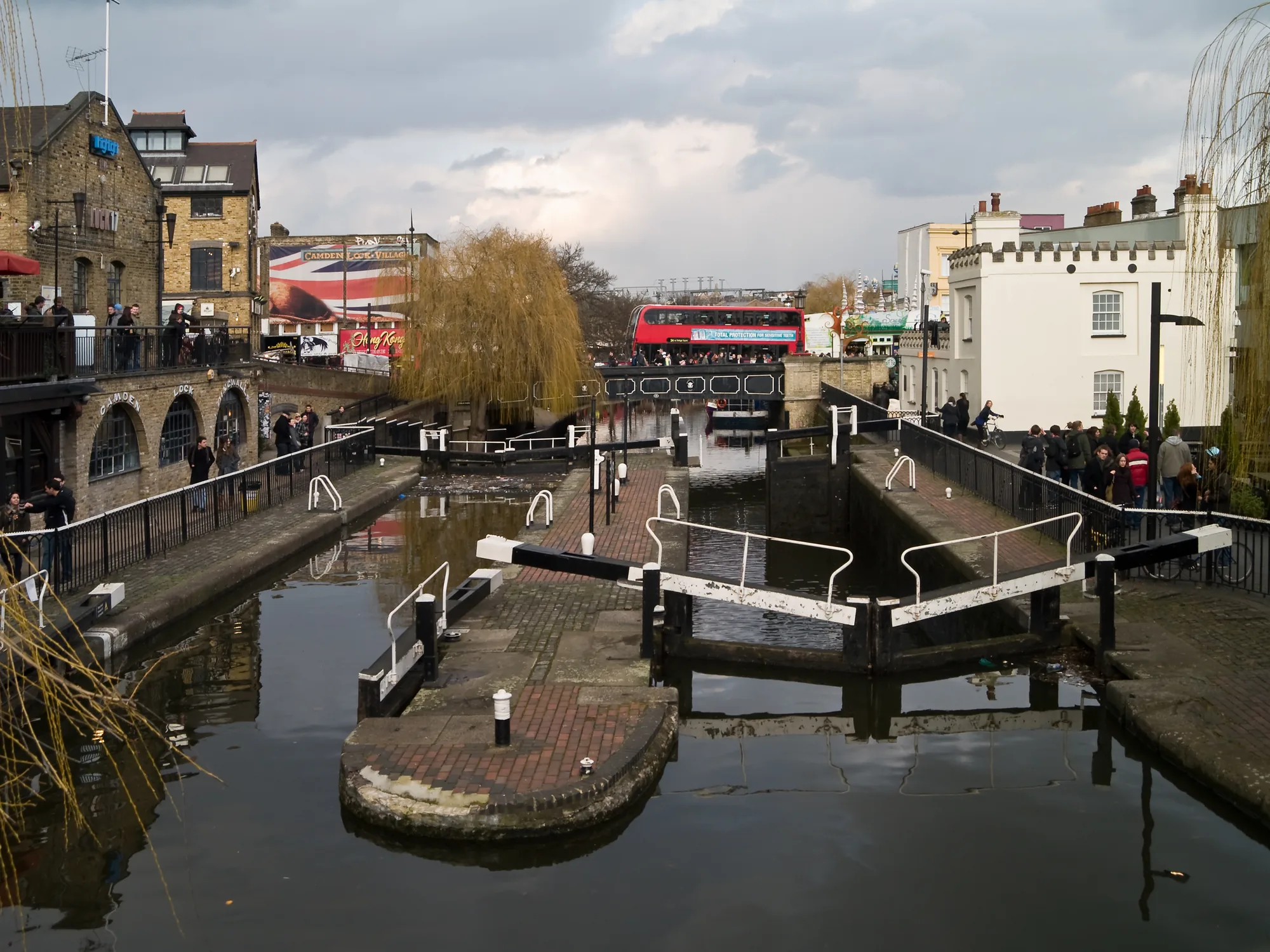
Protected and priority species may use buildings and gardens behind Camden High Street, structures at Camden Lock and the Regent's Canal. Surface water flood risk and drainage design should be checked so that mitigation habitat is not lost.
The London Borough of Camden assesses protected species under Policy A3 of the Camden Local Plan, adopted on 3 July 2017, together with wildlife legislation. Confirm the current local validation requirements with the council before submitting.
Local plan: Camden Local Plan (The Camden Local Plan was adopted on 3 July 2017 and remains the adopted local plan. A later review may be in examination and is not treated as adopted. The London Plan, published on 2 March 2021, also forms part of the development plan. There is no 2027 successor council for this borough.)
A3: Biodiversity
Policy A3 of the Camden Local Plan, adopted on 3 July 2017, protects and enhances sites of nature conservation and biodiversity. The council will designate and protect nature conservation sites and safeguard protected and priority habitats and species, and will not grant permission for development that would directly or indirectly result in the loss or harm of a designated nature conservation site or adversely affect the status or population of priority habitats and species. Other features with nature conservation value, including gardens, should be protected wherever possible. The policy also protects trees and vegetation of significant amenity, historic, cultural or ecological value, requires trees and vegetation to be retained to be protected during demolition and construction in line with BS 5837:2012, and expects replacement planting where loss has been justified and additional trees and vegetation wherever possible. An ecology scoping survey is expected on all major sites unless the council has specifically agreed it is not. The policy seeks a net gain in biodiversity but does not set a percentage above the statutory 10 per cent minimum.
CC3: Water and flooding
Policy CC3 requires development not to increase flood risk and to reduce the risk of flooding where possible. Development must incorporate water efficiency measures, avoid harm to the water environment, consider the impact of development in areas at risk of flooding including drainage, incorporate flood resilient measures in areas prone to flooding, use Sustainable Drainage Systems in line with the drainage hierarchy to achieve a greenfield run-off rate where feasible, and not locate vulnerable development in flood-prone areas. Where an assessment of flood risk is required, developments should consider surface water flooding in detail and groundwater flooding where applicable. Supporting text identifies surface water as the key flood risk in Camden, including Local Flood Risk Zones and previously flooded streets, with a smaller risk of groundwater flooding in parts of the borough.
General guidance for protected species survey, not formal advice for your site.
The London Borough of Camden. The London Plan also forms part of the development plan. The borough is the Lead Local Flood Authority. There is no 2027 successor council for this borough.
Bats and nesting birds are the most frequent issues on Camden High Street and canal-side sites around Camden Lock and the Regent's Canal. Confirm the current local validation requirements with the council before submitting.
Yes. The London Plan, published on 2 March 2021, forms part of the development plan. Policy G6 is read alongside legal duties to protect species.
No other published town guides for this survey in the council area yet.