Featured partner
Recommended for Crowthorne

ROAVR Group
Tree, ecology, flood risk and topographical surveys for planning applications.
4.9 Google rating
Get a quote
Local experts.
Featured partner
Recommended for Crowthorne
Tree, ecology, flood risk and topographical surveys for planning applications.
4.9 Google rating
Local experts.
Hitchin land and environmental consultancy with its head office at Maydencroft Manor,…
Independent ecological consultancy with a Surrey office near Farnham, plus offices in…
Planning, architecture and ecology consultancy with a Newbury office at Liberty House,…
Environmental consultancy founded in 2004, with its head office on the Surrey Research…
Protected species survey work in Crowthorne often follows a preliminary appraisal where a site could affect habitats in the Crowthorne Conservation Area or at Wellington College Bog SSSI. Bracknell Forest Council is the local planning authority. The presence of protected species is a material consideration, and the extent to which they may be affected should be established before planning permission is granted. Habitats in the Crowthorne Conservation Area and at Wellington College Bog SSSI can support bats, great crested newts, reptiles, nesting birds and other protected species. It is a heathland settlement on the southern edge of Bracknell Forest, known for Wellington College, quite unlike the planned new town of Bracknell or the Blackwater valley town of Sandhurst. Confirm the current validation requirements with the council before submitting.
Local planning authority: Bracknell Forest Council
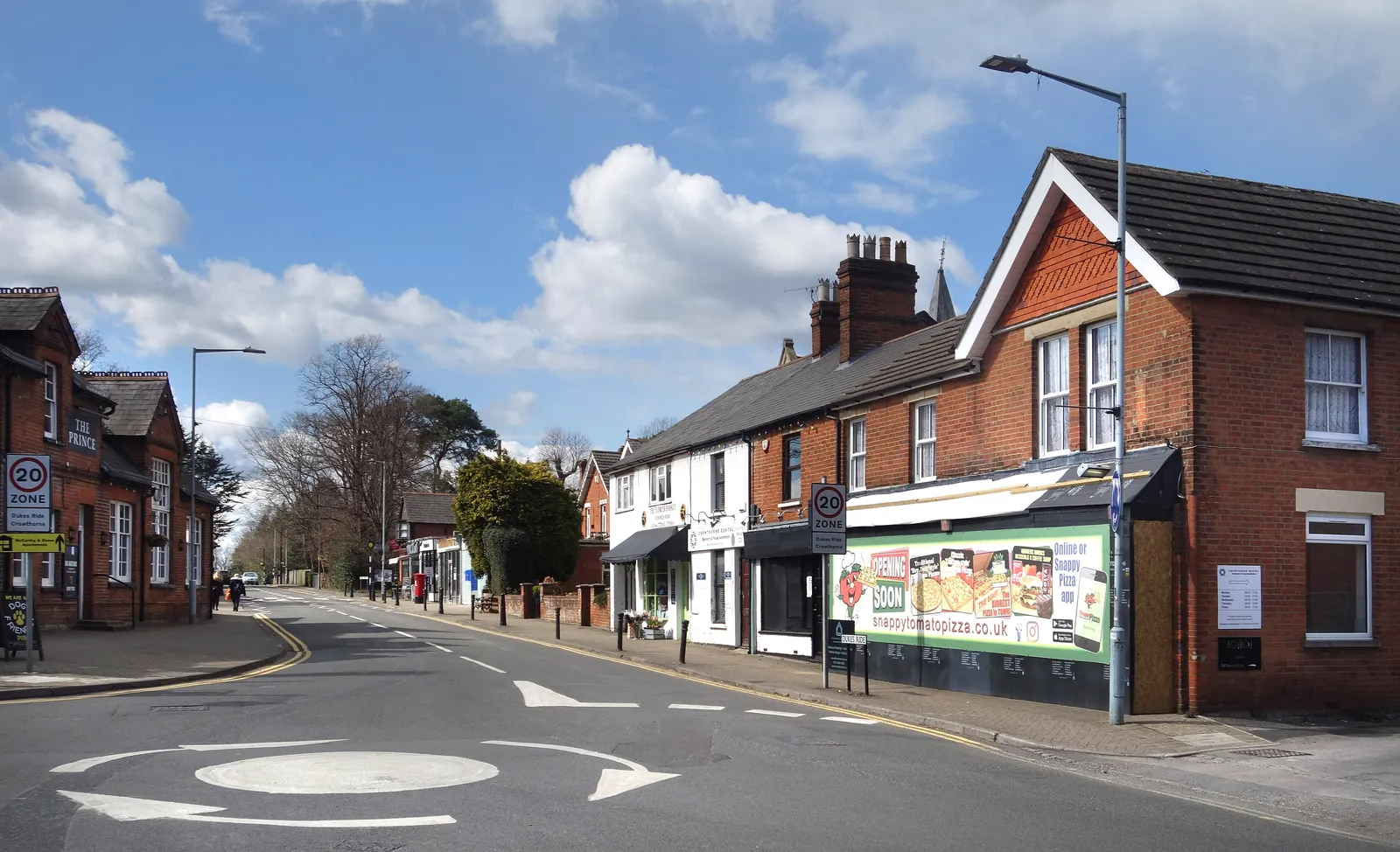
Crowthorne is in the area of Bracknell Forest Council. It is a heathland settlement on the southern edge of Bracknell Forest, known for Wellington College, quite unlike the planned new town of Bracknell or the Blackwater valley town of Sandhurst. The Crowthorne Conservation Area and the Wellington College Bog SSSI are the official features that shape protected species work here. Bracknell Forest Council is also the Lead Local Flood Authority. There is no confirmed 2027 successor council for Berkshire.
In Crowthorne, including around the Crowthorne Conservation Area and at Wellington College Bog SSSI, the same adopted local plan policies apply. Bracknell Forest Council assesses ecology and protected species under Policy LP53 of the Bracknell Forest Local Plan. Policy LP53 says biodiversity will be protected and enhanced, the mitigation hierarchy must be applied, a minimum of 10 per cent biodiversity net gain will be required, and suitable ecological information must be provided before determination. Confirm the current validation requirements with the council before submitting.
Local plan: Bracknell Forest Local Plan (The Bracknell Forest Local Plan, adopted on 19 March 2024, is the statutory development plan as of 15 November 2026 and looks to 2037.)
LP53: Biodiversity
Policy LP53 (Biodiversity) says biodiversity will be protected and enhanced. Development must apply the mitigation hierarchy of avoidance, mitigation and compensation. A minimum of 10 per cent biodiversity net gain will be required. Suitable ecological information must be provided before an application is determined. The 10 per cent figure restates the statutory minimum and is not a higher than statutory standard.
LP57: Sustainable Drainage Systems (SuDs)
Policy LP57 (Sustainable Drainage Systems (SuDs)) says major development, and development in flood-risk areas identified in the Strategic Flood Risk Assessment, must incorporate sustainable drainage systems (SuDS).
General guidance for protected species survey, not formal advice for your site.
Bracknell Forest Council. Bracknell Forest Council is also the Lead Local Flood Authority. There is no confirmed 2027 successor council for Berkshire.
Protected species survey work in Crowthorne often follows a preliminary appraisal where a site could affect habitats in the Crowthorne Conservation Area or at Wellington College Bog SSSI. Confirm the current validation requirements with the council.
Policy LP53 says biodiversity will be protected and enhanced, the mitigation hierarchy must be applied, a minimum of 10 per cent biodiversity net gain will be required, and suitable ecological information must be provided before determination. Confirm the current validation requirements with the council.