Featured partner
Recommended for Dartford

ROAVR Group
Tree, ecology, flood risk and topographical surveys for planning applications.
4.9 Google rating
Get a quote
Local experts.
Featured partner
Recommended for Dartford
Tree, ecology, flood risk and topographical surveys for planning applications.
4.9 Google rating
Local experts.
Environmental and ecology consultancy with a London office at Holyrood Street, near…
London environmental consultancy based at Marshalsea Road, Southwark, formerly trading…
London-based ecological consultancy in Muswell Hill.
Environmental consultancy founded in 2004, with its head office on the Surrey Research…
Older buildings in the Dartford Town Centre Conservation Area, and riverside trees and structures along the River Darent and the River Thames, are typical starting points for a bat survey in Dartford. The local planning authority is Dartford Borough Council. Policy M14 of the Dartford Plan to 2037, adopted on 22 April 2024, resists harm to priority species and ecological pathways. A preliminary appraisal should establish whether emergence, re-entry or activity surveys are needed on the site, including any Metropolitan Green Belt tree lines around the town.
Local planning authority: Dartford Borough Council
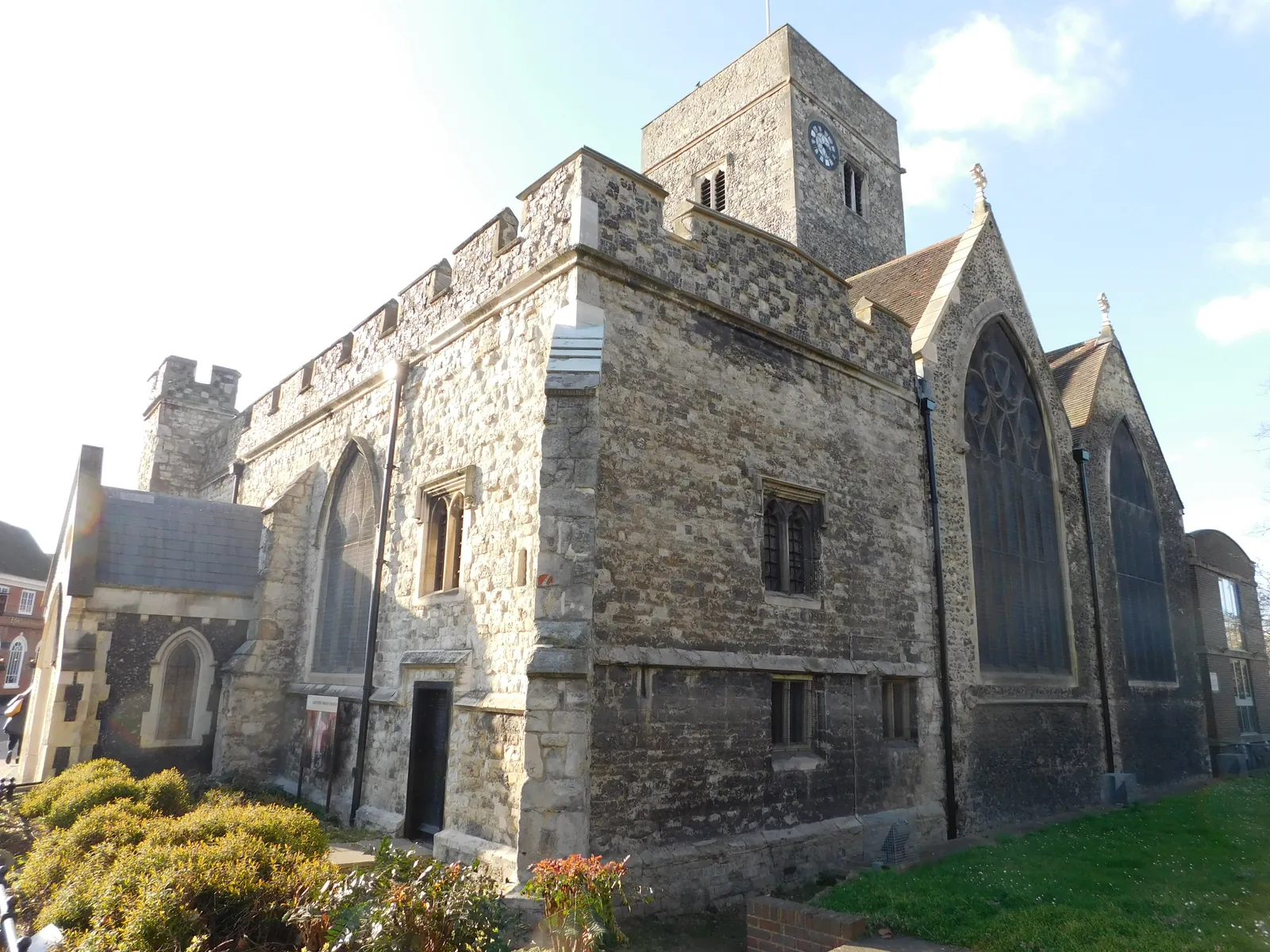
The River Darent through Central Dartford and the River Thames corridor offer commuting and foraging habitat. Older fabric in the Dartford Town Centre Conservation Area may support roosts. Metropolitan Green Belt tree lines on the edge of town may also be relevant. Surveys should follow current good practice and be coordinated with any tree survey.
Dartford Borough Council assesses effects on bats as protected and priority species under Policy M14 of the Dartford Plan 2024 to 2037, adopted on 22 April 2024. Confirm the current validation requirements with the council before submitting.
Local plan: The Dartford Plan 2024 to 2037 (Adopted on 22 April 2024 and still in force as of 13 November 2026.)
M14: Biodiversity and Landscape
Resists development on sites designated for biodiversity unless it is clearly demonstrated that biodiversity value will not be adversely affected. All applicable developments must deliver at least 10 per cent biodiversity net gain, measured with Defra's latest metric, with habitats secured for at least 30 years. Residential development within 6 km of the North Kent Special Protection Areas and Ramsar sites, and larger schemes of more than 15 dwellings between 6 km and 10 km, is subject to Habitats Regulations assessment and mitigation. Existing trees, hedgerows and landscape features should be retained wherever possible, with native replacement where removal is justified.
General guidance for bat survey, not formal advice for your site.
Dartford Borough Council is the local planning authority.
Where buildings, mature trees or commuting habitat could be affected, Policy M14 and protected-species law make a bat survey likely. Confirm the current validation requirements with the council.
They can. The River Darent, the River Thames corridor and older buildings in the Dartford Town Centre Conservation Area may support roosts or commuting routes. Policy M14 applies.
No other published town guides for this survey in the council area yet.