Featured partner
Recommended for Epsom

ROAVR Group
Tree, ecology, flood risk and topographical surveys for planning applications.
4.9 Google rating
Get a quote
Local experts.
Featured partner
Recommended for Epsom
Tree, ecology, flood risk and topographical surveys for planning applications.
4.9 Google rating
Local experts.
Independent ecology consultancy with its head office in Leatherhead, Surrey.
Environmental consultancy founded in 2004, with its head office on the Surrey Research…
Multi-disciplinary practice founded in 1985, offering arboriculture, ecology, landscape…
Independent ecological consultancy with a Surrey office near Farnham, plus offices in…
Epsom Common and Nonsuch Park are important parts of the natural-asset setting for a biodiversity net gain assessment in Epsom. The assessment uses the statutory metric to show how a proposal will leave habitats in a measurably better state. The local planning authority is Epsom and Ewell Borough Council. Policy DM4 of the Development Management Policies Document, dated September 2015, already seeks a net benefit to the borough's biodiversity and no net loss where protected species are affected, but it does not set a percentage. These drafts apply the statutory minimum of 10 per cent under the Environment Act 2021, unless a scheme is exempt.
Local planning authority: Epsom and Ewell Borough Council
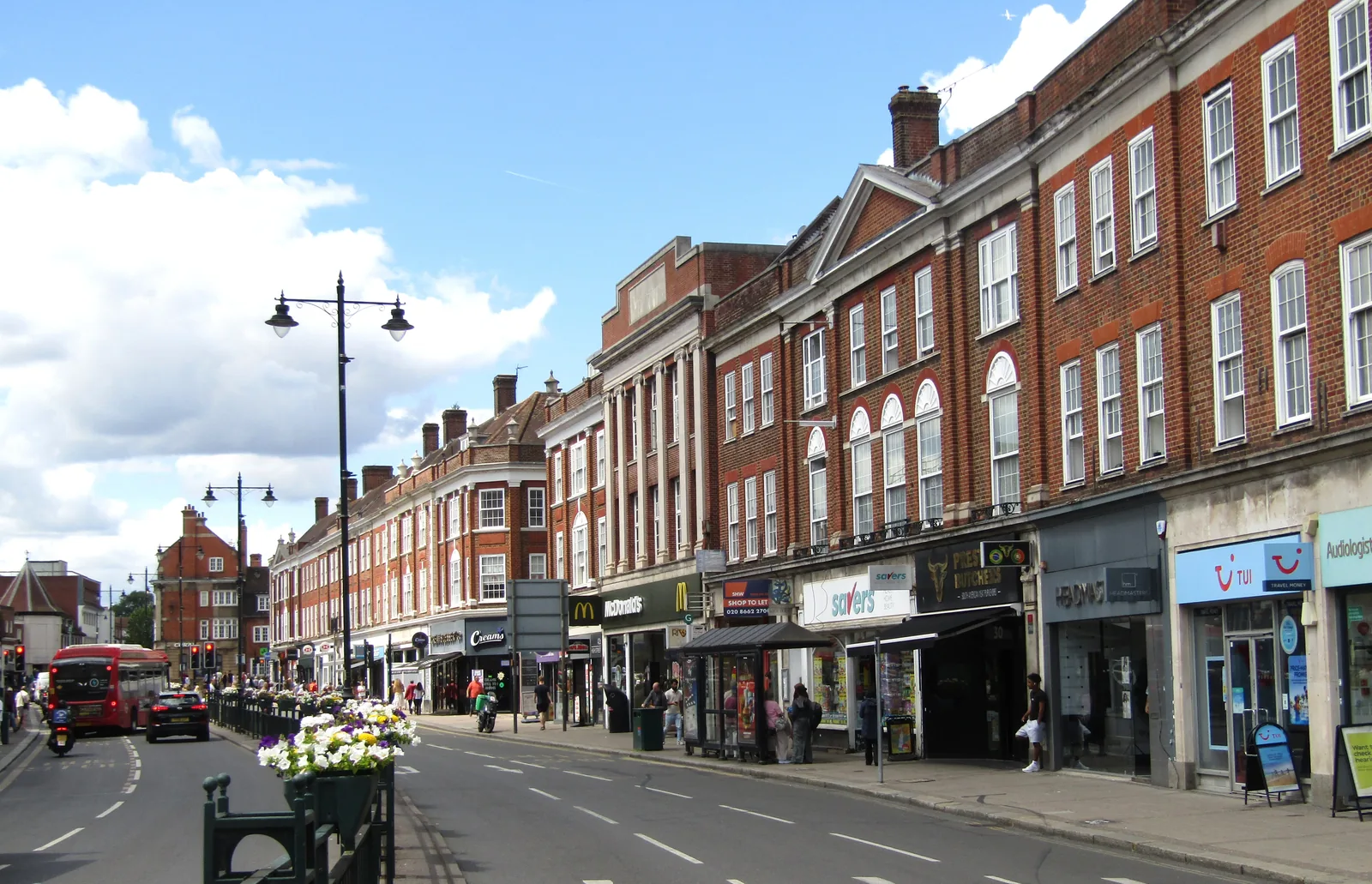
Epsom sits between Epsom Downs, Epsom Common and Nonsuch Park, with the Metropolitan Green Belt wrapping much of the edge of the town and the upper catchment of the River Hogsmill to the north. Policy DM4 protects nature conservation sites of international, national or local importance and requires an assessment of existing nature conservation assets at the application stage. The emerging Local Plan 2022-2040 included a draft 20 per cent net gain requirement on some Green Belt allocations, but that plan had not been adopted as of 13 November 2026. Statutory net gain and any later site-specific policy are separate from protected-site tests.
Epsom and Ewell Borough Council applies the statutory biodiversity net gain duty under the Environment Act 2021, which requires a minimum 10 per cent gain for qualifying development, together with Policy DM4 of the Development Management Policies Document, dated September 2015, which already sought a net benefit to biodiversity and no net loss where legally protected species are affected. The adopted policy does not set a higher percentage. The emerging Local Plan 2022-2040, submitted on 10 March 2025, included a draft 20 per cent requirement on some Green Belt allocations, but it had not been adopted as of 13 November 2026, and the NPPF of 17 August 2026 limits local standards above 10 per cent except on justified site allocations. These drafts follow the statutory 10 per cent. Confirm the current validation requirements with the council before submitting.
Local plan: Epsom and Ewell Core Strategy (2007) and Development Management Policies Document (2015) (The Core Strategy was adopted on 24 July 2007. The Development Management Policies Document is dated September 2015 and remains, with the Core Strategy, the adopted development plan. A new Local Plan 2022-2040 was submitted for examination on 10 March 2025 and had not been adopted as of 13 November 2026.)
DM4: Biodiversity and New development
Restricts development affecting nature conservation sites and habitats of international, national or local importance except in defined circumstances. Development affecting sites or buildings that support legally protected species is only permitted if appropriate mitigation and compensatory measures are agreed, with no net loss of biodiversity. Whether or not statutory protection applies, every opportunity should be taken to secure a net benefit to the borough's biodiversity, including an assessment of existing nature conservation assets at application stage. The policy does not set a percentage net gain.
General guidance for biodiversity net gain (bng), not formal advice for your site.
Epsom and Ewell Borough Council. From 1 April 2027 planning powers pass to the new East Surrey unitary council under local government reorganisation.
Yes, for qualifying applications. These drafts apply the statutory minimum of 10 per cent under the Environment Act 2021. Policy DM4 already sought a net benefit but does not set a higher percentage. Confirm the current validation requirements with the council.
The emerging Local Plan 2022-2040 included a draft higher requirement of 20 per cent on some Green Belt site allocations. As of 13 November 2026 that plan had not been adopted, and the NPPF of 17 August 2026 limits local standards above 10 per cent except on justified site allocations. These drafts follow the statutory 10 per cent duty.
No other published town guides for this survey in the council area yet.